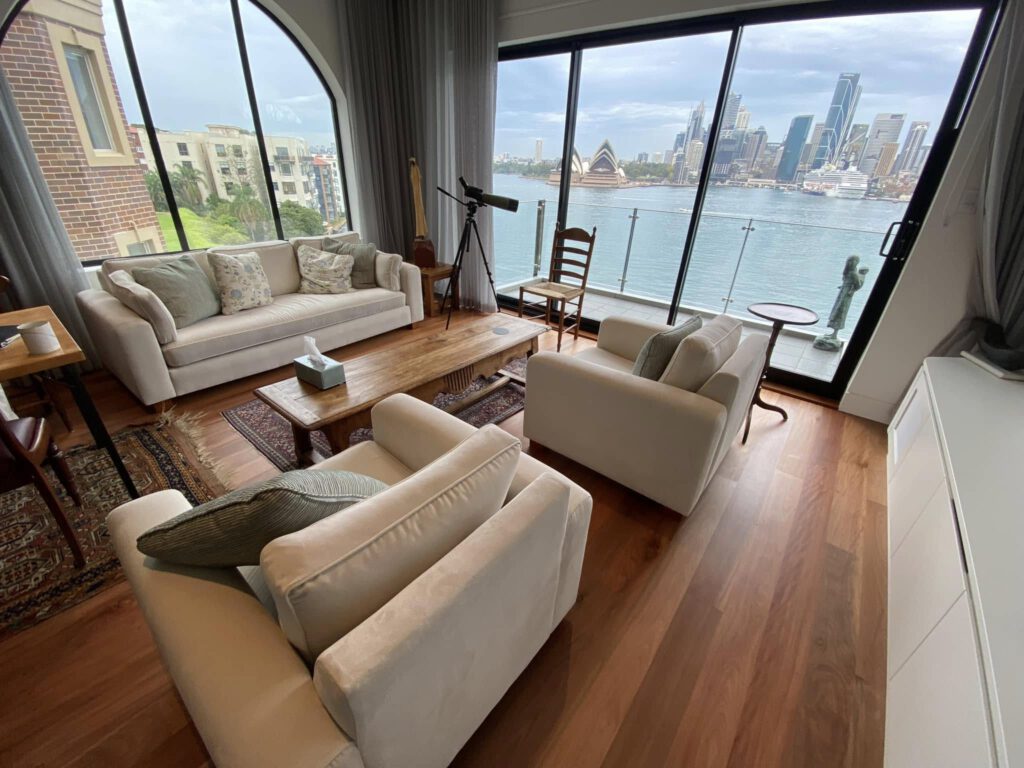
This comprehensive guide is designed for homeowners in Sydney who have observed uneven fading in their lounge furniture. If one side looks considerably lighter than the other, or if there is a distinct faded stripe across the cushions from afternoon sunlight, know that this issue is common. It often becomes more pronounced when you shift a cushion and reveal the original colour underneath. Unfortunately, once fabric has faded, it cannot be recoloured. The best course of action is to prevent further fading before it starts.
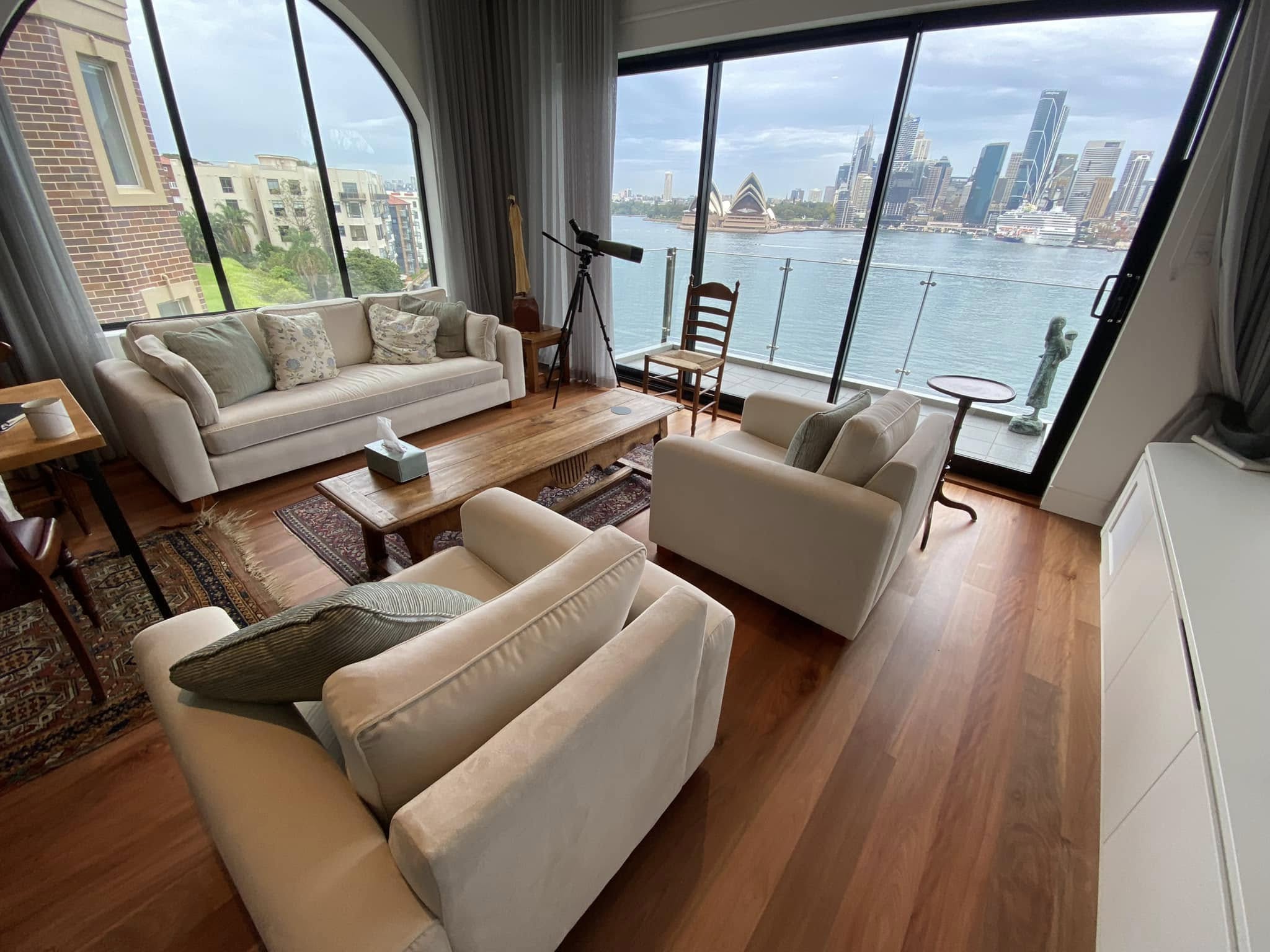
Quick Overview: Sunlight can damage both the dye and fibres in upholstery, and under Sydney’s intense UV conditions, noticeable fading can begin within just a few years, especially in areas directly exposed to sunlight. To combat this issue, consider positioning your furniture strategically, utilising window treatments, and engaging professional services that offer UV-inhibiting fabric protection. Once fabric has faded, restoring the original colour is not possible; therefore, prevention is the only effective strategy.
This article will delve into the causes of fading, the measures you can take to mitigate it, and the importance of professional protection to maintain the appearance of your furniture.
What Factors Contribute to Fabric Fading Under Sydney’s Intense Sunlight?
Quick Overview: Ultraviolet (UV) light disrupts the chemical bonds in fabric dyes and weakens the fibres, which is a significant concern in Sydney due to high UV exposure levels.
The primary cause of fading is exposure to ultraviolet light, not heat. UV rays break down the dye molecules in the fabric, leading to a washed-out and uneven look. Continuous exposure to UV light also compromises the fibres, causing thinning and fraying in the most sunlit areas. Australia experiences some of the highest UV levels globally, and lounges facing north or west in Sydney can receive several hours of direct sunlight each day. While regular window glass can block some UV rays, it does not offer complete protection, leaving lounges behind sun-drenched windows vulnerable to damage.
Which Types of Fabrics Are More Prone to Fading?
Quick Overview: Natural fibres and vibrant or dark dyes typically fade more quickly than synthetic materials and neutral tones.
Fabrics such as linen, cotton, and silk are more susceptible to fading compared to synthetic options like polyester. Bright colours, including deep blues, reds, blacks, and rich neutrals, tend to fade more rapidly due to their higher dye concentration, making any changes more apparent. Fabrics with a pile, like velvet, may also appear “faded” even if the dye remains intact, simply due to how the pile reflects light. If your lounge features natural fibres in bold colours and is located in a sunlit area, it faces an increased risk of fading.
Practical Strategies to Protect Your Furniture at Home
Quick Overview: Regularly rotate cushions, diffuse sunlight, and minimise direct exposure to sunlight whenever feasible.
Regularly Rotate and Flip Cushions. If sunlight hits only one area, frequently rotating seat and back cushions helps distribute exposure evenly, preventing the formation of bleached patches.
Use Sheer Curtains, Blinds, or Drapes During Peak Sunlight Hours. Lightweight sheer curtains can significantly reduce UV exposure during the sun’s most intense hours. Closing blinds on the sunniest side when you are away can provide substantial long-term protection.
Consider Installing UV Window Film. High-quality window film can block a significant portion of UV rays while still allowing natural light to enter, making it a worthwhile investment for rooms with valuable lounges or rugs.
Reposition the Lounge if Possible. Moving your lounge just a short distance away from direct sunlight can lead to a noticeable improvement.
Why Choose Professional UV Fabric Protection?
Quick Overview: Professional fabric protection treatments introduce UV inhibitors and create a barrier that slows fading while also guarding against spills.
This is where our expertise comes into play. A professional fabric protection treatment serves two essential functions: it creates a stain-resistant barrier and incorporates UV inhibitors that help slow down dye degradation caused by sunlight. While no fabric can be completely sun-proof, treatment can extend the lifespan of colour and maintain its vibrancy for a longer period. We apply the treatment evenly across the entire piece, ensuring comprehensive protection, similar to the services we provide for retailers such as Freedom, Lounges Plus, and Strictly Comfort, where fabrics are consistently exposed to bright lights.
This process significantly differs from a store-bought spray. For a detailed comparison, refer to our article on Scotchgard versus professional fabric protection.
Our fabric protection services start at $44 per seat and yield the best results when applied to new or freshly cleaned fabrics.
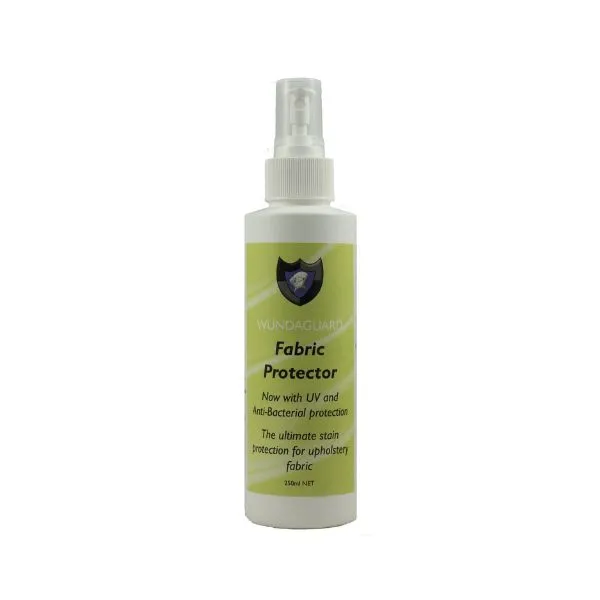
We also offer a stain protection formula for ongoing upholstery maintenance. You can purchase it here: Fabric Protection 250ml and Fabric Protection 1 Litre.
What Steps to Take If Fading Has Already Occurred?
Quick Overview: Once fabric has faded, it cannot be re-dyed to restore its original colour; focus on protecting what remains and consider preventive measures for future purchases.
It’s crucial to understand that once UV light has broken down the dye, the original colour cannot be restored through cleaning or treatment. If fading has begun, the best approach is to balance exposure by rotating cushions and blocking sunlight while protecting the existing piece to prevent further deterioration. When acquiring a new lounge, be sure to apply treatment from day one. Prevention is far more cost-effective than replacing a faded three-seater.
Addressing Common Questions About Fabric Fading
Can You Prevent a Lounge from Fading in the Sun?
You can significantly reduce fading, but no fabric can be made entirely sun-proof. The most effective strategy combines keeping direct sunlight off the fabric (using sheers, blinds, UV window film, and rotating cushions) along with a professional fabric protection treatment that incorporates UV inhibitors. This approach can noticeably prolong the vibrancy of your upholstery in sunny Sydney conditions. For tailored advice regarding your specific fabric and room, feel free to reach out to us.
How Long Does It Take for a Couch to Show Signs of Fading in Sydney?
The timeline varies based on the type of fabric, its colour, and its exposure. In a north or west-facing room that receives hours of direct sunlight, noticeable fading may occur within two to three years, particularly with natural fibres in bold colours. Synthetic materials in neutral shades generally endure longer. Fading is gradual, often becoming apparent only when a cushion is moved, revealing the original colour beneath.
Can Faded Upholstery Be Restored to Its Original Colour?
No. Once UV light has damaged the dye, the colour cannot be restored through cleaning or treatment. This underscores the importance of preventive measures — protecting and positioning the lounge correctly before fading occurs is the only effective solution. If your furniture has started to fade, we can assist in protecting it moving forward and help you prevent it with your next purchase.
Does Fabric Protection Safeguard Against Both Sun Damage and Stains?
A high-quality professional fabric protection treatment addresses both concerns — it forms a stain-resistant barrier while incorporating UV inhibitors that help slow fading. The treatment is most effective when applied to new or freshly cleaned fabrics, ensuring even coverage across the entire piece. Our fabric protection services start from $44 per seat. For more information, contact us at 1300 360 824 to discuss your lounge.
Key Strategies for Safeguarding Your Lounge from Fading
The sun in Sydney can be brutal on furniture, and once fabric has faded, revitalisation is impossible. To maintain the appearance of your lounge, minimise direct sunlight, balance exposure, and invest in early protection — this strategy ensures your lounge continues to look as pristine as it did on the day it was delivered. For expert advice on the best protection methods for your furniture, contact us at <a href=”https://writebuff.com/understanding-w-s-w-s-and-x-tags-on-your-lounge/”>1300 360 824</a>.
Original Article First Published At: Stop Your Lounge Fading: UV-Fade Prevention for Sydney Homes
The Article: Uv-Fade Prevention for Sydney Homes: Protect Your Lounge first appeared on https://writebuff.com
The Article Uv-Fade Prevention: Safeguard Your Sydney Lounge Was Found On https://limitsofstrategy.com
References:
Https://limitsofstrategy.com/uv-fade-prevention-safeguard-your-sydney-lounge/