Essential Ingredients for Crafting Authentic Iranian Ghormeh Sabzi Herb Stew
Selecting Fresh, Vibrant Produce for Optimal Flavour
Choosing high-quality, fresh produce is crucial for creating a Ghormeh Sabzi that bursts with flavour. Seek out vibrant herbs such as parsley, coriander, and fenugreek, paired with firm vegetables like onions and tomatoes. The freshness of these ingredients provides a solid foundation for the stew, delivering a rich taste and inviting aroma. When selecting herbs, opt for bright green leaves that show no signs of wilting or browning, as these indicate peak freshness. The quality of your ingredients significantly enhances the overall enjoyment of your dish, elevating each serving.
Be mindful of seasonality when choosing your ingredients. Using seasonal produce not only boosts flavour but also supports local farmers and lessens your environmental impact. Fresh, aromatic herbs are essential in defining the stew’s character, creating a dish that is both nourishing and delightful to the senses. By prioritising high-quality produce, you establish a strong base for a memorable culinary experience.
Feel free to experiment with various herbs and vegetables based on what is available. This flexibility allows you to tailor the stew to your personal preferences while ensuring that each variation remains unique and gratifying. Strive for a harmonious blend of flavours, textures, and aromas that characterise this beloved traditional dish.
Choosing the Ideal Protein for Your Ghormeh Sabzi
For protein in Ghormeh Sabzi, tender cuts of lamb or beef are optimal choices. These meats bring depth and richness, enhancing the herbal base of the stew. Cuts such as lamb shanks or beef chuck are particularly effective, as they cook evenly and retain moisture. These selections become tender during slow cooking, enriching the overall enjoyment of family meals.
To traditional meats, consider alternative protein sources like chicken or plant-based options such as chickpeas and lentils. These choices cater to diverse dietary preferences while ensuring a hearty and fulfilling stew. Ensure that any protein you choose is of the highest quality, as this greatly impacts the flavour and texture of the final dish.
The cooking method is crucial in how the protein interacts with other ingredients. Browning the meat before adding it to the stew creates a rich, layered flavour that enhances the entire dish. This initial step is critical to achieving the depth of taste that characterises a well-crafted Ghormeh Sabzi.
Achieving a Perfect Balance of Flavours in Your Stew
Striking a delightful balance between tangy and savoury notes is vital for crafting a memorable Ghormeh Sabzi. The interplay of flavours can elevate the dish, making it enjoyable for a wide audience. Here are some key advantages of mastering flavour balance in this stew:
- Enhances overall taste and satisfaction
- Creates a complex flavour profile
- Facilitates personalisation based on individual preferences
- Prevents any single ingredient from dominating the flavour
Experiment with the ratios of herbs, spices, and protein to discover the ideal balance. Start by adding small amounts of sour components like dried limes or lemon juice, gradually adjusting to suit your palate. This careful approach ensures that you do not overwhelm the subtle herbal notes that define the dish.
Regularly taste and season throughout the cooking process. Sampling at different stages helps refine the balance, allowing you to make adjustments that enhance the dish’s overall appeal. With practice, you will develop an intuitive understanding of how to achieve that perfect blend of flavours that makes Ghormeh Sabzi a cherished classic.
Expert Tips for Perfecting Authentic Iranian Ghormeh Sabzi Herb Stew
Selecting the Right Beans for Texture and Taste
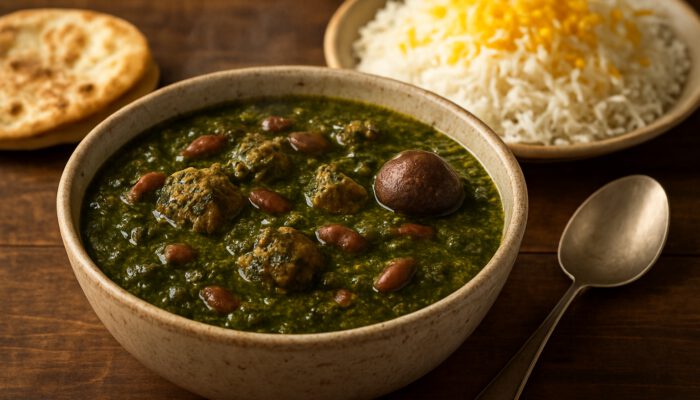
Beans are an essential part of Ghormeh Sabzi, providing necessary creaminess and protein that round out the stew. Varieties like kidney beans or black-eyed peas are common, each contributing its unique texture and flavour to the dish. Soaking the beans overnight is highly recommended, as this not only improves digestibility but also aids in achieving optimal tenderness during simmering.
Soaking softens the beans and reduces cooking time, allowing them to blend seamlessly with the other ingredients. This step ensures that the beans cook evenly and absorb the rich flavours of the stew. If time is short, canned beans can serve as a convenient alternative; just be sure to rinse them thoroughly before adding them to the pot to eliminate excess sodium.
Incorporating beans into your Ghormeh Sabzi boosts the dish’s nutritional profile and provides a satisfying contrast to the tender meat and vibrant herbs. This combination results in a hearty meal that is both comforting and nourishing, making it a staple in many households.
Effective Drying Techniques for Preserving Herbs
Proper drying methods are essential for maintaining the potency of the herbs used in Ghormeh Sabzi, allowing you to enjoy their flavours long after harvest. To dry herbs effectively, start by rinsing them gently to remove any dirt or contaminants. Pat them dry with a clean towel and discard any damaged leaves.
Next, form small bundles of herbs and hang them upside down in a cool, dark, and well-ventilated area. This technique allows moisture to escape while preserving the essential oils and vibrant colour of the herbs. Depending on humidity and airflow, the drying process may take several days to a week. Check regularly to ensure even drying.
Once fully dried, store the herbs in airtight containers in a cool, dark place to maintain their flavour and potency. Properly dried herbs can last for months, making them a valuable addition to your pantry. By mastering these drying techniques, you ensure that your Ghormeh Sabzi retains its signature taste and aroma, regardless of the season.
Aiming for the Ideal Consistency in Your Stew
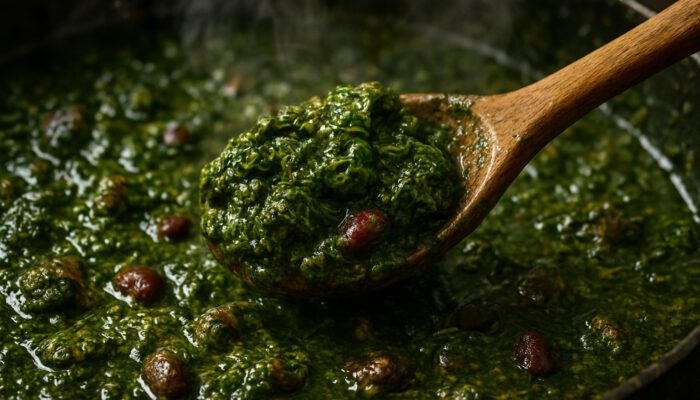
Monitoring liquid reduction is crucial for achieving the ideal consistency in your Ghormeh Sabzi. A well-balanced stew should have a thick yet pourable texture that can coat the rice or bread it accompanies. Thoughtful heat adjustments are key to consistently achieving this preferred texture.
Begin by bringing the stew to a gentle boil, then reduce the heat to maintain a low simmer. This gradual cooking process allows the flavours to meld while preventing the stew from becoming too thick or too thin. If your stew becomes too thick, simply add a splash of water or broth to loosen it. Conversely, if it is too thin, slightly increase the heat to promote evaporation.
Regular tasting and seasoning adjustments during cooking are vital. This ongoing assessment helps ensure that the flavours remain balanced and that the stew achieves the desired thickness. With experience, you will develop a keen sense for managing consistency, resulting in a Ghormeh Sabzi that is both comforting and satisfying.
How Do Traditional Cooking Techniques Enhance Flavour in Ghormeh Sabzi?
Building Flavour Through Layering Aromatics
Creating layers through the sequential addition of ingredients is essential for developing complex flavour profiles in Ghormeh Sabzi. This method allows each component to release its unique qualities at the most opportune moments during cooking, resulting in a well-rounded dish. Start by sautéing onions until they are translucent, then add garlic and ginger to establish a fragrant base.
Once the aromatics are established, gradually introduce the herbs and spices. This staggered approach ensures that the flavours are released in harmony, allowing the stew to evolve as it cooks. Each layer contributes to the overall complexity, creating a dish that is rich and satisfying.
As the stew simmers, the flavours meld and deepen. This gradual infusion enhances the dish’s overall depth, ensuring that each mouthful is a delightful experience. By thoughtfully layering your ingredients, you elevate your Ghormeh Sabzi from a simple stew to a culinary masterpiece.
What Are the Most Effective Adjustments for Seasoning?
Fine-tuning salt and acid levels is essential for enhancing the flavours in Ghormeh Sabzi while avoiding dullness or excessive sharpness. Start with a modest amount of salt, tasting as you go, to ensure that the seasoning enhances rather than overwhelms the dish.
Incorporating acidic elements like dried limes or lemon juice can brighten the stew and balance the richness of the meat and beans. Add these ingredients gradually, testing small portions during the cooking process to refine the balance precisely to your taste.
Consider the overall flavour profile when adjusting seasonings. If the stew seems to lack depth, a touch of sugar can counterbalance acidity, creating a more rounded taste. By carefully adjusting the seasoning, you can achieve a Ghormeh Sabzi that is perfectly balanced and rich in flavour.
Embracing Slow Cooking to Develop Rich Flavours
Gentle simmering over time is key to melding flavours into a cohesive whole that tastes exceptional in Ghormeh Sabzi. Slow cooking allows the various ingredients to interact, creating a rich and complex flavour profile. Maintaining low heat throughout the cooking process is essential to avoid breaking down delicate components unnecessarily.
Bring the stew to a boil, then reduce the heat to a low simmer. This method allows the flavours to develop gradually, resulting in a comforting and satisfying dish. The extended cooking time also tenderises the meat, ensuring it falls apart easily with a fork, while the beans absorb the surrounding flavours.
Regularly monitor the stew while it cooks. Stir gently and check for consistency, making adjustments as necessary. By embracing slow cooking, you unlock the full potential of your ingredients, resulting in a Ghormeh Sabzi that is truly exceptional.
Research-Backed Benefits of Iranian Ghormeh Sabzi Herb Stew
Demonstrating Nutrient Retention Through Cooking Methods
Cooking techniques that minimise nutrient loss are vital for promoting better health outcomes. Research indicates that a brief initial searing followed by covered simmering effectively preserves vitamins and minerals in ingredients like herbs and vegetables. This technique allows for optimal flavour development while maintaining the nutritional integrity of the dish.
For example, searing meat at high temperatures enhances flavour through the Maillard reaction, while covering the pot during simmering helps retain moisture and nutrients. This two-step approach ensures that your Ghormeh Sabzi is not only delicious but also rich in essential nutrients.
Utilising fresh herbs and vegetables significantly boosts the stew’s overall health benefits. Their high vitamin and mineral content, combined with the slow cooking method, guarantees a nourishing meal that supports your well-being. By prioritising nutrient retention, you can create a Ghormeh Sabzi that is as healthful as it is flavourful.
Revealing the Antioxidant Properties of Ghormeh Sabzi
The herbal components in Ghormeh Sabzi provide significant antioxidants that contribute to wellness when consumed regularly. Ingredients like parsley and coriander are rich in antioxidants, playing a crucial role in combating oxidative stress and supporting overall health. Studies confirm that these elements remain stable under controlled heating conditions, making them effective even after cooking.
Including a variety of herbs not only enhances the stew’s flavour but also improves its nutritional profile. Regular consumption of antioxidant-rich foods has been linked to numerous health benefits, including reduced inflammation and improved heart health. By enjoying Ghormeh Sabzi as part of a balanced diet, you can harness these benefits while indulging in a delicious meal.
It is important to recognise the cumulative effects of these antioxidants over time. Consistently including dishes like Ghormeh Sabzi in your diet contributes to long-term health, making it a wise choice for those seeking to enhance their overall well-being.
What Are the Recommended Portion Sizes for Daily Intake?
Ideal serving sizes for Ghormeh Sabzi should align with nutritional guidelines for balanced diets. A standard portion for a hearty stew is approximately one cup, providing a satisfying serving of protein, vegetables, and healthy fats. Adjust portion sizes based on individual activity levels and dietary needs to optimise energy intake without excess calories.
For those with a more active lifestyle, consider increasing the portion to include additional protein sources or serving it alongside rice or bread. This can help meet higher energy requirements while still enjoying the rich flavours of the stew.
Monitoring portion sizes is crucial for maintaining a balanced diet. By being mindful of your servings, you can enjoy Ghormeh Sabzi as a nourishing component of your daily meals without overindulging. This approach ensures that you benefit from the stew while aligning with your health goals.
Essential Cooking Techniques for Perfect Ghormeh Sabzi
The Significance of Sautéing Base Ingredients for Enhanced Flavour
The initial high-heat treatment of onions and herbs is essential for unlocking essential oils that create deeper flavours in Ghormeh Sabzi. Begin by heating oil in a pot, then add finely chopped onions, stirring until they become translucent. This process enhances the flavour while establishing a solid foundation for the stew.
Once the onions are ready, incorporate garlic and ginger into the pot, allowing them to sauté briefly. This step releases their aromatic compounds, adding another layer of flavour to the dish. Stir continuously to ensure even exposure and avoid burning, as burnt ingredients can impart an undesirable bitterness to the stew.
After sautéing the base ingredients, gradually add the herbs and spices. This method allows each ingredient to release its unique qualities, resulting in a well-rounded flavour profile. By mastering the sautéing technique, you set the stage for a delicious Ghormeh Sabzi that showcases the best of its ingredients.
Managing Simmering Time for Optimal Results
Precise timing during the low-heat phase is essential to ensure that meat becomes fork-tender while herbs retain their integrity in Ghormeh Sabzi. Start by bringing the stew to a gentle boil, then reduce the heat to maintain a steady simmer. This method allows the flavours to meld and develop without compromising the integrity of the ingredients.
Monitor the cooking time carefully, adjusting as necessary based on the type of meat and other components used. Typically, lamb or beef should simmer for at least one to two hours, allowing the collagen to break down and create a rich, velvety texture. Regularly check for tenderness, ensuring that the meat is cooked through without drying out.
If you notice that the liquid is reducing too quickly, consider adding a splash of water or broth to maintain the desired consistency. This ongoing assessment is crucial for achieving the perfect balance of flavours and textures in your Ghormeh Sabzi, resulting in a dish that is both comforting and satisfying.
What Cooling Techniques Preserve Quality in Leftovers?
Allowing a gradual temperature drop after cooking is essential for maintaining texture changes in leftovers. Once your Ghormeh Sabzi is finished cooking, remove it from the heat and let it cool slightly before transferring it to storage containers. This step prevents condensation from forming, which can lead to a watery stew upon reheating.
Store the cooled stew in airtight containers to maintain moisture and flavour integrity. Refrigerating it ensures safe storage while allowing the flavours to continue developing over time. Properly stored, Ghormeh Sabzi can last for several days, making it an excellent option for meal preparation.
When reheating, do so gently on the stove or in the microwave, adding a splash of water if necessary to restore moisture. This careful approach ensures that the stew retains its original quality, allowing you to enjoy the rich flavours and satisfying textures long after it has been prepared.
Strategies for Perfecting Iranian Ghormeh Sabzi Herb Stew
Identifying Key Benefits of the Ghormeh Sabzi Recipe
Strategies for preparing Ghormeh Sabzi emphasise uniform herb chopping sizes for consistent flavour release in every bite. This method supports reliable outcomes across varying batch sizes. Here are some key benefits to keep in mind:
- Enhances flavour consistency throughout the dish
- Ensures even cooking and texture
- Allows for better control over seasoning adjustments
- Facilitates a more appealing presentation
By focusing on uniform chopping, you create a harmonious blend of flavours that elevate the overall dining experience. This attention to detail guarantees that every bite is as satisfying as the last, making your Ghormeh Sabzi a standout dish.
Consider preparing larger batches to save time on busy days. By making a large pot of Ghormeh Sabzi, you can enjoy leftovers that maintain their flavour and quality, providing a comforting meal that is easy to reheat. This strategy simplifies meal planning and allows you to share the dish with family and friends.
Expert Advice on Effective Storage Solutions
Airtight containers stored in cool environments are vital for extending the freshness of prepared portions of Ghormeh Sabzi. After cooking, allow the stew to cool slightly before transferring it to these containers. This step helps prevent moisture loss and preserves the integrity of the flavours.
Labeling containers with dates is a practical strategy to track usability and minimise waste over time. Knowing when the stew was made ensures that you consume it while it is still at its best. Properly stored, Ghormeh Sabzi can last for several days in the refrigerator, making it a convenient option for meal prep.
For longer storage, consider freezing portions of the stew. Ghormeh Sabzi freezes well, allowing you to enjoy its rich flavours even weeks after preparation. When reheating frozen portions, do so gradually to maintain quality, ensuring that each serving tastes just as delicious as the day it was made.
Refining Your Presentation Style for Enhanced Appeal
Neat plating with simple garnishes makes Ghormeh Sabzi more inviting for everyday dining. Focus on colour contrast to highlight the vibrant green elements of the herbs against the rich, dark stew. Using a shallow bowl or plate allows for an attractive presentation while providing ample space for accompanying sides.
Consider garnishing with fresh herbs or a dollop of yogurt to elevate the visual appeal and add a touch of creaminess. These simple additions enhance the dish, making it more enticing for guests and family alike. Presentation plays a significant role in the overall dining experience, so take the time to plate your Ghormeh Sabzi thoughtfully.
Serving the stew with a side of fluffy rice or warm flatbread beautifully complements the flavours and textures. These neutral sides empower the herbal notes to shine while providing a satisfying vehicle for soaking up the delicious sauce. By refining your presentation style, you create an inviting atmosphere that enhances the enjoyment of this traditional dish.
Strategies for Sourcing Quality Ingredients
Selecting premium quality herbs and meats is fundamental for achieving authentic results in Ghormeh Sabzi. Trusted suppliers guarantee freshness, significantly enhancing the overall flavour profiles during extended cooking periods. When sourcing ingredients, consider local farmers’ markets or specialty grocers that prioritise quality over quantity.
Incorporating fresh, seasonal produce not only supports local agriculture but also ensures that your stew is bursting with flavour. Pay attention to the origin of your herbs and meats, as this can impact the overall quality of the dish. Fresh herbs should be vibrant and aromatic, while meats should be well-marbled and free from off-putting odours.
Building relationships with local suppliers can provide insights into the best seasonal ingredients and cooking techniques. By prioritising quality sourcing methods, you lay the groundwork for a Ghormeh Sabzi that is not only delicious but also reflects the rich culinary heritage of this beloved dish.
Why Are Fresh Herbs Crucial in Ghormeh Sabzi?
Maximising the Aromatic Impact of Fresh Herbs
Fresh herbs release superior scents compared to dried alternatives during cooking, making them indispensable for a flavourful Ghormeh Sabzi. Herbs like parsley, coriander, and fenugreek are vital for achieving the dish’s signature aroma. Harvest or purchase these herbs close to preparation time to capture their peak intensity, ensuring that your stew is fragrant and inviting.
The aromatic impact of fresh herbs is significant. They contribute not only to the flavour but also to the overall sensory experience of the dish. As the herbs cook, their essential oils are released, creating a fragrant steam that fills the kitchen and heightens anticipation for the meal.
Incorporating fresh herbs at the right stages during cooking maximises their aromatic impact. Adding them towards the end of the cooking process allows their delicate flavours to shine without being overwhelmed by prolonged heat. This careful timing enhances the overall complexity of the stew, resulting in a Ghormeh Sabzi that is truly exceptional.
Effective Storage Techniques for Fresh Herbs
Wrapping fresh herbs loosely in a damp cloth is an effective method for maintaining their vitality for several days after purchase. This technique helps retain moisture while preventing wilting or discolouration. Avoid direct refrigeration exposure, as this can lead to premature deterioration of the herbs.
Storing herbs upright in a glass of water, similar to a bouquet, is another effective method. Cover the tops loosely with a plastic bag to create a humid environment, which helps prolong freshness. This approach allows the herbs to continue absorbing moisture, keeping them vibrant and aromatic for longer.
Regularly check stored herbs for any signs of spoilage, and promptly remove any damaged leaves. By employing these storage methods, you can ensure that your fresh herbs maintain their quality, allowing you to create a delicious Ghormeh Sabzi that showcases their full flavour potential.
Balancing Herb Quantities for Optimal Flavour
Using measured amounts of herbs in Ghormeh Sabzi prevents any single flavour from dominating the overall profile. Achieving the right balance is essential for creating a harmonious dish that highlights each herb’s unique qualities. When adjusting recipe sizes for different groups, scale quantities proportionally to maintain the intended flavour balance.
Start with the recommended amounts of each herb, then taste as you go. This iterative process allows you to fine-tune the flavours, ensuring that the final dish is well-rounded and satisfying. If you find that one herb is overpowering, consider adjusting the quantities of the other herbs to create a more balanced profile.
It is also important to consider the freshness of your herbs. Older herbs may have a milder flavour, so you might need to adjust the quantities accordingly. By being mindful of herb quantities, you can create a Ghormeh Sabzi that is rich in flavour and complexity, making it a standout dish at any meal.
Enhancing Nutritional Benefits with Fresh Herbs
Fresh herbs contain elevated levels of essential vitamins and antioxidants that diminish during drying processes. Adding them to Ghormeh Sabzi near the end of cooking maximises these health advantages, ensuring that you benefit from their nutritional properties. Herbs like parsley and coriander are particularly rich in vitamins A, C, and K, contributing to overall health.
Incorporating fresh herbs not only enhances the flavour of the stew but also boosts its nutritional profile. Regular consumption of dishes like Ghormeh Sabzi can support immune function and overall wellness, making it a valuable addition to your diet.
By prioritising the use of fresh herbs, you can create a Ghormeh Sabzi that is both delicious and nourishing. This approach ensures that you enjoy the full spectrum of health benefits while indulging in a comforting and satisfying meal.
Timing the Addition of Fresh Herbs Correctly
Introducing fresh herbs at specific stages during preparation is crucial for ensuring optimal flavour infusion without degradation from prolonged heat exposure. Adding delicate herbs like parsley or coriander too early can lead to a loss of their vibrant flavours, resulting in a stew that lacks depth.
To achieve the best results, add fresh herbs during the final stages of cooking. This allows their essential oils and flavours to permeate the stew without being overwhelmed by the heat. A general rule of thumb is to introduce soft herbs within the last 10-15 minutes of cooking, ensuring that they retain their aromatic qualities.
Experimenting with different timing can lead to delightful variations in flavour. By finding the perfect moment to add fresh herbs, you can enhance the overall complexity of your Ghormeh Sabzi, creating a dish that is not only delicious but also a true reflection of traditional culinary practices.
Serving Suggestions and Creative Variations
Complementary Accompaniments for Your Ghormeh Sabzi
Plain rice or flatbread pairs exceptionally well with Ghormeh Sabzi, soaking up the rich sauces without distraction. These neutral sides allow the herbal notes to remain prominent throughout the meal, enhancing the overall dining experience. Consider serving the stew over fluffy basmati rice, which provides a delightful contrast to the hearty stew.
For a more traditional presentation, serve the stew alongside warm flatbreads, such as lavash or pita. These breads are perfect for scooping up the stew, creating a satisfying and interactive dining experience. The combination of flavours and textures makes for a comforting meal that is sure to please.
Consider incorporating a side salad or pickles to add brightness and acidity to the meal. These accompaniments can help balance the richness of the stew, providing a well-rounded dining experience that highlights the flavours of Ghormeh Sabzi.
Adapting the Recipe to Meet Various Dietary Needs
Simple substitutions, such as plant-based proteins, can easily accommodate a range of dietary preferences in Ghormeh Sabzi. For those seeking vegetarian or vegan options, consider using chickpeas or lentils as a protein source. These ingredients can replace traditional meats while still delivering a hearty and satisfying stew.
When substituting proteins, ensure that the overall flavour balance of the dish remains intact. Adjust seasonings as needed to complement the different ingredients, ensuring that the unique qualities of Ghormeh Sabzi are preserved. This adaptability makes the dish accessible to a wider audience while maintaining its authenticity.
Consider offering a variety of toppings or garnishes to cater to different tastes. Options like yogurt, nuts, or fresh herbs can enhance the dish while allowing individuals to customise their servings. By being mindful of dietary needs, you can create a Ghormeh Sabzi that is both inclusive and delicious.
Efficiently Scaling Your Ghormeh Sabzi Recipe
Doubling ingredients for Ghormeh Sabzi requires proportional increases in cooking times for consistent results. When scaling up, ensure that the stew has adequate space in the pot to allow for proper simmering. This prevents overcrowding, which can lead to uneven cooking and flavour distribution.
Begin by preparing a test batch with the adjusted quantities to confirm that the cooking times remain consistent. This approach allows you to fine-tune the recipe before committing to a larger volume. Keep in mind that larger batches may require slightly longer cooking times, so monitor the stew closely to achieve the desired tenderness and flavour.
By practising efficient scaling techniques, you can confidently prepare Ghormeh Sabzi for larger gatherings or meal prep. This flexibility allows you to enjoy the rich flavours of this traditional dish while accommodating various group sizes.
Frequently Asked Questions
What is Ghormeh Sabzi?
Ghormeh Sabzi is a traditional Iranian herb stew made with a blend of fresh herbs, meat, and beans, typically served over rice. It’s celebrated for its rich flavours and aromatic qualities.
What herbs are integral to Ghormeh Sabzi?
The primary herbs featured in Ghormeh Sabzi include parsley, coriander, and fenugreek. These herbs play a significant role in shaping the stew’s distinctive flavour and aroma.
Can I prepare Ghormeh Sabzi in a vegetarian style?
Yes, Ghormeh Sabzi can be made vegetarian by substituting meat with plant-based proteins like chickpeas or lentils. This maintains the dish’s hearty quality while catering to dietary preferences.
How long does it take to cook Ghormeh Sabzi?
Cooking Ghormeh Sabzi typically takes about 2 to 3 hours, allowing the flavours to meld and the meat to become tender. Adjust cooking times based on the type of meat used.
What should I serve alongside Ghormeh Sabzi?
Ghormeh Sabzi is traditionally accompanied by plain basmati rice or flatbread, which helps soak up the rich sauce. A side salad or pickles can also complement the dish.
How do I store leftover Ghormeh Sabzi?
Store leftover Ghormeh Sabzi in airtight containers in the refrigerator for up to 3-4 days. For longer storage, consider freezing portions for later use.
What is the best method to reheat Ghormeh Sabzi?
Reheat Ghormeh Sabzi gently on the stove or in the microwave, adding a splash of water if necessary to restore moisture. This helps maintain the stew’s quality.
Can I use dried herbs instead of fresh?
While fresh herbs are preferred for their flavour, dried herbs can be used in a pinch. Adjust the quantities, as dried herbs are more concentrated.
Is Ghormeh Sabzi a healthy dish?
Ghormeh Sabzi can be a healthy choice, packed with nutrients from fresh herbs, vegetables, and protein. It’s rich in vitamins and antioxidants, making it a nourishing meal option.
How can I enhance the flavour of Ghormeh Sabzi?
To enhance the flavour, consider layering ingredients, adjusting seasoning levels, and using high-quality fresh herbs. Slow cooking also helps meld flavours for a richer taste.
Check out our Facebook page!
The post Iranian Ghormeh Sabzi Herb Stew Recipe: Quick Family Meal appeared first on https://cookinggods.com
The Article Ghormeh Sabzi: Quick and Easy Iranian Herb Stew Recipe Was Found On https://limitsofstrategy.com
References:
https://berwicktestandtag.com.au/ghormeh-sabzi-easy-recipe-for-iranian-herb-stew/