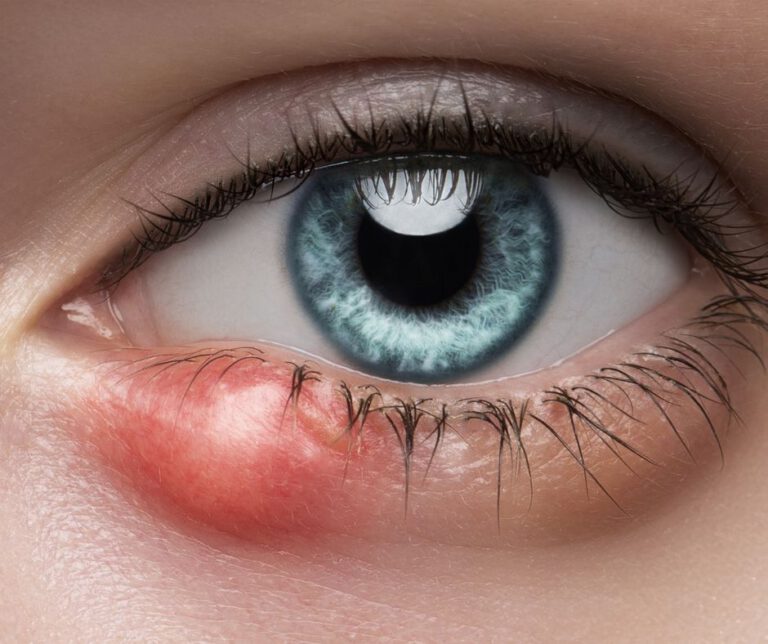
A stye, scientifically referred to as a hordeolum, presents as a small, painful swelling on the outer or inner eyelid. As outlined by healthdirect, an Australian government-funded health information service, a stye arises from a bacterial infection targeting an eyelash follicle. A white spot at the centre of the bump may indicate the presence of pus.
Fortunately, most styes resolve independently with straightforward home care methods.
What Causes the Development of an Eye Stye?
An eye stye forms when bacteria infect the follicle at the base of an eyelash. According to healthdirect, the glands within the eyelid can become clogged and subsequently infected.
Blepharitis, which is an inflammation of the eyelids, significantly increases the likelihood of developing styes, as noted by healthdirect. If you frequently suffer from styes, it is advisable to consult your optometrist or doctor to evaluate your eyelids for blepharitis or other underlying conditions.
Many individuals question whether stress can contribute to the formation of styes. Healthdirect clarifies that the primary cause is a bacterial infection of the eyelash follicle, with no established correlation to stress.
How to Recognise Stye Symptoms
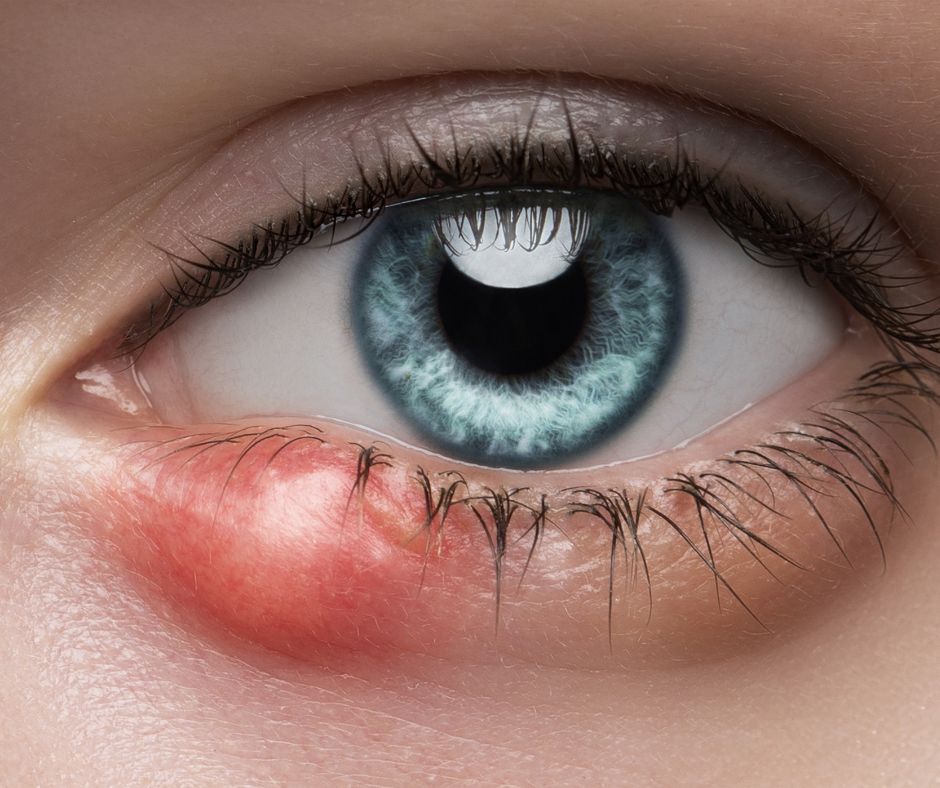
The most prominent symptom of a stye is a small, tender lump on the eyelid, which may appear discoloured due to swelling. Healthdirect indicates that a stye can cause irritation, excessive tearing, or a sensation akin to having something lodged in the eye, similar to an eyelash on the surface.
Certain symptoms require a medical assessment. Healthdirect highlights the following indicators that necessitate a consultation with your doctor:
- The stye obstructs your vision.
- The lump worsens or shows no improvement within one to two weeks despite home care.
- The lump, or multiple lumps, significantly increase in size or pain.
- A blister develops on the eyelid.
- The entire eyelid appears red, or the eye shows signs of inflammation.
- Your eye becomes sensitive to light or excessively watery.
- You experience recurrent styes shortly after one has resolved.
What is the Expected Duration of a Stye?
In most cases, a stye resolves naturally. Healthdirect notes that it may take up to six months for the lump to completely vanish. If you do not observe any improvement within one to two weeks of home care, seeking medical advice is recommended.
Effective Home Remedies for Relieving a Stye
Healthdirect suggests that applying warm compresses to the eyelid can significantly support the healing process.
How to Properly Apply a Warm Compress to a Stye
Healthdirect recommends using a clean, warm washcloth against your closed eyelid for two to five minutes at a time, up to 20 times a day. Ensure the water is comfortably warm but not hot enough to cause burns. You can gently massage the eyelid while the compress is in place.
Cleansing the Eyelid After Warm Compress Application
After using a warm compress, you may notice some discharge. Healthdirect advises gently wiping it away with a clean, warm washcloth, and then washing or discarding the washcloth or compress to prevent spreading the infection.
Why You Should Avoid Popping or Squeezing a Stye
Although it may be tempting to press on a stye, healthdirect strongly advises against touching, rubbing, or squeezing it. Squeezing can push pus into surrounding tissue, leading to further infection.
When is Medical Intervention Required for a Stye?
In some situations, a stye may necessitate more than just home care. Healthdirect explains that antibiotic ointments or oral antibiotics may be required if the skin around the stye becomes red, warm, and swollen. A doctor may also need to drain the stye with a needle if it does not resolve on its own.
Be aware of a potential complication known as cellulitis, where the infection spreads to the skin surrounding the eye. Healthdirect describes cellulitis as rare but serious, constituting a medical emergency that requires immediate attention. If the skin on your eyelid or around your eye appears red, swollen, or painful, or if you develop a fever or feel unwell, seek medical help promptly.
Proven Techniques for Preventing Styes
Healthdirect recommends the following practices to help prevent styes and minimise the risk of infection:
- Wash your hands regularly.
- Avoid touching, rubbing, or squeezing your eyes.
- Dispose of or clean your washcloth or warm compress after each use.
If you have blepharitis, effectively managing this condition can also help reduce the likelihood of styes, as healthdirect lists blepharitis among the conditions that heighten stye risk. The dry eye management page offers details on eyelid cleaning and warm compress routines that can be critical for managing dry eye at Eyes by Design.
Recommended Eyelid Care Products for Styes and Blepharitis
Eyes by Design offers a selection of eyelid care products available in its online store. The descriptions below are sourced directly from each product page, so be sure to read the full product information and the manufacturer’s instructions before use. If you have an existing eye condition or have recently undergone eye surgery, consult a health professional beforehand.
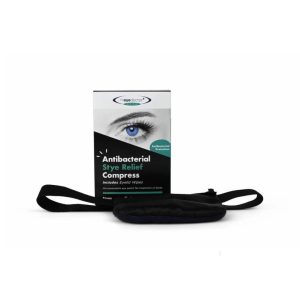
The Eye Doctor Antibacterial Stye Relief Compress: This microwavable eye patch is specifically designed for the treatment of styes, chalazions, and cysts. The manufacturer recommends heating it in the microwave for 15 to 30 seconds and applying it to the affected eye for 10 minutes. The compress is reusable for over 200 applications.
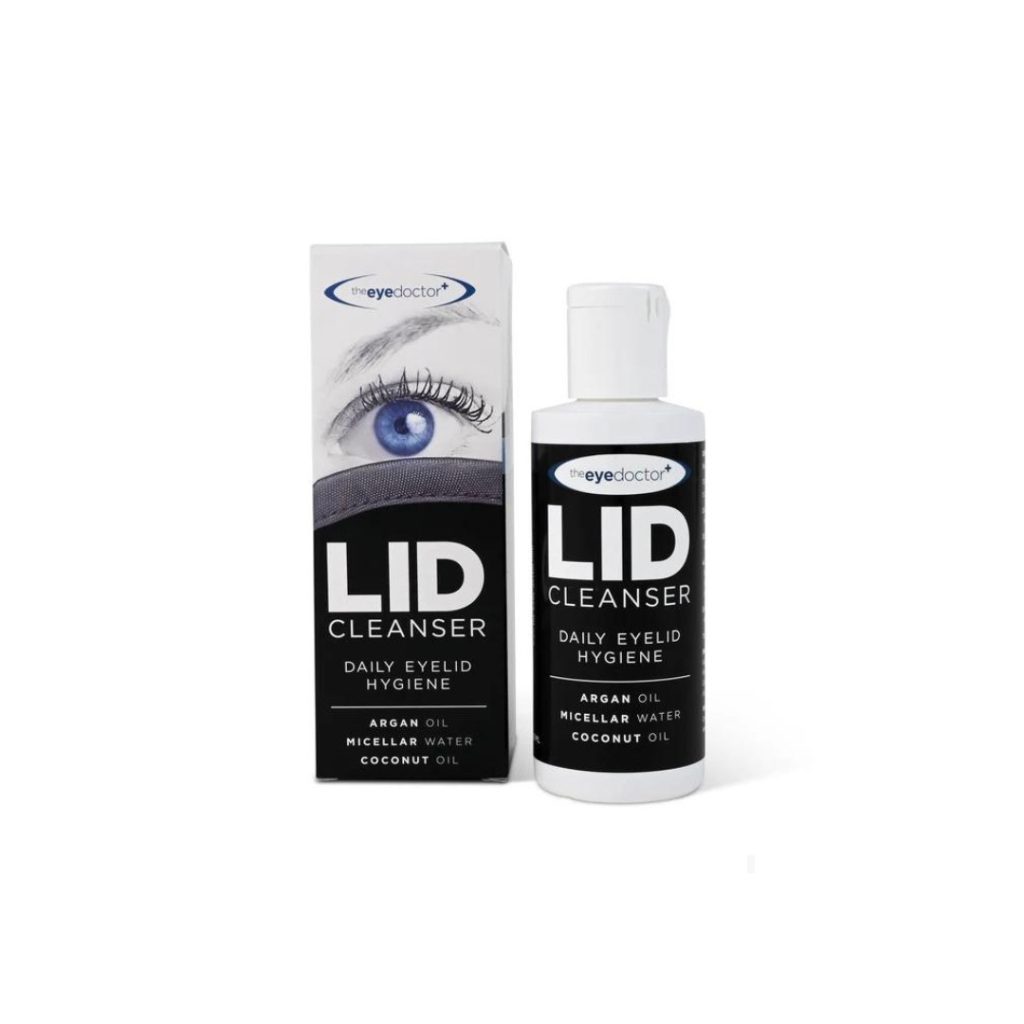
The Eye Doctor Lid Cleanser: This cleanser effectively removes dirt, debris, and makeup from the eyelids and the base of the lashes. It is applied using a cleansing pad along the eyelid margins, both morning and night.
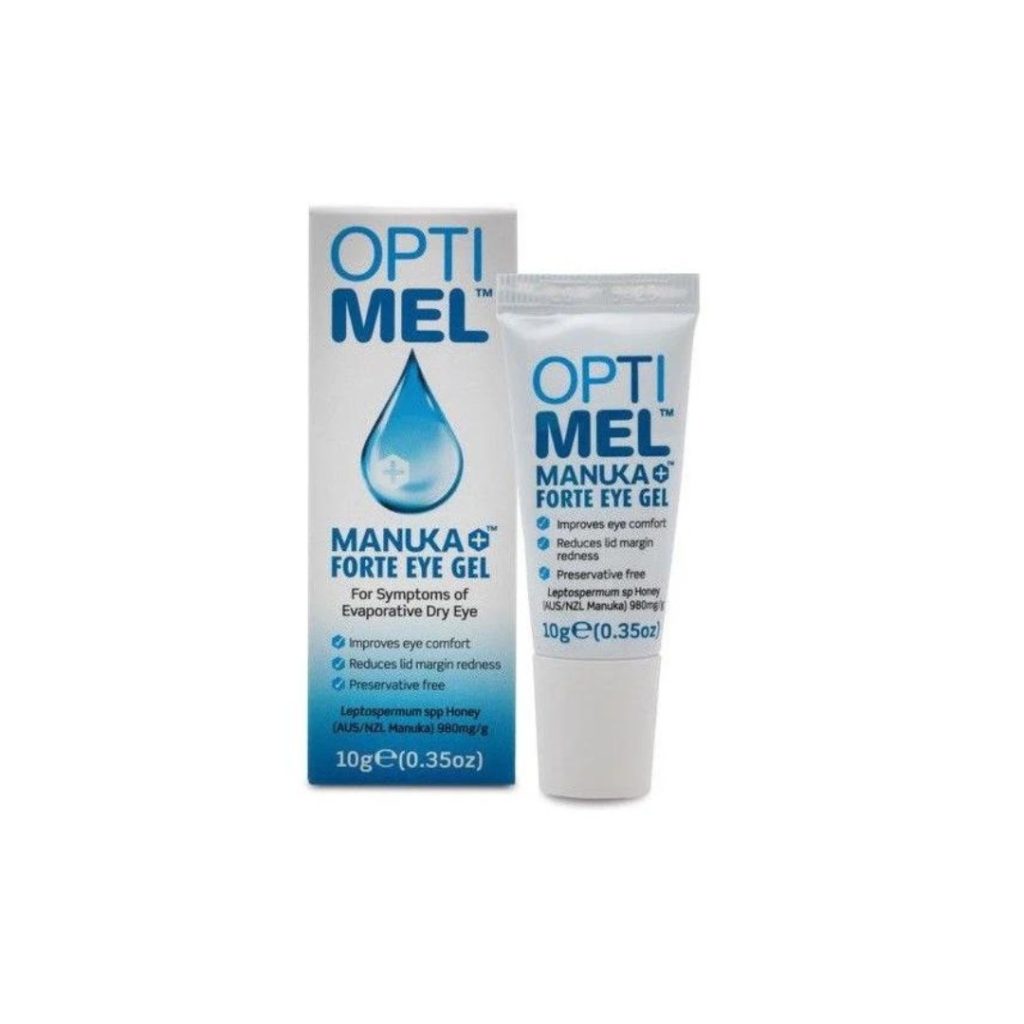
Optimel Manuka Forte Gel: This Manuka honey gel offers relief for severe dry eye symptoms, blepharitis, and eyelid inflammation. It is applied along the inside of the lower eyelid. The product page notes that mild stinging and redness upon application are normal. Avoid using it if you have a history of sensitivity to honey or benzoate compounds.
Two additional lid care options available in the store include OCuSOFT HypoChlor Spray, a hypochlorous acid spray applied to the eyelids and lashes with a cotton pad, and OCuSoft Lid Scrub Plus, a foaming eyelid cleanser designed for individuals with blepharitis and dry eye. Both product pages recommend using these alongside a warm compress and a lid cleanser.
Makeup Options for Sensitive Eyes
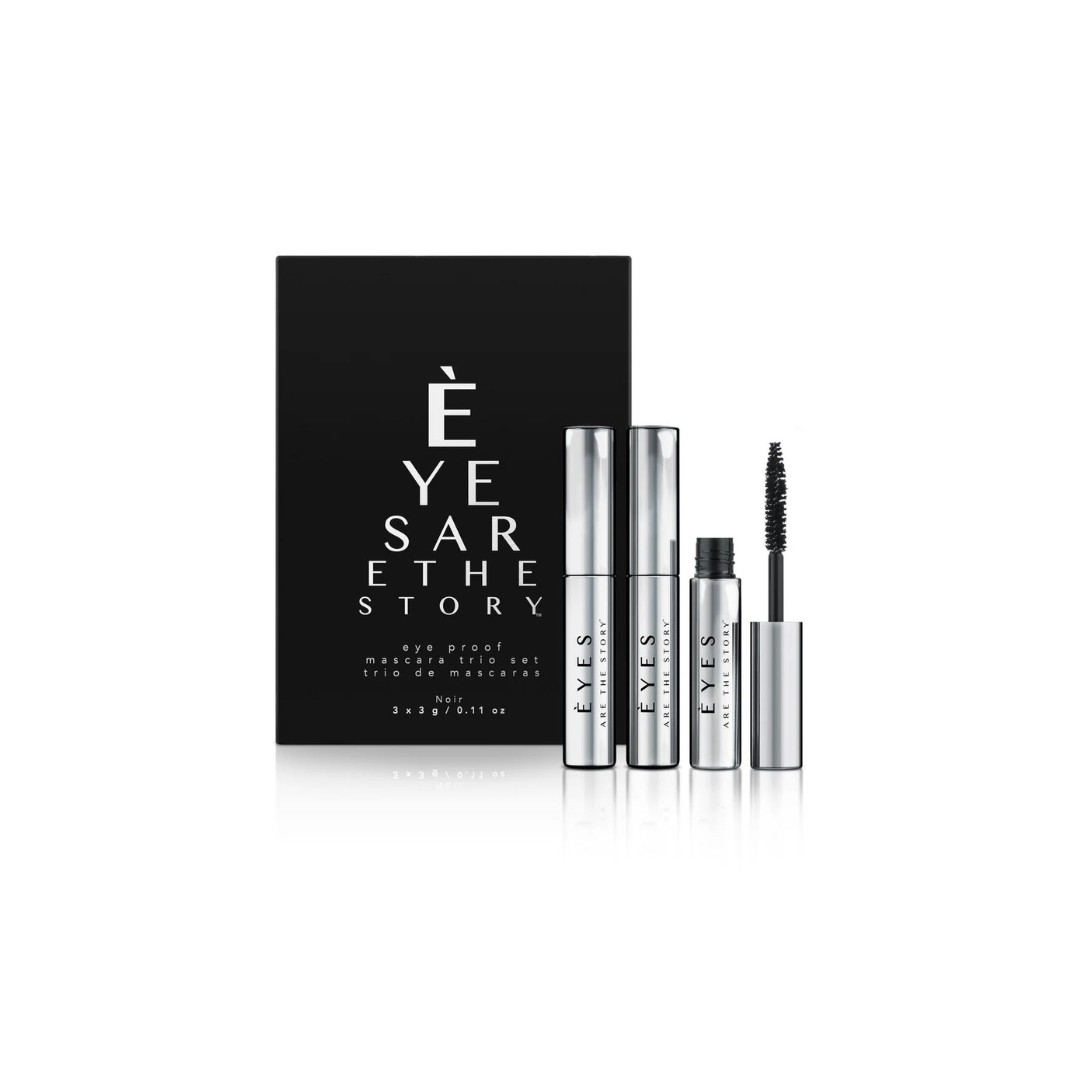
If you wish to continue wearing makeup after your eyelid has healed, the Eyes Are The Story range includes a facial cleanser, a facial serum, a liquid liner, and a mascara trio. The product pages indicate that the range is free from synthetic dyes, fragrances, and parabens. The mascara is available in three mini tubes designed to minimise contamination and bacterial growth on the wand.
When Should You Seek Optometrist Advice About a Stye?
If a stye responds well to warm compresses, additional treatment is generally unnecessary. If you are unsure whether the lump on your eyelid is a stye, if styes recur frequently, or if your eye also appears red, watery, or sensitive to light, schedule an appointment with an optometrist for an evaluation.
At Eyes by Design in Kincumber, our optometrists can assess the eyelid and its glands, evaluate for dry eye or other eye conditions that may contribute to the problem, and refer you to your GP or another healthcare professional if the stye requires antibiotics or drainage. An adult eye examination will also investigate other potential causes of eye irritation. You can contact the practice at (02) 4369 8169 on weekdays between 9 am and 5 pm.
If the skin surrounding your eye becomes red, swollen, or painful, or if you develop a fever, seek immediate medical attention, as healthdirect categorises this type of spreading infection as a medical emergency.
Frequently Asked Questions About Eye Styes
What is the Expected Recovery Time for a Stye?
Most styes resolve without the need for medical intervention. Healthdirect states that the lump may take up to six months to completely disappear. If you do not notice any improvement within one to two weeks of applying warm compresses and gentle cleansing, it is crucial to consult a doctor.
Is It Safe to Attempt to Pop a Stye?
No. Healthdirect advises against squeezing, rubbing, or touching a stye. Attempting to pop it can push pus into the surrounding tissue, thereby spreading the infection. If drainage is necessary, a doctor will perform this procedure using a needle.
How Often Should I Apply a Warm Compress to a Stye?
Healthdirect recommends placing a clean, warm washcloth on the closed eyelid for two to five minutes at a time, up to 20 times a day. If you opt for a heated stye compress, follow the manufacturer’s instructions regarding heating time and duration of application.
Source: healthdirect Australia, Stye, last reviewed May 2024, retrieved 30 September 2026. Product details are sourced from the Eyes by Design online store product pages, retrieved 30 September 2026. This article serves as general information and does not replace professional advice from your optometrist or doctor.
Original Article First Published At: Eye Styes: What Causes a Stye, How to Relieve It at Home and When to See an Optometrist The Article: Eye Styes: Causes, Home Relief Tips and Optometrist Advice first appeared on https://writebuff.com
The post Eye Styes: Causes and Effective Home Remedies for Relief appeared first on Limits Of Strategy.