Comprehensive Guide to Building Certification and Inspections
Starting the process of building a new home or renovating an existing property can be daunting. This journey encompasses numerous tasks and strict adherence to various regulations. For first-time builders, navigating through these complex and unfamiliar requirements can be particularly challenging.
Throughout the construction process, a range of professionals and tradespeople play crucial roles. Newcomers to the industry may not fully understand the specific responsibilities held by each individual. A common area of confusion arises from distinguishing between a building certifier and a building inspector.
Why Building Certifiers Are Essential for Successful Construction Projects
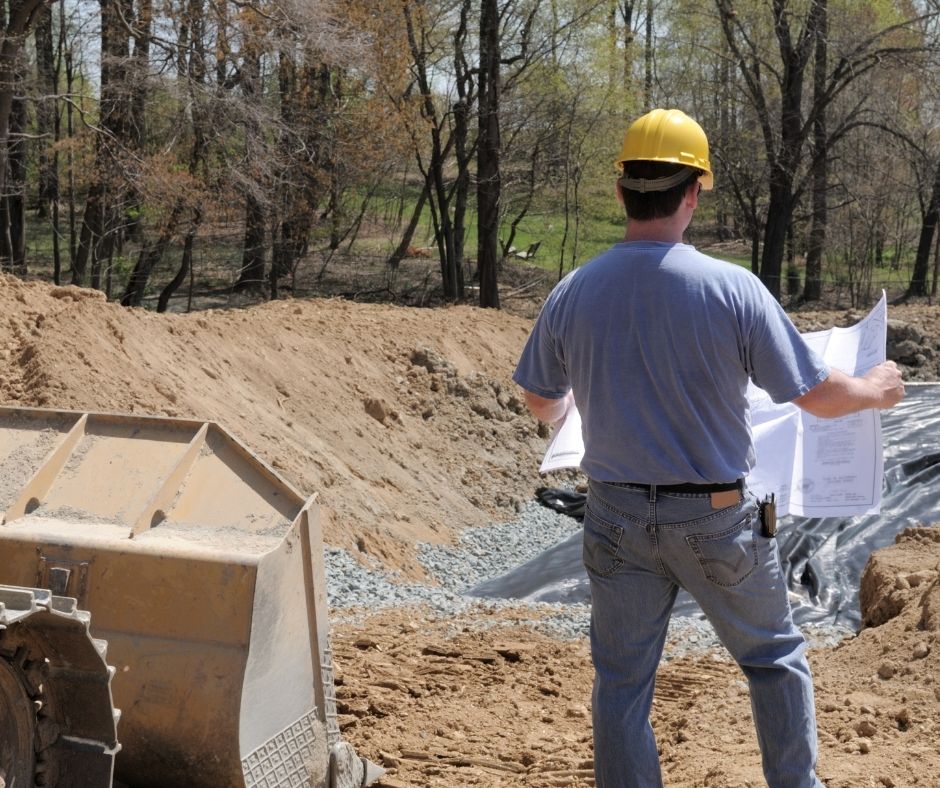
The evaluations performed by building certifiers are critical for the successful completion of any construction project. They ensure that all work complies with applicable government regulations, playing a key role in determining whether a property meets legal standards.
Building certifiers verify that every construction aspect aligns with the regulations set by local, state, or federal authorities. Compliance with these regulations is not merely advisable; it is a legal necessity.
In Queensland, certifiers are authorised to issue building permits for construction projects, conduct necessary inspections, and provide formal documentation alongside inspection certificates. For more information on the vital roles that building certifiers play, keep reading.
What Are the Key Responsibilities of a Building Certifier?
- Assess and approve plans for new or modified structures;
- Carry out inspections at critical stages of construction;
- Issue inspection certificates to the building owner after evaluations are complete;
- Provide enforcement notifications for any non-compliant building work when required;
- Grant final certification to confirm a building’s readiness for occupancy.
It is important to clarify that building certifiers are NOT responsible for managing construction sites. They do not evaluate the quality of craftsmanship or ensure that builders adhere to contracts with homeowners. If an inspection reveals non-compliance with approved plans, the certifier is required to take appropriate actions to address the issue and ensure adherence to legal standards.

The responsibilities of a certifier do not include guaranteeing compliance with building warranties or insurance conditions. Their primary focus lies in the approval, inspection, and certification of building works.
Whether they are employed by a local council or work for a private firm like A1 Certifiers, all building certifiers in Queensland must possess a licence from the Queensland Building and Construction Commission (QBCC). They must also be registered with relevant accrediting bodies, such as the Australian Institute of Building Surveyors (AIBS) or the Royal Institute of Chartered Surveyors.
Expanded Responsibilities of Building Certifiers
To conducting inspections, certifiers have several other important duties:
- Issue inspection certificates to builders after evaluating their work;
- Provide final certificates that allow for the occupancy of the building;
- Send enforcement notices as required; inspect construction work at various stages;
- Approve plans for new constructions, including additions, extensions, or modifications.
Thorough Building and Pest Inspections by Qualified Building Inspectors
A building and pest inspection encompasses a detailed visual assessment of a property’s current condition, comparing it to similar properties of the same age, construction quality, and condition. This evaluation is conducted by a qualified building inspector in accordance with Australian Standards. The resulting report evaluates the quality of workmanship and overall building standards. Key areas of focus include:
- Verification of completion to an accepted satisfactory standard;
- Identification of inadequate workmanship, including the use of unsuitable materials or incomplete tasks;
- Non-structural defects and conditions that may lead to future structural problems.
Building inspections can reveal hidden issues, such as pest infestations like termites and damage caused by unqualified DIY work. These inspections play a crucial role in identifying potential safety hazards, which could ultimately save lives.
When Should You Seek the Expertise of a Building Inspector?
- Pre-purchase inspections for potential home buyers;
- Inspections during the construction phase;
- Building handover inspections at project completion;
- Inspections covered by warranty provisions.
Building inspectors meticulously document visible defects, assess their severity, and recommend corrective actions within a specified timeframe.
A building inspection can serve as a warranty for your new construction during the first twelve months, enabling you to address any mistakes made by contractors throughout the building process. This offers peace of mind and provides you with essential information for making informed property decisions.
Professional Building Certifiers Located in Brisbane
A1 Certifiers are experienced private certifiers based in Brisbane, prepared to help you submit and secure approval for your building plans from the local council. They ensure that your new home construction or renovation aligns with the approved plans and adheres to all relevant requirements under building legislation and the national construction code. Get in touch with them today for expert guidance as you start your building journey.
Original Article First Published At: How Building Certifiers And Building Inspectors Differ
The Article: Building Certifiers Vs Building Inspectors: Key Differences first appeared on https://writebuff.com
The post Building Certifiers: Understanding Key Differences With Inspectors appeared first on Limits Of Strategy.
References:
Building Certifiers: Understanding Key Differences With Inspectors
Building Certifiers and Inspectors: Key Differences Explained