In Queensland, the cost of replacing a hot water system typically falls between $1,400 and $4,500 for installation. This price range varies based on the type of system selected, its capacity, the specific location on your property, and any compliance work required for the installation.
Many homeowners tend to overlook their hot water system until it fails, resulting in unexpected cold showers, leaks at the base of the tank, or soaring energy bills. This guide provides an in-depth look at the average costs associated with different system types, the factors affecting pricing variations, and the compliance regulations for replacements in Queensland. For personalised assistance, our licensed hot water plumbers are available to help in Caboolture, Morayfield, and the broader Moreton Bay region.
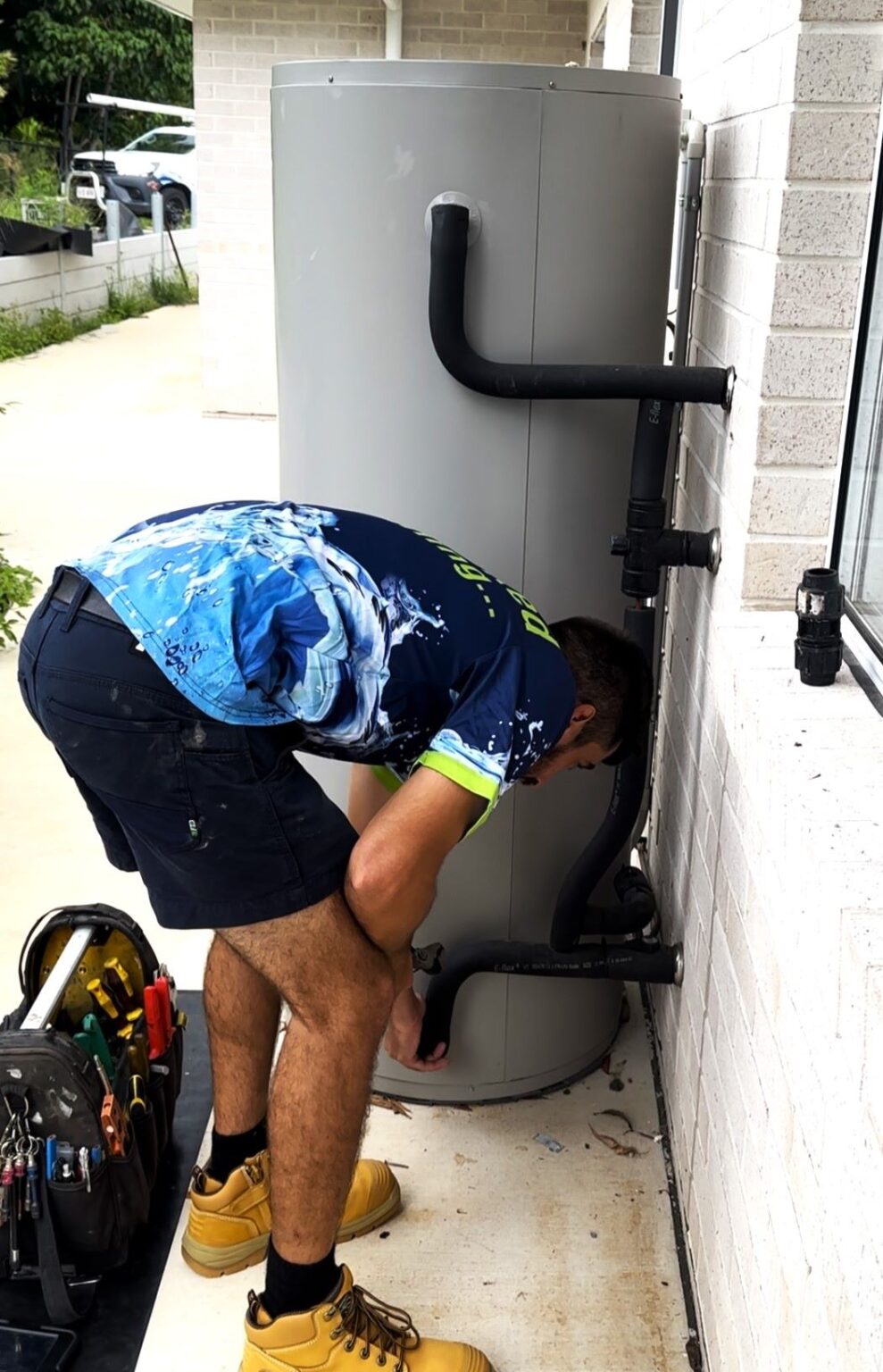
What Should You Expect to Pay for Installing a New Hot Water System in Queensland?
In Queensland, a straightforward replacement typically costs between $1,400 and $4,500, which includes installation. Electric storage systems usually sit at the lower end of this price range, while solar hot water and heat pump systems often command higher prices. The table below provides a general price guide for each system type.
| System Type | Approx. Cost (Including Installation) |
|---|---|
| Electric Storage | $1,400 to $2,200 |
| Gas Storage | $1,600 to $2,500 |
| Continuous Flow Gas | $1,800 to $2,800 |
| Solar Hot Water | $3,000 to $4,500 |
| Heat Pump | $2,500 to $4,000 |
These figures serve as an approximate guide for Queensland and do not constitute formal quotes. The final cost for your home will depend on the system you choose and the plumber’s assessment during the on-site evaluation. Always request a written quote after the inspection to ensure you have an accurate budget for your replacement.
What Factors Impact the Cost of Hot Water System Replacement?
Several factors can influence the cost of replacing your hot water system. Understanding these elements before seeking quotes can make it easier to compare options effectively.
- Type of System: Your choices include electric, gas, continuous flow, solar, or heat pump systems, as detailed in the table above.
- Size: A larger tank or higher flow rate increases the purchase cost and should accommodate the number of users in your household.
- Location: The position of the unit—whether indoors or outdoors—and how accessible the old system is for replacement can affect costs.
- Changing System Types: Switching from electric to gas, solar, or heat pump systems may necessitate new pipework, a gas connection, or a different location for the unit.
- Compliance Requirements: This includes a tempering valve and any documentation mandated by Queensland for new water heaters, which we will discuss further below.
Typically, a straightforward replacement of the same type and size in the same location is the most cost-effective option. Transitioning to a different system type may involve higher initial expenses but could result in long-term savings on running costs, making it worthwhile to consider before your current system fails entirely.
What Are the Signs Indicating That Your Hot Water System Needs Replacement?
In the Moreton Bay region, most storage tanks have a lifespan of 8 to 12 years, so monitoring systems within that age range is crucial. Look for the following signs that suggest the tank may be nearing the end of its service life:
- The hot water is discoloured or rusty.
- The water temperature varies during showers.
- There are leaks from the tank or its connections.
- The system has surpassed 8 to 12 years of age.
- Your energy bills have increased without any change in hot water usage.
- Your household size has grown, leading to hot water running out more quickly.
Even if your tank is not currently leaking, frequently running out of hot water may indicate that the system is either too small or not heating effectively. For more insights, consult our guide on the lifespan of various hot water systems.
How Do You Select the Ideal Hot Water System for Your Home?
Choosing the right system hinges on your household’s hot water usage, the availability of gas connections, and the amount of roof or yard space you have. Each system type offers a different balance between initial costs and ongoing running expenses.
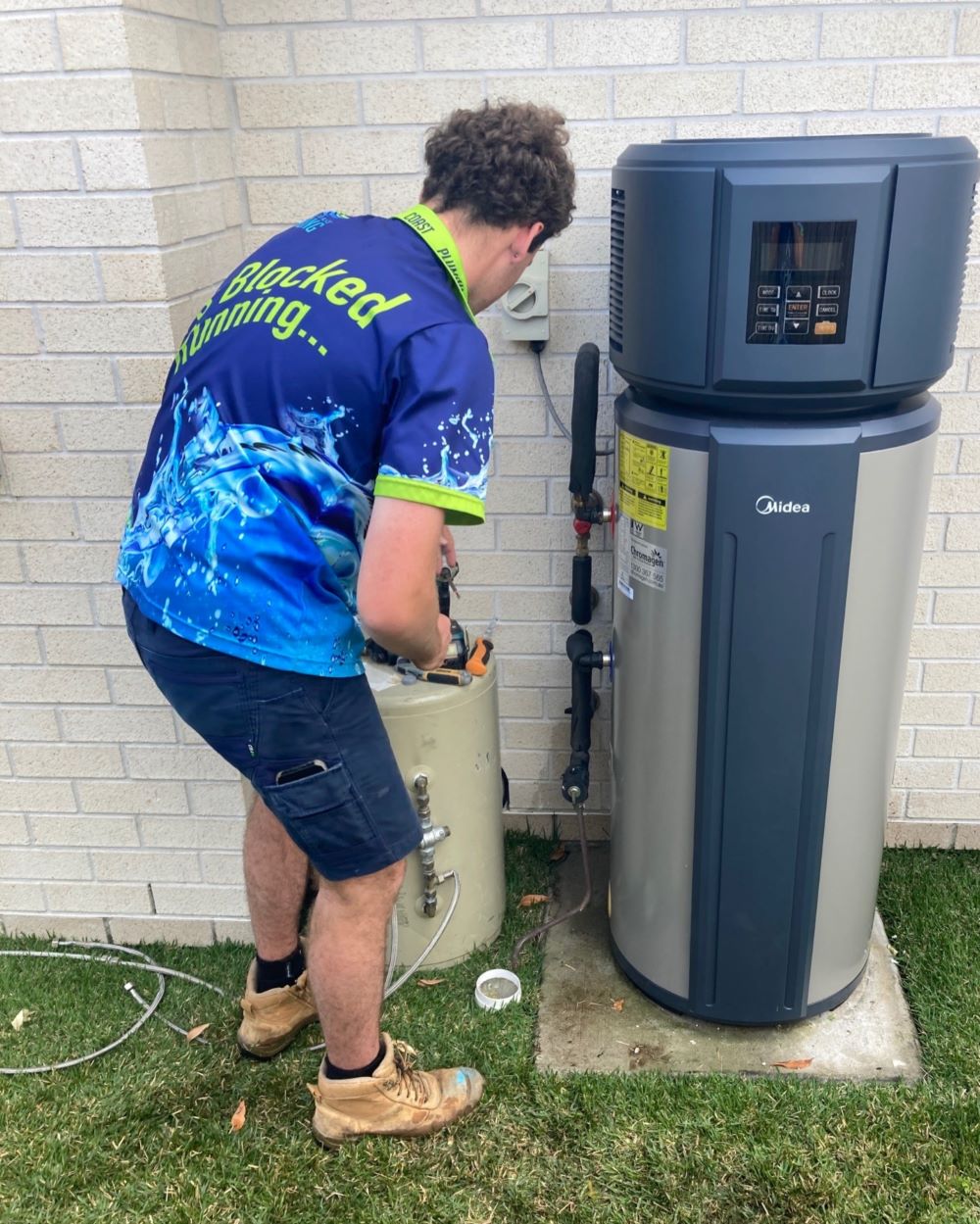
- Electric Storage: This option is straightforward, cost-effective to install, and reliable, though it typically incurs higher running costs compared to other options.
- Gas Storage or Continuous Flow: These systems are ideal for larger households with continuous hot water needs, provided there is a gas supply available.
- Heat Pump: Known for energy efficiency and potential government rebates, this option requires ample space and good airflow.
- Solar Hot Water: This choice offers reduced running costs over time but requires an electric or gas booster for cloudy days and peak usage periods. Many homeowners overlook this booster when budgeting.
Solar and heat pump systems may qualify for Small-scale Technology Certificates (STCs) under the federal Small-scale Renewable Energy Scheme. The Clean Energy Regulator identifies eligible systems, and the number of certificates issued is determined by your location and the installed system. You might also receive an upfront discount by assigning the right to create these certificates to a registered agent. For a comprehensive comparison, check our guide discussing whether heat pumps are superior to solar hot water systems.
During your quote, we assist you in comparing system types to ensure your selection aligns with your household’s needs and budget.
What Compliance Regulations Must Be Followed for Hot Water Replacement in Queensland?
All hot water replacements in Queensland must comply with specific legal requirements, which are factored into the overall price. The Plumbing and Drainage Act 2018 governs plumbing work in the state, requiring that a licensed plumber carries out the replacement rather than attempting it as a DIY project.
Is a Tempering Valve Mandatory in Queensland?
Yes. According to Business Queensland, every new and replacement hot water system must include a temperature control device to ensure that hot water delivered at taps does not exceed 50°C. Water in a residential storage system must be heated to a minimum of 60°C to prevent the growth of bacteria such as Legionella. The tempering valve adjusts the hotter stored water to a safe temperature at the taps, protecting children and elderly family members from burns.
What Is the Importance of Form 4 for a New Water Heater?
The installation of a new water heater is classified as notifiable work in Queensland. The Queensland Building and Construction Commission (QBCC) requires that the plumber document the work on a Form 4 within 10 business days of issuing the invoice and provide a copy to the property occupant. Keep this copy with your home records as it confirms that the installation was performed and registered appropriately.
Solar and heat pump systems have an additional requirement. Business Queensland stipulates that these must be installed by a hot water installer with a solar and heat pump endorsement from the QBCC. If you’re curious about which plumbing tasks you can undertake yourself, refer to our guide on whether DIY plumbing is permitted in Queensland.
How Long Will It Take to Replace Your Hot Water System?
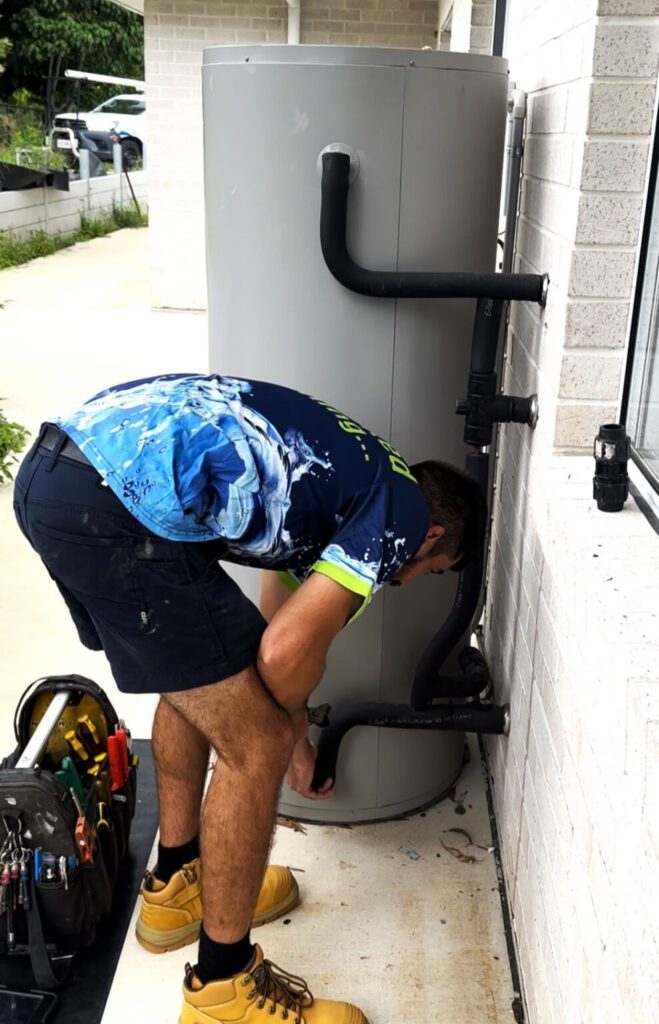
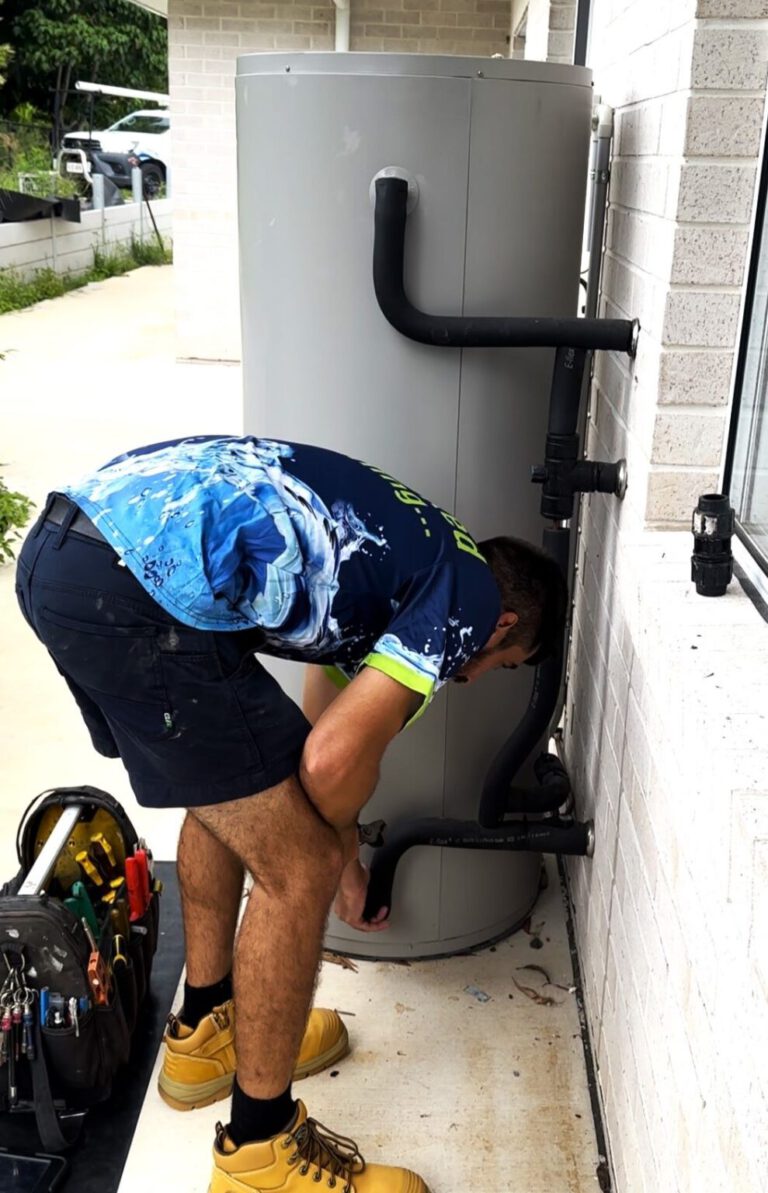
Most direct replacements can be completed within the same day, as our vans are stocked with common units and parts. Upgrading to a different type of system, such as switching from electric to solar or relocating a unit from indoors to outdoors, may require additional time due to extra pipework and compliance measures. We assess your setup before the installation date and provide an estimated duration for the work.
Which Hot Water System Brands Do We Install?
We install and service leading hot water brands, including:
- Rheem
- Rinnai
- Bosch
- Dux
- Thermann
Why Choose Creek to Coast Plumbing for Your Hot Water System Replacement?
Creek to Coast Plumbing is a locally owned plumbing business based in Morayfield, specialising in the replacement of electric, gas, solar, and heat pump hot water systems for homes throughout Caboolture and Moreton Bay.
- We frequently provide same-day replacements, as our vans are equipped with common units and parts.
- Our expertise covers electric, gas, solar, and heat pump systems.
- We offer an upfront price before commencing any work, ensuring a tidy site upon completion.
- Our team comprises QBCC licensed plumbers who are fully insured and members of the Master Plumbers Association of Queensland.
- We service Caboolture, Moreton Bay, North Brisbane, and surrounding suburbs.
Frequently Asked Questions About Hot Water System Replacement in Queensland
Will I Be Without Hot Water for an Extended Period?
For most like-for-like replacements, you will not experience significant downtime without hot water. The old unit is removed and replaced with the new one on the same day. Upgrading to a different system type may require additional time, and we will inform you of the expected duration before scheduling the work.
Can I Upgrade to a Larger Tank When Replacing My Hot Water System?
Yes. If your household size has increased or your hot water usage has risen, a replacement is an excellent opportunity to upgrade to a larger tank or a higher flow rate. We calculate the appropriate size based on the number of occupants in your home and their hot water consumption patterns to ensure you do not run out.
Are There Rebates Available for Solar or Heat Pump Hot Water Systems in Queensland?
Yes. Solar water heaters and air-source heat pumps qualify for Small-scale Technology Certificates under the federal scheme administered by the Clean Energy Regulator. By assigning the rights to create these certificates to a registered agent, you may become eligible for an upfront discount, and we help you claim these benefits as part of the installation process.
Is Replacing a Hot Water System More Economical Than Repairing It?
While repairs may appear cheaper initially—especially when the tank itself remains intact, such as when a thermostat or valve fails—once leaks develop from the inner tank, a replacement becomes necessary. Our guide on a leaking water heater from the bottom element provides insights on distinguishing between the two scenarios.
Are You Seeking a New Hot Water System?
Contact Creek to Coast Plumbing or call 1300 793 962 to arrange a quote. We will assess your current system, provide a written estimate for the replacement, and efficiently install your new hot water system.
Original Article First Published At: How Much Does It Cost to Replace a Hot Water System in QLD? A 2026 Price Guide from Creek to Coast Plumbing
The Article: Cost to Replace a Hot Water System in Qld: 2026 Guide first appeared on https://writebuff.com
The post Cost to Replace Hot Water System in Qld: 2026 Overview appeared first on Limits Of Strategy.