
Are you starting your contact lens journey for the first time? After your optometrist has given you the green light for contact lenses, you might have a number of questions about what to expect before your fitting appointment.
Essential Tip: Start with daily disposable lenses. These lenses simplify the process by eliminating the need for a cleaning routine, which can be overwhelming for newcomers. Always ensure your hands are clean before touching your contact lenses, and avoid using tap water on them. Don’t forget to schedule a fitting with your optometrist to ensure you have the right lenses for your prescription and eye health.
Your optometrist has confirmed that you are an excellent candidate for contact lenses, and it’s completely normal to feel a blend of excitement and a bit of nervousness at the idea of handling your eyes. These emotions are common among first-time users.
We regularly assist individuals who are new to contact lenses. In this guide, you will discover vital information to help you prepare for your fitting appointment, comparisons between daily and monthly lenses, along with essential routines to maintain the health and comfort of your eyes.
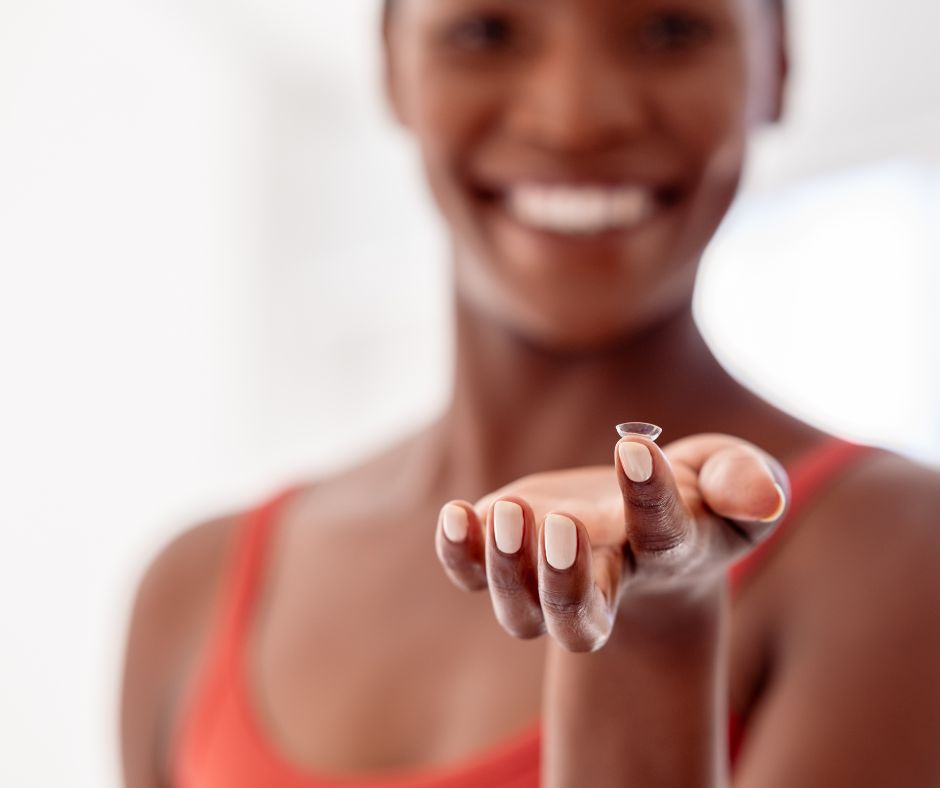
Make an Informed Choice: Comparing Daily and Monthly Contact Lenses
Quick tip: Opt for daily lenses if you are a beginner, use lenses occasionally, have allergies, or travel frequently; they offer a fresh lens every day without the need for cleaning. Monthly lenses are more suitable for regular users who are comfortable with a nightly cleaning routine and can be more economical over time when properly managed.
Deciding between these two types is often more straightforward than you might think. A solid understanding of the pros and cons can significantly enhance your experience.
Benefits of Daily Disposable Lenses
With daily disposable lenses, you wear a fresh pair each day and dispose of them at night. This removes the hassle of cleaning, storage cases, or solutions, allowing you to forget about the last time you wore them.
Who should choose daily disposables:
- New wearers seeking a straightforward and hassle-free experience
- Individuals who wear lenses occasionally for activities like sports or social gatherings
- People who suffer from allergies, as using a new lens each day helps reduce the build-up of allergens
- Frequent travellers who appreciate convenience
- Anyone who wants to avoid a nightly cleaning process
Considerations: While daily disposables may appear more expensive on a daily basis, factoring in the costs of cleaning solutions, cases, and potential infections from inadequate hygiene can justify this perceived price difference.
Exploring Monthly Contact Lenses and Their Benefits
Monthly lenses can be worn for up to 30 days. Each night, you must remove, clean, and store them in fresh solution to maintain comfort and quality.
Who should consider monthly lenses:
- Regular users looking for the most cost-effective long-term solution
- Those comfortable with a nightly cleaning routine
- Individuals whose prescriptions are not available in daily disposable forms, including some complex or specialised cases
Considerations: Regular nightly cleaning is crucial. Skipping this step can lead to serious eye infections.
Essential Information About Fortnightly Lenses
Some brands offer lenses designed to be replaced every two weeks. They require the same cleaning procedures as monthly lenses but necessitate more frequent replacements.
Advice for new wearers: Start with daily disposables. They simplify the process, helping many beginners avoid common challenges. Once you feel comfortable inserting and removing lenses and can identify discomfort, consider switching to monthly lenses if cost becomes a significant factor.
Mastering Contact Lens Insertion Techniques for New Users
Quick tip: Always wash your hands, ensure the lens is not inside out, hold your eyelids open, look slightly upward, place the lens onto the white of your eye just below the iris, and then release and blink. Most individuals become accustomed to this process within a week, and your optometrist will provide guidance during your fitting.
Initially, inserting a lens may feel odd. Your body instinctively protects your eyes, which might cause you to blink or flinch as something approaches. With practice, this reflex will lessen, and most people adapt within a week.
- Wash your hands thoroughly. Use soap and water, then dry with a lint-free towel. Any residue can transfer to the lens and subsequently to your eye.
- Check the lens orientation. Place it on the tip of your index finger. It should look like a smooth bowl with clean edges. If the edges flare outwards, it is inside out. Just flip it.
- Hold your eyelids apart. Use the middle finger of the hand holding the lens to pull down the lower lid while using your other hand to lift the upper lid. This creates a clear pathway for the lens.
- Look slightly upward. Position the lens on the white part of your eye, just below the iris.
- Release and blink. Gently let go of your eyelids and blink several times to allow the lens to settle.
- Repeat for your other eye.
Your optometrist will guide you through this entire process during your fitting. We ensure you feel confident in inserting and removing your lenses before you leave, which is the primary objective of the fitting session.
Proven Techniques for Safely Removing Contact Lenses
- Thoroughly wash your hands.
- Look upward.
- Slide the lens down onto the white part of your eye using your index finger.
- Gently pinch the lens between your thumb and index finger to lift it out.
For daily lenses, dispose of them. For monthly lenses, store them in a clean case filled with fresh solution.
If you find removal challenging in the first week or two, consider using a soft contact lens handler or tweezers. These tools can make the process easier while you develop the necessary muscle memory. Most users no longer need these tools after a month, but it’s perfectly acceptable to use them if they assist you.
Essential Cleaning and Care Practices for Monthly Contact Lenses
Quick tip: Clean each lens with a multipurpose solution for about 20 seconds, rinse, and store it in fresh solution (never top up old solution). Replace your lens case every one to three months. Avoid tap water as it is a leading cause of serious contact lens infections.
If you are using daily disposables, you can skip this section since cleaning is not necessary.
For monthly or fortnightly lenses:
- After removing each lens, place it in your palm.
- Add a few drops of multipurpose solution.
- Gently rub the lens with your fingertip for about 20 seconds. Even if the solution states “no rub,” rubbing helps eliminate more deposits.
- Rinse with fresh solution.
- Store it in a clean case filled with fresh solution (never top up old solution; always replace it entirely).
- Replace your lens case regularly, every one to three months.
Never use tap water on contact lenses. Tap water can contain microorganisms that lead to severe eye infections, including Acanthamoeba keratitis, a painful and potentially sight-threatening condition. This also means avoiding swimming or showering with your lenses unless you’re wearing sealed goggles. Do not rinse your lens case with tap water.
These precautions are not excessive. We see numerous cases of contact lens-related infections each year, mainly due to patients cutting corners with water. Following this guideline will help you avoid such problems.
Frequently Prescribed Contact Lenses
Every prescription and eye condition is unique. Your optometrist will recommend the most suitable lens tailored to your specific needs during your fitting. Below are some of the lenses we frequently fit and stock, along with their best applications.
Top Picks for Daily Disposable Lenses
- Dailies Total 1: Utilises water gradient technology, resulting in an outer lens surface that is nearly entirely water, a popular choice for patients with mild dry eye.
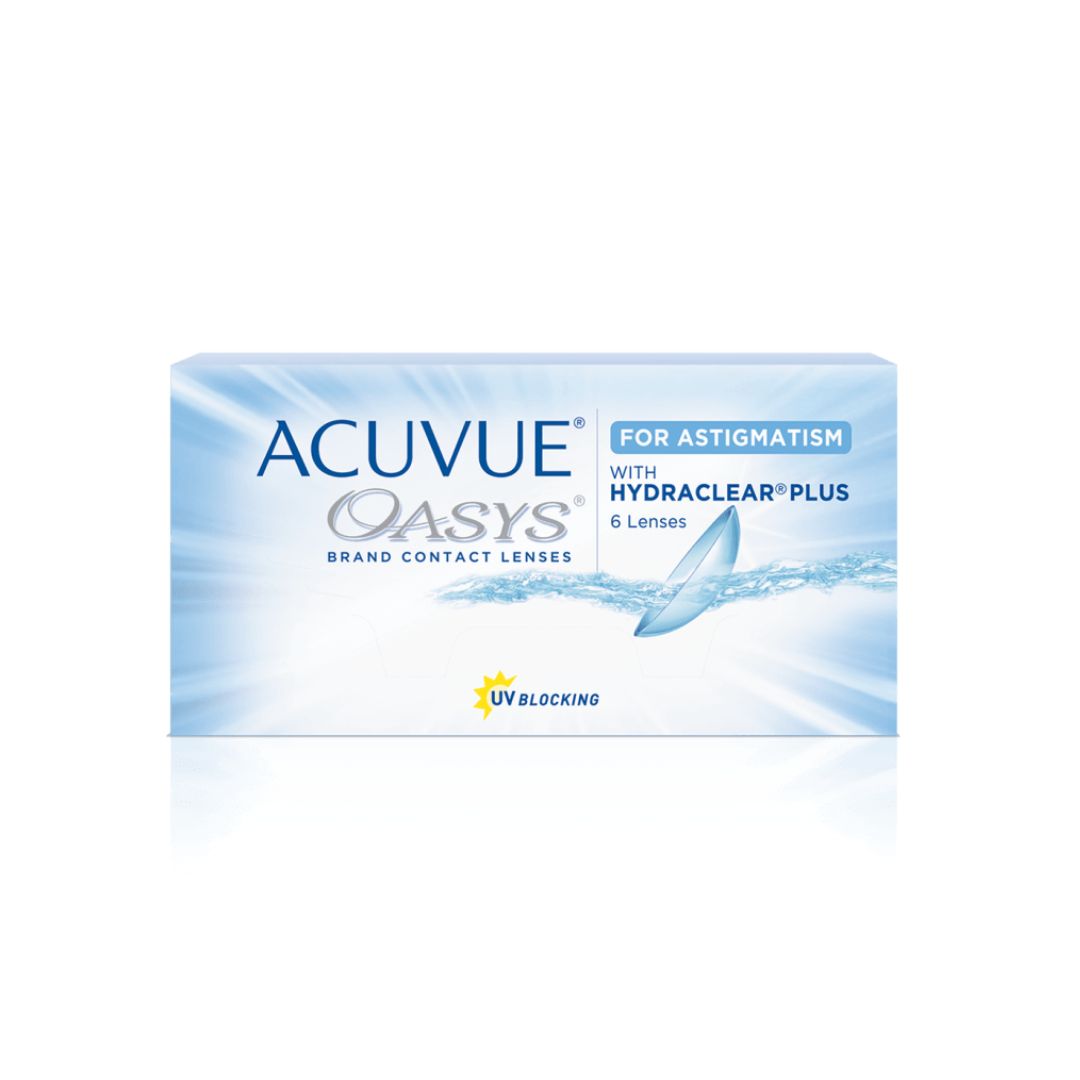
- Acuvue Oasys 1 Day: Offers excellent oxygen transmission and built-in UV protection, ideal for those who spend time outdoors or in bright settings.
- Precision 1: Features Alcon’s SmartSurface technology to create a thin moisture layer across the lens, ensuring all-day comfort.
- Miru 1Day Flatpack: Known for the world’s thinnest contact lens packaging. The lens sits on a flat pack, ensuring it’s oriented correctly when picked up, eliminating guesswork for new wearers.
Popular Monthly Contact Lenses
- Biofinity: A well-regarded monthly lens with high oxygen permeability, available in a vast prescription range, including complex prescriptions.
- Air Optix Plus HydraGlyde: Utilises SmartShield surface technology to resist protein and lipid deposits that can cause discomfort towards the end of the month. Ideal for users whose current monthly lenses become uncomfortable as they age.
Strategies for Managing Dry Eyes or Sensitivity While Wearing Lenses
Wearing contact lenses can contribute to dry eye, and experiencing dry eye can make wearing lenses uncomfortable. If you already have dry eye symptoms, your fitting discussion should focus on which lens type will work best for you and whether to incorporate any supportive treatments.
Feel free to discuss any concerns with us during your fitting. Contact lens wear and dry eye can coexist, but your approach needs to be tailored to your specific condition.
When to Reach Out to Your Optometrist
Quick tip: If you experience pain, persistent redness, sudden blurriness, discharge, a lingering sensation of “something in my eye” after removal, or new light sensitivity, contact us right away. Do not wait for symptoms to improve. Prompt attention can prevent serious complications.
Some issues can wait until your next appointment, while others need immediate attention. Contact us (or any optometrist) if you notice:
- Pain that persists after removing the lens; pain indicates something is wrong.
- Redness that lasts more than a few hours.
- Sudden blurred vision while wearing lenses.
- Discharge or excessive tearing.
- A feeling of something being stuck in your eye after removal.
- New light sensitivity that was not present before.
Any of these symptoms may signal an infection, a damaged lens, or a corneal problem. Do not hesitate to seek assistance, and avoid assuming the issue will resolve on its own. Early intervention can prevent serious complications.
Common Questions About Contact Lenses Answered
How long does it usually take to adjust to wearing contact lenses?
Most new wearers find comfort in inserting and removing their lenses within a week. Physical comfort, meaning not feeling the lens in your eye, typically settles within the first two to three days. If you continue to struggle with insertion after two weeks, schedule a follow-up appointment. Sometimes, a different lens material or a handling tool can greatly improve your experience.
Is it safe to sleep while wearing contact lenses?
No, unless they are specifically prescribed for overnight use. Standard daily and monthly lenses are designed for daytime wear only. Sleeping in regular lenses restricts oxygen flow to your cornea and significantly raises the risk of infection. If you need to wear lenses overnight, consult your optometrist about specially designed extended wear lenses.
What should I do if a contact lens feels stuck in my eye?
It’s impossible for a lens to slip behind your eye. It usually shifts to the side or folds up. Wash your hands, apply a few drops of preservative-free lubricant, and gently massage your closed eyelid until the lens shifts back to the centre for removal. If it doesn’t come out after 10 to 15 minutes, stop trying and contact your optometrist.
Can I wear contact lenses if I have dry eyes?
Often, yes, but the choice of lens is more critical for individuals with dry eyes than for those without. Daily disposables with high water content tend to be more comfortable for dry eye patients compared to older monthly materials. Implementing a dry eye management routine (heat therapy, lid hygiene, supplements) can enhance comfort while wearing lenses. Your optometrist will select the appropriate lens based on your tear film during your fitting.
What are the typical costs of contact lenses in Australia?
Prices vary based on the brand, lens technology, and whether you’re purchasing 30 or 90 packs. Daily disposables are priced in one range, while monthlies fall into another, and specialty lenses (such as toric for astigmatism or multifocal for presbyopia) tend to be more expensive due to their complex optics. Current pricing for each type can be found on its product page. We also offer discounted rates for ongoing subscriptions, so be sure to ask during your fitting.
Do I need to consult an optometrist to purchase contact lenses?
Yes. In Australia, contact lenses are classified as medical devices and require a valid prescription from a registered optometrist or ophthalmologist. Even if you have worn lenses for years, your prescription must be current. We assess the fit, corneal health, and prescription accuracy during each review.
When This Guide May Not Be Applicable to You
- If you are under 16 years old — fitting contact lenses for children requires a separate discussion with parents or guardians. Please book a consult.
- If you have not had a recent eye exam — obtain your prescription and corneal health check first. Lenses should follow, not precede.
- If you wish to wear cosmetic lenses without a prescription. Avoid purchasing unregulated lenses online — this is illegal in Australia and may cause serious corneal injury.
Ready to Start Your Journey with Contact Lenses?
Book your contact lens fitting at our Central Coast practice, where we will assist you in finding the perfect lens tailored to your eyes, prescription, and lifestyle. You will leave your fitting feeling assured in your ability to insert, remove, and care for your lenses.
Discover Contact Lenses at Eyes By Design · Schedule Your Contact Lens Fitting Today
Original Article First Published At: Your First Contact Lenses — A Practical Guide Before You Start
The Article: First Contact Lenses: Your Practical Guide to Getting Started first appeared on https://writebuff.com
The Article Contact Lenses: A Practical Guide for Beginners Was Found On https://limitsofstrategy.com