In summary, if you can transport your waste independently, opting for a concrete recycling centre is generally more cost-effective than hiring a skip bin. Choose a skip bin when you are unable to move the materials yourself or when your project is medium to large in scale. Keep in mind that concrete and brick are heavy materials, which often necessitates a smaller bin than you might anticipate.
We oversee a wide range of concrete and brick disposal projects across Penrith, the Blue Mountains, Hawkesbury, and Western Sydney. Before you confirm your booking, here’s a detailed overview of your disposal options, with an emphasis on the most economical methods to help you avoid overspending on smaller loads.
Why Selecting a Concrete Recycling Centre is the Best Choice for Waste Disposal
Concrete recyclers usually charge by the tonne, making them the most affordable choice for disposing of clean concrete and brick, provided you have access to a trailer or ute for transport.
Recyclers value clean, crushed concrete and brick because these materials can be transformed into road base and aggregate. Their rates per tonne are competitive, and for smaller demolition tasks—such as removing a pathway, steps, or an old brick garden edge—a visit to the recycling centre may be more economical than hiring a bin. Ensure that the materials are considered “clean,” meaning they should consist solely of concrete and brick, free from soil, timber, plastic, or general rubbish. If you can transport it and it’s clean, this option is your most budget-friendly choice.
When is it Wise to Hire a Skip Bin for Waste Management?
Hiring a skip bin is advisable when you cannot transport the debris yourself or when the job exceeds the capacity of a trailer load.
A skip bin is particularly beneficial in three scenarios:
- <a href="https://berwicktestandtag.com.au/cheaper-disposal-options-for-concrete-and-brick/">No transport available</a>: if you do not have access to a trailer or ute, or if the recycling centre is too far for multiple trips.
- <a href="https://berwicktestandtag.com.au/scaffold-load-capacity-in-residential-building-projects/">Medium to large projects</a>: such as demolishing a shed slab, removing an entire brick wall, or pulling up a paved area.
- Mixed rubble: when brick and concrete are combined with materials such as mortar, tiles, or dirt that recyclers will not accept as clean waste.
For larger, heavier loads, we provide a concrete and brick waste service where the bin is delivered directly to your site. You can fill it at your convenience, and we will handle the rest.
Understanding Weight Limits: The Need for Smaller Bins for Heavy Waste
Concrete and brick are among the heaviest materials you can dispose of in a bin, meaning that weight will limit your options more than volume.
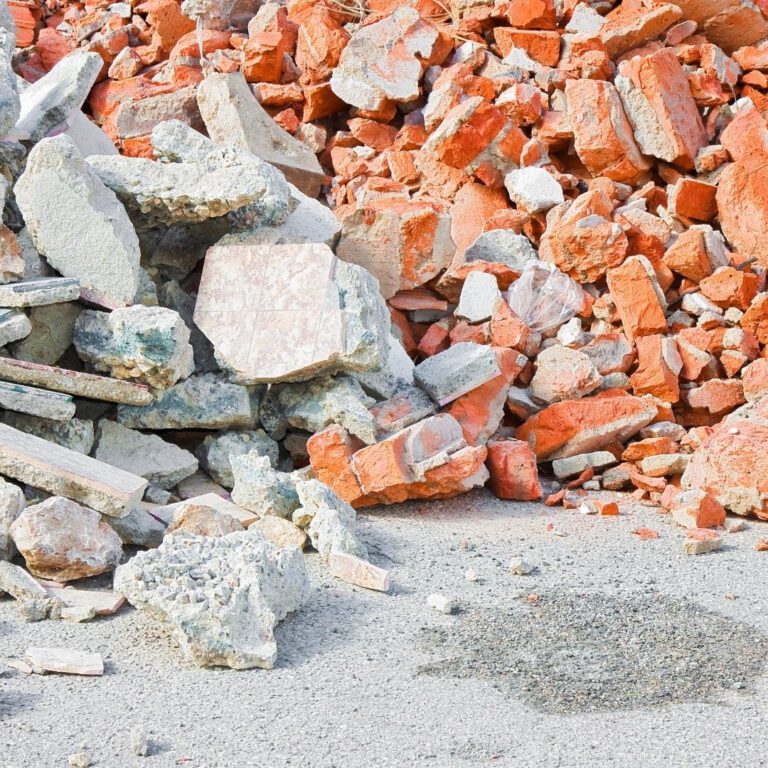
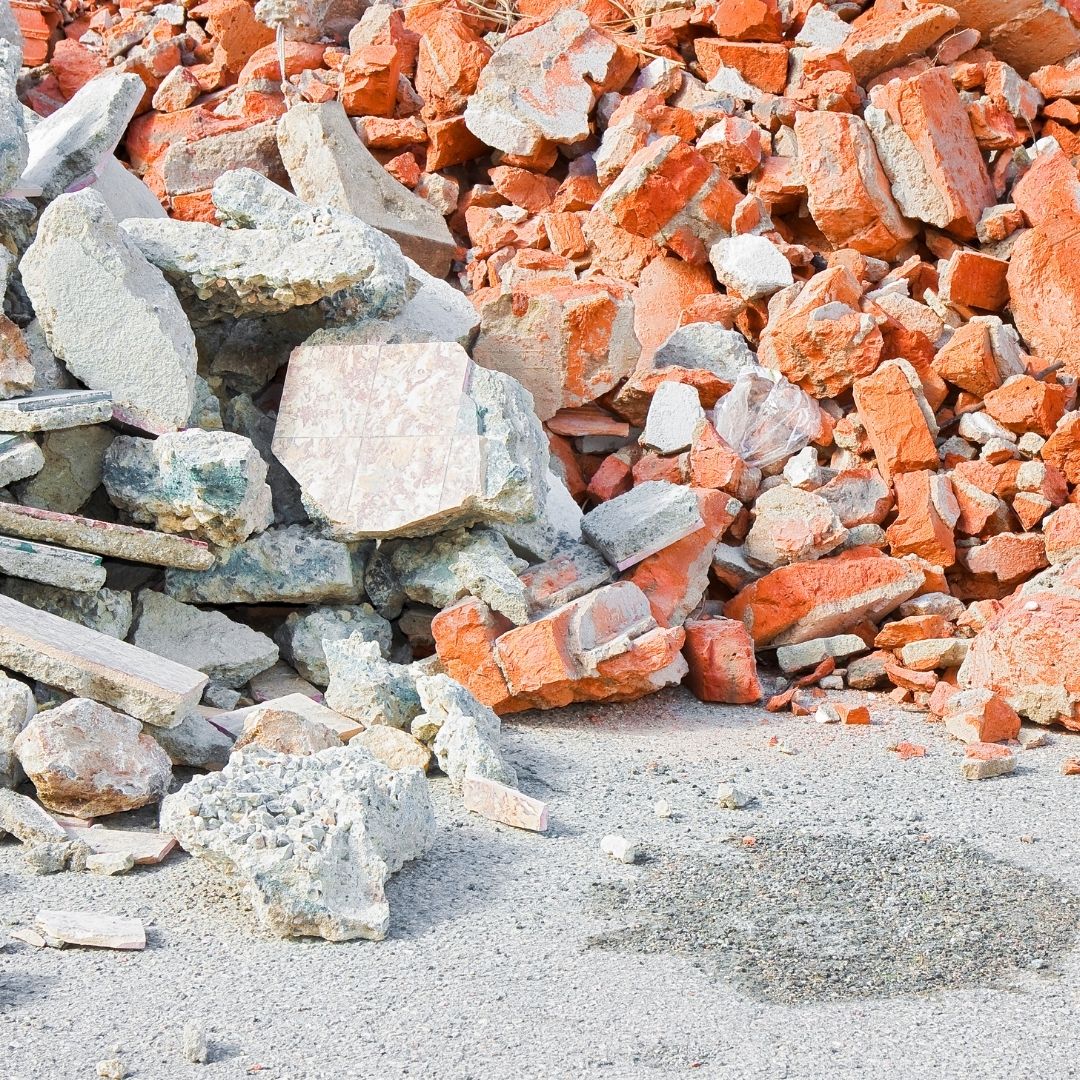
A common mistake is to book a large bin for a brick project, only to fill it one-third of the way and then reach the weight limit. Due to the density of rubble, even a small or mid-sized bin can hold substantial weight before it appears full. This demonstrates why a “heavy waste” bin is sized differently compared to a general waste bin. Our bin size guide clarifies how weight limits affect the size you require. It’s beneficial to discuss this with us when you make your booking; simply indicate that you’re disposing of concrete or brick, and we’ll ensure you get the appropriate size. This straightforward approach aligns with our green waste strategy: the cleaner and better sorted the load, the lower your disposal cost.
Why Keeping Your Waste Clean is Essential for Cost-Effective Disposal
Sorted concrete and brick waste offers the most disposal options; mixing it with other rubbish limits your choices.
When conducting demolition, separating rubble from timber, soil, and general waste as you progress is the most effective way to save money. Clean rubble can be taken to a recycler or placed in a dedicated heavy waste bin at the best rate. Once mixed with other materials, it becomes classified as general heavy waste, and the recycling option is lost. Our standard hire period is four days, with extensions available at $20 per day if your project requires more time.
Frequently Asked Questions About Concrete and Brick Disposal
Can you dispose of concrete and bricks in a skip bin?
Yes, you can, and it’s a common type of load for us. The key factor is weight: concrete and brick are dense, causing them to reach the bin’s weight limit before the space is fully utilised. This necessitates a smaller “heavy waste” bin instead of a larger general waste option. Inform us that it’s rubble when you book so we can size it accurately.
Is it more cost-effective to take concrete to a recycler instead of hiring a bin?
Generally, yes, if you can transport it. Concrete recyclers offer competitive rates per tonne for clean rubble. For smaller jobs, having a trailer or ute often makes a trip to the recycler more affordable than hiring a bin. A skip bin is preferable when you cannot move the materials yourself or if the job is medium to large.
What size skip bin is suitable for bricks and concrete?
It will typically be smaller than what you would need for general waste. Due to the heavy nature of rubble, even a mid-sized bin can reach its weight limit while appearing only partially full. A few hundred bricks or a concrete slab can quickly add considerable weight. Share the approximate quantity with us, and we’ll recommend a size that stays within the weight limits.
Can I mix concrete with other rubbish in the bin?
You can mix them, but doing so limits your options. Clean concrete and brick can be recycled or placed in a dedicated heavy waste bin at the best rates. Once mixed with timber, soil, or general rubbish, it is classified as mixed heavy waste, which cannot be recycled. Keeping rubble separate leads to the most economical outcomes.
Why is the disposal of concrete charged differently than general waste?
This is primarily due to weight rather than volume. General household waste is lighter and fills a bin based on space; concrete and brick are dense and are limited by weight. Disposal facilities charge for heavy materials by the tonne, which is why heavy waste bins are priced and sized according to weight allowances instead of the volume occupied.
If you’re unsure whether a trip to the recycler or hiring a bin is more economical for your project, contact us. The Ezi-Bin team will provide a clear answer based on the volume of waste you have and your transport capabilities.
Original Article First Published At: Disposing of Concrete and Bricks: Cheaper Options Before You Hire a Skip
The Article: Cheaper Options for Disposing of Concrete and Bricks first appeared on https://writebuff.com
The Article Cheaper Concrete and Brick Disposal Solutions Was Found On https://limitsofstrategy.com
References:
Https://limitsofstrategy.com/cheaper-concrete-and-brick-disposal-solutions/
https://berwicktestandtag.com.au/cheaper-disposal-solutions-for-concrete-and-brick/