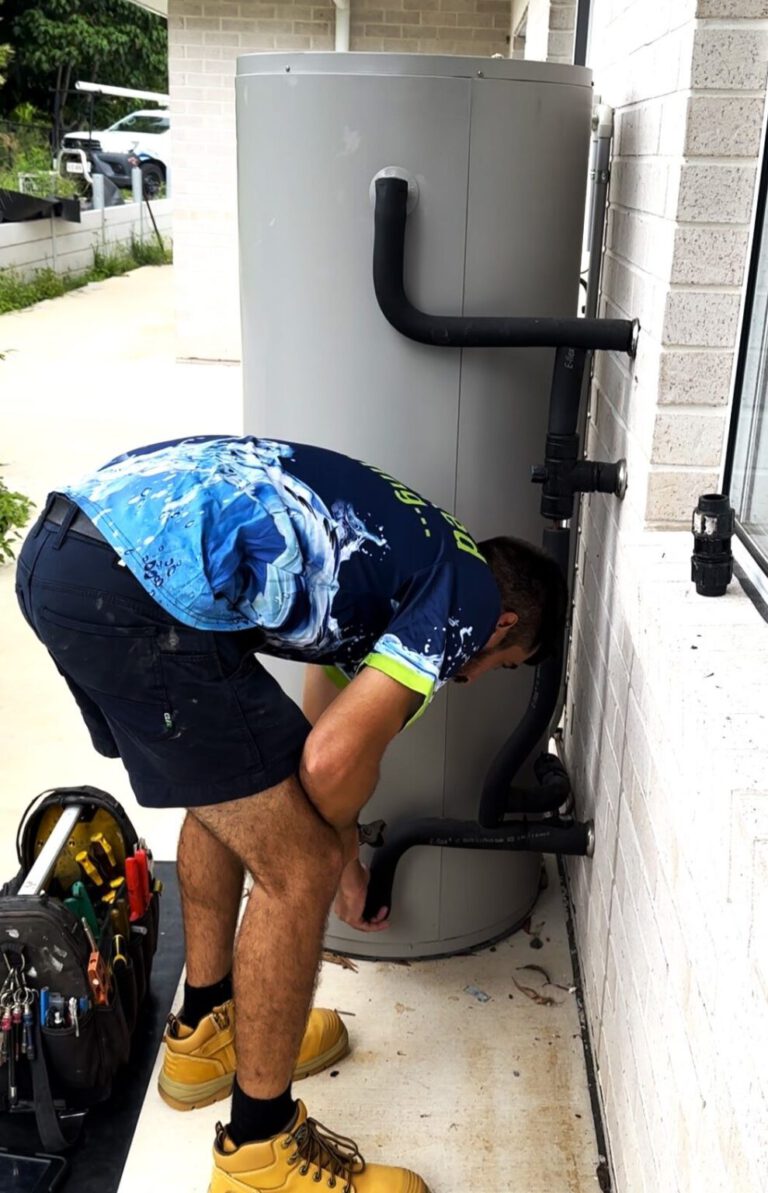
In Queensland, the typical cost for replacing a hot water system ranges from $1,400 to $4,500 for installation. Factors influencing the actual cost within this range include the type of system chosen, its capacity, the location on your property, and any compliance work required for the installation.
Many households often neglect their hot water system until it breaks down. This oversight can result in cold showers, leaks at the base of the tank, or unexpectedly high energy costs. This guide offers an overview of the average costs associated with various system types, the factors that affect pricing, and the compliance regulations for replacements in Queensland. If you would like to explore your options, our licensed hot water plumbers are available to assist residents in Caboolture, Morayfield, and the broader Moreton Bay area.
What Are the Installation Costs of a New Hot Water System in Queensland?
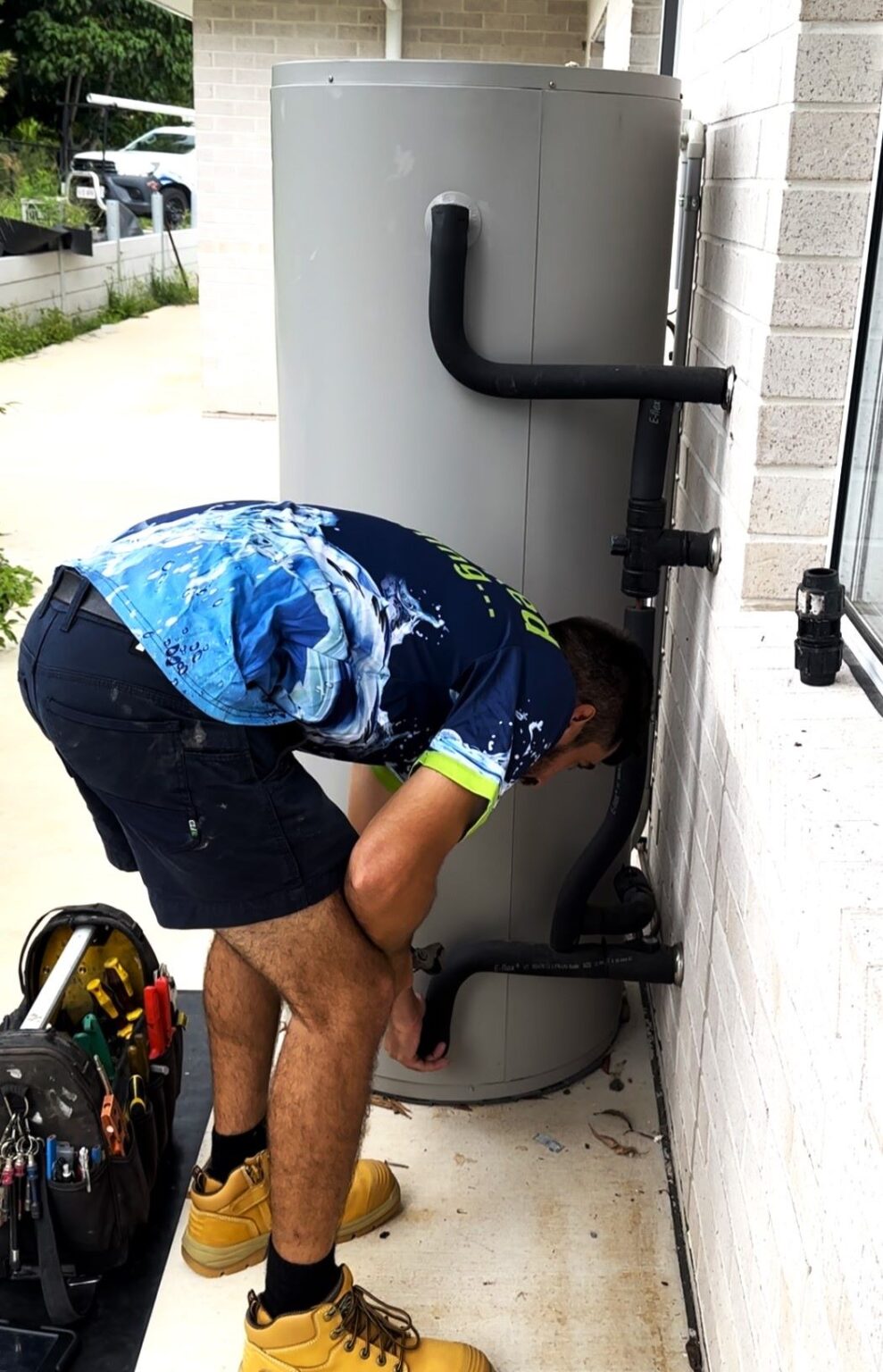
In Queensland, a straightforward replacement typically costs between $1,400 and $4,500, covering installation. Electric storage systems generally fall on the lower end of this price range, while solar hot water and heat pump systems are often more expensive. The table below presents a general pricing guide for different system types.
| System Type | Approx. Cost (Including Installation) |
|---|---|
| Electric Storage | $1,400 to $2,200 |
| Gas Storage | $1,600 to $2,500 |
| Continuous Flow Gas | $1,800 to $2,800 |
| Solar Hot Water | $3,000 to $4,500 |
| Heat Pump | $2,500 to $4,000 |
These prices serve as a general guide for Queensland and are not formal quotes. The final price for your home will be determined by the system you choose and the plumber’s findings during the on-site assessment. Always ask for a written quote post-inspection to ensure accurate budgeting for your replacement.
What Factors Impact the Cost of Hot Water System Replacement?
Several factors can influence the cost of replacing a hot water system. Understanding these elements before requesting quotes will make it easier to compare your options.
- Type of System: Options include electric, gas, continuous flow, solar, or heat pump systems, as detailed in the table above.
- Size: A larger tank or higher flow rate increases both the purchase price and must accommodate the number of users in your household.
- Location: The placement of the unit—whether inside or outside—and the accessibility for replacing the old system can affect costs.
- Changing System Types: Transitioning from electric to gas, solar, or heat pump systems may necessitate new plumbing, a gas connection, or a different unit location.
- Compliance Requirements: This includes a tempering valve and any documentation required by Queensland for new water heaters, which are detailed below.
Generally, a straightforward replacement of the same type and size in the same location is the most cost-effective option. Changing system types might incur higher initial costs but could lead to savings on running expenses over time, making it a worthwhile consideration before your existing system fails completely.
What Signs Indicate Your Hot Water System Needs Replacement?
In the Moreton Bay region, most storage tanks last between 8 to 12 years, so systems in this age bracket should be monitored closely. Look out for these signs indicating that the tank may be nearing the end of its operational life:
- The hot water is discoloured or rusty.
- The water temperature fluctuates during showers.
- Water is leaking from the tank or its connections.
- The system has surpassed 8 to 12 years of age.
- Your energy bills are rising without any increase in hot water usage.
- Your household size has expanded, leading to a quicker depletion of hot water.
Even if your tank is not currently leaking, consistently running out of hot water could indicate that the system is either undersized or failing to heat water effectively. For more insights, check our guide on the lifespan of various hot water systems.
How Do You Determine the Best Hot Water System for Your Home?
Choosing the right system depends on your household’s hot water consumption, the availability of gas connections, and the amount of roof or yard space you have. Each system type offers a unique balance of initial costs and ongoing operating expenses.
- Electric Storage: This option is easy to install, cost-effective, and reliable, but it usually incurs higher running costs compared to other alternatives.
- Gas Storage or Continuous Flow: Best suited for larger households with constant hot water needs, provided a gas supply is available.
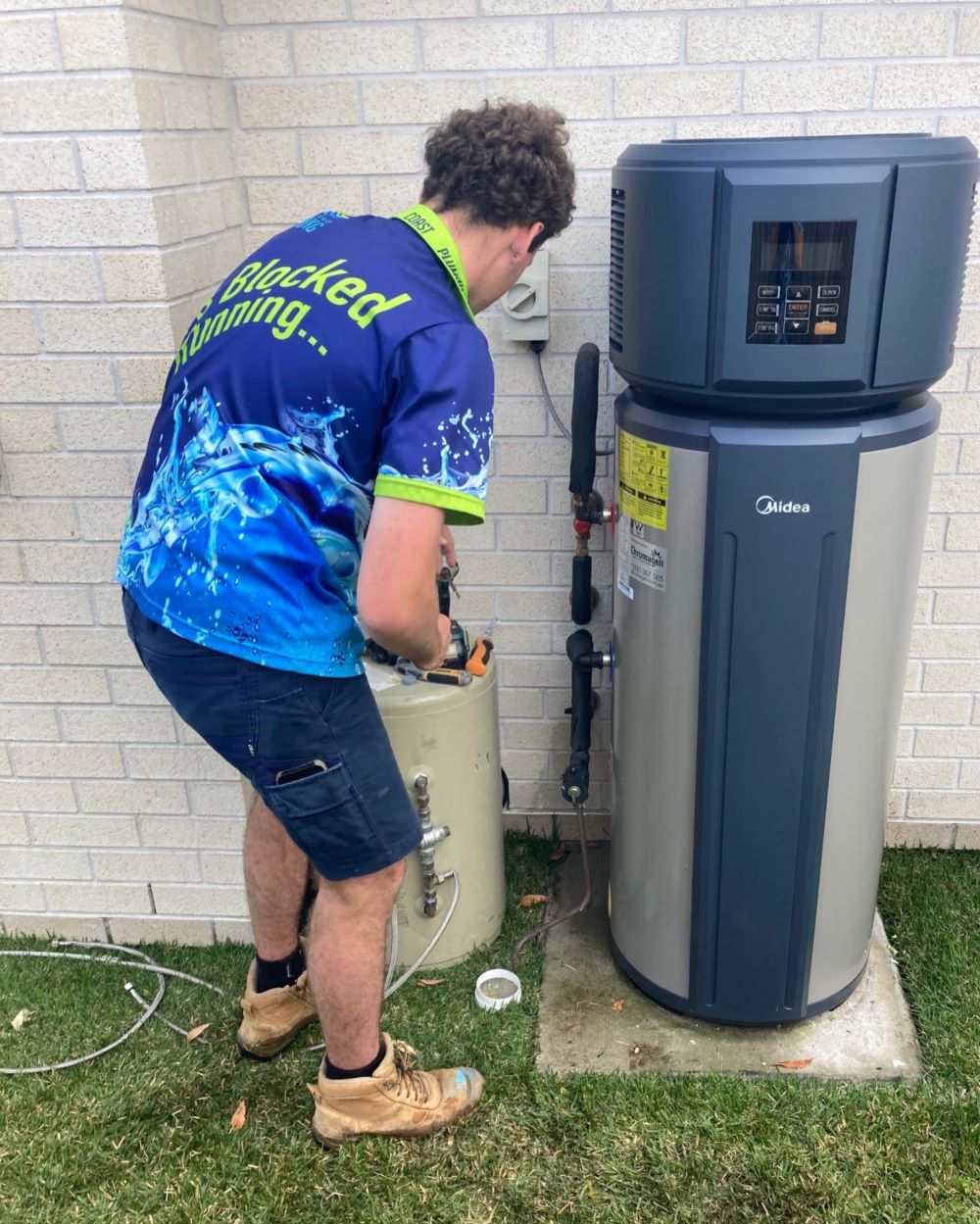
- Heat Pump: Known for energy efficiency and potential government rebates, but it requires sufficient space and good airflow.
- Solar Hot Water: Offers lower operating costs over time but needs an electric or gas booster for cloudy days and peak usage times. Many forget to budget for this booster.
Solar and heat pump systems may qualify for Small-scale Technology Certificates (STCs) under the federal Small-scale Renewable Energy Scheme. The Clean Energy Regulator identifies eligible systems, with the number of certificates issued based on your location and the installed system. You may also receive an upfront discount by assigning the rights to create these certificates to a registered agent. For a detailed comparison, refer to our guide discussing whether heat pumps are better than solar hot water systems.
During your quoting process, we help you assess system types to ensure your choice aligns with both your household’s needs and your budget.
What Compliance Regulations Must You Follow for Hot Water Replacement in Queensland?
All hot water replacements in Queensland must adhere to specific legal standards, which are included in the overall cost. The Plumbing and Drainage Act 2018 governs plumbing work in the state, requiring that a licensed plumber performs the replacement rather than attempting it as a DIY job.
Is a Tempering Valve Mandatory in Queensland?
Yes. According to Business Queensland, every new and replacement hot water system must incorporate a temperature control device that ensures hot water delivered at taps does not exceed 50°C. Water in a residential storage system must be heated to a minimum of 60°C to inhibit the growth of bacteria such as Legionella. The tempering valve adjusts the hotter stored water to a safe temperature at the taps, protecting children and elderly family members from burns.
What Is the Purpose of the Form 4 for a New Water Heater?
The installation of a new water heater is classified as notifiable work in Queensland. The Queensland Building and Construction Commission (QBCC) requires that the plumber document the work on a Form 4 within 10 business days of issuing the invoice and provide a copy to the property occupant. Keep this copy in your home records, as it confirms that the installation was performed and registered correctly.
Solar and heat pump systems have an additional requirement. Business Queensland states that these must be installed by a hot water installer who holds a solar and heat pump endorsement from the QBCC. If you’re curious about which plumbing tasks you can undertake yourself, refer to our guide on whether DIY plumbing is allowed in Queensland.
What Is the Average Timeframe for Hot Water System Replacement?
Most direct replacements can be completed within a single day, as our vehicles are stocked with common units and parts. Upgrading to a different type of system, such as moving from electric to solar or relocating a unit from indoors to outdoors, may take longer due to additional plumbing and compliance measures. We evaluate your setup before the installation day and provide an estimated timeframe for the work.
Which Hot Water Brands Are Installed by Our Team?
We install and service premium hot water brands, including:
- Rheem
- Rinnai
- Bosch
- Dux
- Thermann
Why Choose Creek to Coast Plumbing for Your Hot Water Replacement?
Creek to Coast Plumbing is a locally owned plumbing business based in Morayfield, specialising in the replacement of electric, gas, solar, and heat pump hot water systems for homes throughout Caboolture and Moreton Bay.
- We offer same-day replacements in many cases, as we carry common units and parts in our vehicles.
- Our expertise covers electric, gas, solar, and heat pump systems.
- We provide a transparent upfront price before commencing any work, ensuring a clean site upon completion.
- Our team consists of QBCC licensed plumbers who are fully insured and members of the Master Plumbers Association of Queensland.
- We service Caboolture, Moreton Bay, North Brisbane, and surrounding suburbs.
Frequently Asked Questions About Hot Water System Replacement in Queensland
Will I Be Without Hot Water for Long Periods During Replacement?
For most like-for-like replacements, the answer is no. The old unit is removed and replaced with the new one on the same day. Transitioning to a different system type may take longer, and we will inform you of the expected duration prior to scheduling the work.
Can I Upgrade the Tank Size When Replacing My Hot Water System?
Yes. If your household has grown or your hot water consumption has increased, a replacement is a perfect opportunity to upgrade to a larger tank or higher flow rate. We determine the appropriate size based on the number of occupants in your home and their hot water usage patterns, ensuring you no longer run out of hot water.
Are There Rebates Available for Solar or Heat Pump Hot Water Systems in Queensland?
Yes. Solar water heaters and air source heat pumps qualify for Small-scale Technology Certificates under the federal scheme administered by the Clean Energy Regulator. By transferring the rights to create these certificates to a registered agent, you might qualify for an upfront discount, and we assist you in claiming these benefits as part of the installation process.
Is Replacing a Hot Water System More Cost-Effective Than Repairing It?
While repairs may appear less expensive initially—especially if the tank itself is intact, such as when a thermostat or valve malfunctions—once leaks develop from the inner tank, a replacement becomes unavoidable. Our guide on leaking water heaters from the bottom element offers insights on how to differentiate between the two scenarios.
Are You Considering a New Hot Water System?
Contact Creek to Coast Plumbing or call 1300 793 962 to request a quote. We will assess your current system, provide a written estimate for the replacement, and efficiently install your new hot water system.
Original Article First Published At: How Much Does It Cost to Replace a Hot Water System in QLD? A 2026 Price Guide from Creek to Coast Plumbing
The Article: Cost to Replace a Hot Water System in Qld: 2026 Guide first appeared on https://writebuff.com
The post Cost to Replace Hot Water System in Qld: 2026 Overview appeared first on Limits Of Strategy.