Uncover the Transformative Effects of Augmented Reality on Product Try-On Experiences
Understanding Augmented Reality and Its Revolutionary Impact on the Shopping Experience
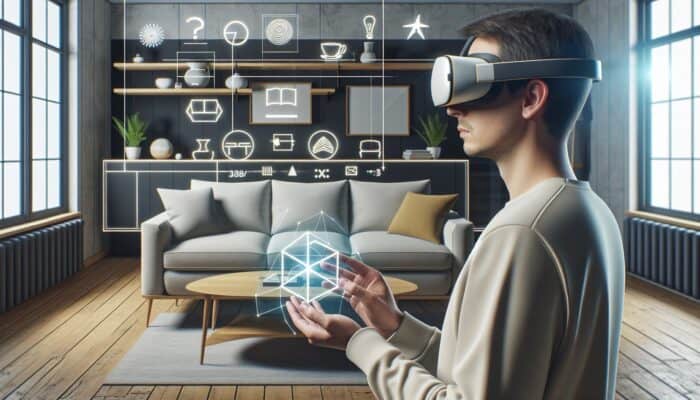
The functionality of Augmented Reality (AR) for virtual product try-on videos is a game changer in the retail sector. This advanced technology enhances real-world experiences by overlaying digital information and visuals onto physical surroundings, creating an immersive and interactive experience. As a result, AR is becoming increasingly popular across various industries, including retail, education, healthcare, and entertainment, enriching user interactions and making crucial information easily accessible. For example, AR allows customers to visualise how new furniture will fit into their homes or how shoes will appear on their feet, effectively eliminating the need for physical trials and fundamentally transforming the shopping process.
The core of AR technology lies in sophisticated devices equipped with advanced cameras and sensors that can detect and understand the surrounding environment. While using AR applications, users can manipulate and interact with virtual objects as if they were genuinely integrated into their reality. This unique capability enriches customer experiences, especially for applications focused on product try-ons, allowing for a seamless blend of the digital and physical worlds.
Are You Prepared to Embrace the Future of Shopping?

Discover the Extensive Advantages of Augmented Reality for Enhanced Product Try-Ons
The integration of AR technology into virtual product try-ons is transforming the online shopping landscape. A major advantage of adopting AR is the substantial increase in customer engagement. When consumers can visually place products within their environment or see how items would look on themselves, they are more likely to engage with those products, resulting in more informed purchasing decisions. This immersive experience leads to higher conversion rates, as customers gain confidence in their selections.
Moreover, AR try-ons significantly reduce return rates, a frequent challenge associated with traditional online shopping. Many returns occur due to unmet expectations regarding the appearance and fit of products. By leveraging AR technology, consumers can virtually try on items before purchasing, ensuring they choose products that meet their preferences. This capability not only lowers return costs but also boosts customer satisfaction, fostering long-term brand loyalty.
Explore the Crucial Technologies Powering Augmented Reality Experiences
A range of essential technologies converge to deliver the captivating experiences that AR offers. At the heart of AR technology lies computer vision, which enables devices to effectively interpret and understand real-world environments. When combined with depth-sensing technology, AR can accurately assess spatial relationships between virtual images and physical objects, ensuring that digital overlays align correctly from the user’s perspective.
Real-time rendering is essential for providing smooth and responsive AR experiences. This technology enables virtual elements to appear instantly, adjusting dynamically as users move or interact with them. The synergy of these technologies results in a seamless integration of digital and physical realities, creating an engaging experience for users across various platforms and devices.
Maximising Effectiveness of Your Augmented Reality Environment for Product Try-Ons

Identifying the Necessary Devices for Effective Augmented Reality Try-Ons
For effective implementation of AR in virtual try-ons, users need access to various hardware options. Primarily, devices must support AR technology, which includes smartphones, tablets, or AR glasses equipped with advanced cameras and sensors. These devices should meet specific performance standards to ensure optimal functionality of AR applications.
When selecting hardware, consider the following recommended models:
- Apple iPhone 12 and newer models
- Android smartphones with ARCore support, such as the Samsung Galaxy S21
- Microsoft HoloLens 2, specifically designed for enterprise applications
- Magic Leap One for cutting-edge AR experiences
It is essential to ensure that the chosen devices have sufficient processing power, high-quality cameras, and software compatibility to run AR applications smoothly. This guarantees users receive an engaging and informative AR experience that captivates their attention and encourages interaction.
Choosing the Best Software for Your Augmented Reality Projects
Selecting the right AR software is crucial for the success of your virtual try-on initiatives. The software should not only be user-friendly but also compatible with your chosen hardware. Look for solutions that offer customisation options, allowing you to tailor the AR experience to meet your brand’s unique requirements.
Seek software that supports a variety of AR functionalities, such as 3D modelling, animation, and real-time tracking. Some widely recognised AR software options include:
- Unity with Vuforia for personalised AR experiences
- Adobe Aero for straightforward AR design and implementation
- Blippar for creating engaging interactive AR content
- Wikitude for versatile AR development solutions
Prioritising software that provides strong support and comprehensive documentation can significantly ease the learning curve and implementation process, facilitating smoother integration into your workflow.
Establishing a Productive Workspace for Augmented Reality Try-Ons
Creating an appropriate workspace for AR try-ons is vital for delivering a high-quality user experience. Begin by ensuring the environment has adequate lighting, as poor illumination can negatively affect the perception of AR elements. Opt for natural light whenever possible; however, using soft diffused lighting can also help to minimise shadows and reflections that might disrupt the AR experience.
Maintain a clean and uncluttered background to prevent distractions that could detract from the AR application. Additionally, ensure your workspace has stable internet connectivity, which is crucial for downloading assets and ensuring seamless interactions during the try-on process. Testing the AR application in various settings will help identify the ideal conditions for achieving optimal performance.
Creating Your First Engaging Augmented Reality Try-On Video
Effective Techniques for Capturing High-Quality Augmented Reality Footage
To produce high-quality footage for AR try-ons, focus on several critical aspects of video capture. Use appropriate lighting to ensure that products are well-lit and clearly visible. Experiment with various lighting setups, such as three-point lighting, to enhance visibility and reduce shadows that can obscure details.
Stabilising your camera is another essential consideration. Employ a tripod or gimbal to maintain steady shots and prevent shaky footage, as this can disrupt the user’s experience. Additionally, pay attention to the background by choosing neutral settings that won’t compete with the product being showcased. This clarity allows the AR elements to stand out without distractions, enhancing the overall effectiveness of the video.
Strategies for Seamlessly Integrating Augmented Reality into Your Video Content
Incorporating AR elements into your video requires software that facilitates the overlay of digital components onto your footage. This process begins by importing your recorded video into your chosen AR software. From this point, you can strategically position digital objects to align with real-world items in the footage, ensuring they appear natural and cohesive.
Be attentive to factors such as scale and perspective; the AR elements should correspond in size and viewpoint to real-world objects. Testing the integration across various devices is also vital to ensure consistency in how users perceive the AR elements, as discrepancies can lead to confusion or disengagement, ultimately impacting the overall effectiveness of your video.
Editing and Finalising Your Augmented Reality Try-On Video for Maximum Impact
Once you have captured and integrated your AR elements, the next step is to edit your video. This process involves trimming unnecessary footage, adding transitions, and refining the overall flow of the video to ensure a seamless experience. Ensure that AR elements are smoothly blended with live-action footage, providing a harmonious and engaging experience for viewers that keeps their attention throughout.
Utilising video editing software that allows for fine-tuning both audio and visual elements is key. Consider adding text overlays or calls to action that encourage users to engage further with the products featured. A well-edited video not only captures attention but also effectively communicates your brand message and enriches the user experience.
Selecting the Most Appropriate Augmented Reality Software for Video Projects
When choosing AR software for your video projects, assess your specific needs against the available options to identify the best fit. The right software should provide intuitive tools for creating and managing AR content while offering robust analytics capabilities to track engagement and performance. Look for platforms that support a range of AR functionalities, as this flexibility can significantly enhance your creative opportunities.
Some essential features to consider include the ability to create interactive elements, import 3D models, and integrate real-time effects. Additionally, confirm that the software offers comprehensive support and documentation to assist you in navigating any challenges that may arise during the creation process. Investing in high-quality AR software will streamline your workflow and elevate the effectiveness of your virtual try-on videos.
Rigorous Testing and Refining Your Augmented Reality Try-On Experience
Testing your AR try-on video across various devices is critical for ensuring functionality and visual quality. Start by viewing the video on a variety of smartphones and tablets to evaluate how well the AR elements perform across different platforms. Pay close attention to loading times, responsiveness, and overall user experience to identify potential areas for improvement.
Gathering feedback from users who interact with the AR try-on experience is invaluable for pinpointing areas that require enhancement and refining the AR elements. Consider conducting A/B tests to ascertain which versions of the video resonate best with your audience. Continuous refinement based on user data will help you create an engaging and effective AR try-on experience that meets and exceeds customer expectations.
Proven Strategies for the Successful Implementation of Augmented Reality in Virtual Product Try-On Videos
The Essential Elements of an Effective Augmented Reality Try-On Experience
An effective AR try-on experience is characterised by a blend of realism, interactivity, and user-friendliness. Users should feel as if they can genuinely experience the product within their own space, whether they are trying on clothing, glasses, or makeup. Achieving this realism involves ensuring accurate sizing and realistic rendering of products. As AR technology advances, the visual fidelity of virtual items continues to improve, making them appear increasingly lifelike and appealing to users.
Interactivity is another vital component of effective AR try-ons. Users should be able to engage with the product, altering colours, styles, or sizes, allowing for a personalised experience that fosters deeper connections with the products. This level of engagement is essential for maintaining user interest and encouraging further exploration of options. Successful examples include cosmetic brands that offer AR try-ons, enabling users to switch shades of lipstick or eyeshadow with simple gestures, making the experience both realistic and enjoyable.
Effective Methods for Measuring the Success of Augmented Reality Try-Ons
Measuring the success of AR try-ons involves tracking various metrics that indicate user engagement and conversion rates. Key performance indicators (KPIs) include the number of try-ons initiated, user retention rates, and ultimately, the conversion rates generated from AR interactions. Utilising analytics tools can help gather comprehensive data to assess the impact of your AR implementation, providing insights into user behaviour and satisfaction.
Customer feedback is another crucial aspect of measuring success. Surveys and reviews provide valuable insights into user satisfaction, allowing you to make informed adjustments to the AR experience. Establishing a baseline of metrics before launching your AR try-on will enable you to compare pre- and post-implementation data, offering a clearer picture of the AR’s effectiveness. Continuous monitoring of these metrics will guide future enhancements and ensure your AR strategy remains aligned with customer expectations.
Insights from AR Experts on Crafting Engaging Try-Ons
Experts in augmented reality stress the importance of prioritising user experience throughout the development of AR try-ons. High-quality visuals are crucial, as users are more likely to engage with realistic, well-rendered products. Additionally, staying current with the latest AR technologies and trends is vital, given the rapid evolution of the field.
Being informed can differentiate your AR offerings from those of competitors. Explore emerging trends, such as AI-driven features that enhance personalisation and advancements in motion tracking, which contribute to more immersive experiences. AR specialists recommend regularly updating your AR content to maintain its freshness and appeal, ensuring users return to discover new features and offerings.
Maximising User Engagement with Augmented Reality
Key Features That Boost User Engagement in Augmented Reality Try-Ons
To elevate user engagement in AR try-ons, a variety of key features can be implemented. Incorporating interactive elements such as virtual buttons or sliders allows users to customise their experience, further immersing them in product presentations and enhancing their overall satisfaction. Real-time feedback mechanisms, such as instant visual changes or auditory cues, make the experience feel dynamic and responsive, keeping users engaged.
Furthermore, integrating social sharing options encourages users to share their AR experiences on social media, promoting your brand organically. Personalisation features, such as allowing users to save their favourite try-ons or create wish lists, can foster a deeper connection with the products. Some essential engagement features to consider include:
- Real-time customisation options
- Social media sharing capabilities
- Interactive tutorials for product usage
- Augmented elements that respond to user input
Investing in these engaging features not only enhances the user experience but also increases the likelihood of conversions and brand loyalty among customers, ultimately driving sales growth.
Strategies for Personalising the Augmented Reality Try-On Journey
Personalising the AR try-on experience can greatly enhance user satisfaction and engagement. Allowing users to input their measurements, such as body dimensions or facial features, enables a more accurate representation of how products will fit them. This tailored approach helps eliminate uncertainties regarding size and style, fostering confidence in purchasing decisions.
Moreover, offering customisable options, such as colour variations or tailored suggestions based on user preferences, enriches the experience significantly. Users can visualise products in various contexts by applying AR filters that simulate different environments, making the experience relatable and enjoyable. By providing this level of personalisation, brands can forge a deeper connection with their customers and encourage multiple interactions, ultimately leading to higher satisfaction.
Ensuring Accessibility in Augmented Reality Try-Ons for All Users
Accessibility in AR try-ons involves creating an inclusive experience for users with diverse abilities. Designing solutions that consider users with visual or motor impairments is critical. Implementing features like voice commands simplifies navigation for users who struggle with touch interfaces, thereby allowing broader access to the AR experience.
In addition, incorporating haptic feedback can enhance interaction for users with visual impairments, providing physical sensations that correspond to their actions within the AR environment. Conducting user testing with individuals of varying abilities can help identify potential barriers and improve the overall accessibility of your AR try-ons. By ensuring that your AR experience is welcoming to all users, you not only broaden your audience but also demonstrate your brand’s commitment to inclusivity.
Effective Marketing Strategies for Your Augmented Reality Try-On Videos
How to Successfully Promote Your Augmented Reality Try-Ons to Your Target Audience
Effectively promoting AR try-ons involves leveraging multiple channels to reach your target audience. Start by utilising social media platforms to showcase the unique advantages of AR try-ons, such as interactivity and personalisation. Create visually appealing posts and videos that highlight real-life applications of your AR try-ons, encouraging users to engage and share their experiences.
Email marketing can also serve as a powerful tool for promoting your AR try-ons. Craft compelling newsletters that inform subscribers about new products and features, inviting them to explore your AR offerings. Additionally, ensure your website features dedicated sections for AR try-ons, making it easy for visitors to access and engage with this innovative shopping experience. Employing a mix of promotional strategies will maximise reach and attract a broader audience to your AR initiatives.
Integrating Augmented Reality into Your Comprehensive Sales Strategy
Incorporating AR try-ons into your sales strategy can significantly enhance customer confidence in their purchases. By embedding AR experiences directly onto product pages, potential buyers can visualise how items will look and fit before making a decision. This integration not only boosts customer satisfaction but can also lead to increased conversion rates, making your offerings more appealing to consumers.
Moreover, consider incorporating AR try-ons into marketing campaigns that feature special promotions or events, encouraging users to engage with your AR offerings. Brands that strategically position AR try-ons as essential components of their sales strategy will likely see improved engagement and overall sales performance, driving growth in a competitive market.
Measuring the Effectiveness of Your Augmented Reality Marketing Efforts
To evaluate the impact of your AR marketing initiatives, focus on tracking key metrics that provide insights into user behaviour and satisfaction. Metrics such as click-through rates, conversion rates, and customer satisfaction ratings can reveal how effectively your AR try-ons resonate with users. Utilise analytics tools to gather comprehensive data on user interactions, identifying patterns that inform future strategies and improvements.
Understanding these metrics will enable you to refine your marketing approach, enhancing your AR content and messaging based on real-world performance. Continuous measurement and adjustment are essential for optimising the effectiveness of your AR marketing and ensuring it aligns with customer expectations, ultimately driving business success.
Leveraging Influencer Partnerships to Amplify Your AR Try-Ons
Collaborating with influencers can significantly enhance the visibility and credibility of your AR try-ons. Influencers often possess established trust with their followers, making them effective advocates for your brand. Select influencers whose audience aligns with your target market to ensure their followers are likely to be interested in your products and AR experiences.
Influencers can create engaging content featuring your AR try-ons, showcasing how they use and enjoy your products in their daily lives. This authentic representation can lead to increased interest and engagement from their followers. Additionally, consider hosting live sessions or interactive events where influencers demonstrate your AR try-ons, allowing for real-time interaction and feedback from the audience, further enhancing brand engagement.
Optimising Augmented Reality Try-Ons for Mobile Devices
To maximise the reach of your AR try-ons, ensuring they are optimised for mobile devices is essential. Given that a significant portion of users accesses online content via smartphones and tablets, your AR experiences must be responsive and user-friendly on these platforms. Focus on optimising load times to ensure that AR elements function smoothly across various screen sizes and resolutions, providing a seamless experience for users.
Catering to mobile users also involves simplifying navigation and enhancing the overall user experience. Utilise touch-friendly interfaces and minimise the number of steps required to initiate a try-on. A seamless mobile experience will increase user engagement and encourage repeat interactions with your AR offerings, ultimately enhancing brand loyalty and customer satisfaction.
Addressing Technical Challenges in Augmented Reality
Identifying Common Technical Issues in Augmented Reality Try-Ons
Common technical issues encountered during AR try-ons include latency, tracking errors, and software compatibility challenges. Latency can lead to sluggish experiences, frustrating users as they interact with AR elements. Tracking errors may result in inaccurate placements of virtual objects, diminishing the realism of the experience and potentially leading to user disengagement.
Software compatibility issues can arise when AR applications do not function optimally across various device types or operating systems. Understanding these challenges is the first step towards addressing them effectively. Regular testing across different environments and devices can help identify potential problems, enabling timely adjustments to enhance performance.
Strategies for Overcoming Hardware Limitations in Augmented Reality
Hardware limitations can significantly impact the effectiveness of AR try-ons, particularly when devices lack the necessary processing power or camera capabilities. To overcome these limitations, select devices that are optimised for AR applications, ensuring they possess the right specifications for smooth operation. Encourage users to utilise newer devices when possible, as older hardware may not support advanced AR features adequately.
Additionally, optimising your AR software to run efficiently even on lower-spec devices can broaden accessibility. Employing techniques such as reducing polygon counts in 3D models can help maintain performance without sacrificing quality. By proactively addressing hardware limitations, you can enhance user experiences and ensure broader accessibility for AR try-ons, making them available to a wider audience.
Ensuring Consistent and Smooth Performance in Augmented Reality
Regular maintenance and updates are crucial for ensuring smooth AR performance. Keeping your software up to date allows you to leverage the latest improvements and features, thereby enhancing the user experience. Routine testing on various devices helps identify issues and ensure compatibility across platforms, maintaining a high standard of quality.
Optimise your AR application for speed and reliability by simplifying the rendering process and employing efficient coding practices. Regularly assess user feedback to identify pain points and implement necessary adjustments. By prioritising performance, you can create a seamless and engaging AR experience that keeps users coming back for more, ultimately enhancing user satisfaction and brand loyalty.
Anticipating Future Innovations in Augmented Reality for Try-Ons
Exploring Innovations Set to Transform Augmented Reality Try-Ons in the Future
The future of AR for try-ons is poised to be shaped by several exciting innovations. One significant trend is the development of more realistic rendering techniques that enhance the visual fidelity of virtual products. As graphics technology advances, users will enjoy products that appear increasingly lifelike and true to their physical counterparts, greatly enhancing the shopping experience.
Furthermore, emerging technologies like AI-driven personalisation will enable brands to tailor AR experiences to individual user preferences and behaviours. This level of customisation promises to enhance user engagement and satisfaction, making the shopping experience even more immersive and enjoyable. Other advancements, such as integration with virtual reality (VR) and the Internet of Things (IoT), may provide richer, multi-faceted experiences for users, broadening the scope of AR applications in retail and beyond.
The Essential Role of Artificial Intelligence in Augmented Reality Try-Ons
AI plays a pivotal role in enhancing AR try-ons by enabling personalised recommendations and real-time adjustments to virtual products. By analysing user data, AI can suggest items that align with their preferences and past interactions, maximising relevance and improving the overall shopping experience. This personalisation can lead to increased conversion rates, as users feel a stronger connection to the products being presented.
Additionally, advancements in AI-driven tracking enhance the accuracy of AR experiences, ensuring that virtual elements align correctly with their real-world counterparts. This precision can enhance the realism of try-ons, making them more engaging for users. As AI technology continues to evolve, its integration with AR will likely lead to even more sophisticated and intuitive shopping interactions that resonate with users.
Preparing for Future Developments in Augmented Reality
To prepare for future advancements in AR technology, staying informed about innovations and trends is essential. Investing in research and development can help brands remain at the forefront of AR advancements, enabling them to adapt their strategies to align with emerging technologies. Engaging with industry experts, participating in relevant conferences, and keeping up-to-date with technology news can provide valuable insights into the direction of AR in retail and other sectors.
Moreover, fostering a culture of experimentation within your organisation encourages innovation. Testing new AR features and applications can yield valuable insights and help refine your offerings to meet the evolving demands of consumers. By being proactive and adaptable, brands can capitalise on the future of AR and maintain a competitive edge in the market.
Success Stories and Case Studies in Augmented Reality
Examining How Leading Brands Have Successfully Implemented Augmented Reality Solutions
Numerous brands have effectively harnessed AR technology to enhance customer engagement and drive sales. For instance, beauty brands like Sephora have implemented AR try-ons that enable customers to apply makeup virtually through their mobile app. This innovative approach has led to increased customer interaction and significantly improved conversion rates, showcasing the power of AR in enhancing the shopping experience.
Another notable success story is IKEA, which introduced the IKEA Place app, allowing users to visualise how furniture fits into their spaces using AR. This user-friendly tool has led to enhanced customer satisfaction and a decrease in product returns, demonstrating how AR can have a tangible impact on sales and brand loyalty.
Evaluating the Impact of Augmented Reality on Sales Performance
Analysing the impact of AR on sales necessitates a close examination of data before and after implementation. Brands integrating AR into their strategies often report significant improvements in key metrics. These enhancements encompass increased conversion rates, higher average order values, and improved customer retention.
- Conversion rates can increase by up to 30%
- Return rates can decrease by 20% or more
- Average order value can rise by 15% on AR-enhanced product pages
- Customer engagement metrics improve, leading to longer site visits
These metrics exemplify the positive impact of AR on sales, underscoring the importance of adopting innovative technologies to meet customer expectations and drive business growth.
Key Insights from Augmented Reality Implementations
Lessons learned from implementing AR in retail highlight the importance of user feedback and iterative improvement. Many brands discovered that early versions of their AR offerings required refinement based on user interactions and preferences. Gathering feedback through surveys and user testing can provide critical insights into the effectiveness of AR applications.
Continuous improvement is essential to ensuring that AR experiences remain engaging and relevant. Investing in high-quality AR experiences pays dividends, as users are more likely to return to platforms that offer seamless and enjoyable interactions. Embracing a mindset of learning and adaptation will enable brands to capitalise on the evolving landscape of AR technology.
Frequently Asked Questions About Augmented Reality Try-Ons
What is augmented reality in product try-on videos?
Augmented reality in product try-on videos uses digital overlays to enable users to visualise products in their real-world environment, enhancing the shopping experience through interactivity and realism.
How does AR reduce return rates?
AR reduces return rates by enabling customers to try on products virtually, ensuring they make informed decisions about fit and style before purchasing, thereby minimising mismatches between expectations and reality.
What hardware is necessary for AR try-ons?
For AR try-ons, devices such as smartphones, tablets, or AR glasses equipped with cameras and sensors are required. Devices must support AR software for optimal performance.
Which AR software is recommended for beginners?
Beginner-friendly AR software options include Adobe Aero for straightforward design and Unity with Vuforia for customisable experiences. Both provide robust support and documentation to facilitate learning.
How can I measure the success of AR try-ons?
Success can be measured by tracking key metrics, including user engagement, conversion rates, and customer feedback. Analytics tools can yield valuable insights into user interactions and satisfaction.
What key features enhance user engagement in AR?
Key features that boost engagement include interactive elements, real-time customisation options, social sharing capabilities, and instant feedback mechanisms, all of which enhance the overall experience.
How can I optimise AR try-ons for mobile devices?
To optimise AR try-ons for mobile, ensure responsive design, minimise load times, and simplify navigation for touch interfaces, creating a seamless experience for users on smartphones and tablets.
What common technical issues occur in AR try-ons?
Common technical issues include latency, tracking errors, and software compatibility challenges. Understanding these issues helps identify effective solutions to enhance the user experience.
What future trends can we anticipate in AR for try-ons?
Future trends include advancements in realistic rendering, AI-driven personalisation, and integration with VR and IoT technologies, promising to enrich the overall user experience in AR applications.
How have brands successfully utilised AR technology?
Brands like Sephora and IKEA have effectively leveraged AR technology in their try-on experiences, resulting in increased customer engagement, higher conversion rates, and reduced return rates.
Explore our world on X!
The Article How to Use AR for Virtual Product Try-On Videos: A Guide was first published on https://marketing-tutor.com
The Article AR for Virtual Product Try-On Videos: Your Essential Guide Was Found On https://limitsofstrategy.com
References:
https://berwicktestandtag.com.au/ar-for-virtual-try-on-videos-the-essential-guide/