
When considering their child’s vision, parents often focus solely on eyesight.
Can they clearly see the board in class? Are they comfortable reading? Do they need glasses?
While these inquiries are undoubtedly important, a child’s vision entails much more than just clarity. It also includes the movement of the eyes, the ability to focus, the coordination between both eyes, and how the brain interprets visual information.
A typical eye test may not fully capture how effectively a child uses their vision.
At Eyes by Design, Dr Nicholas Altuneg (Dr Nick) often reminds parents that children rely on their visual systems for far more than merely seeing distances clearly. Vision plays a vital role in learning, reading, concentration, and coordination. This may help explain why some children experience difficulties at school, even when their eyesight appears satisfactory.

Exploring the Intricate Link Between Vision and Learning
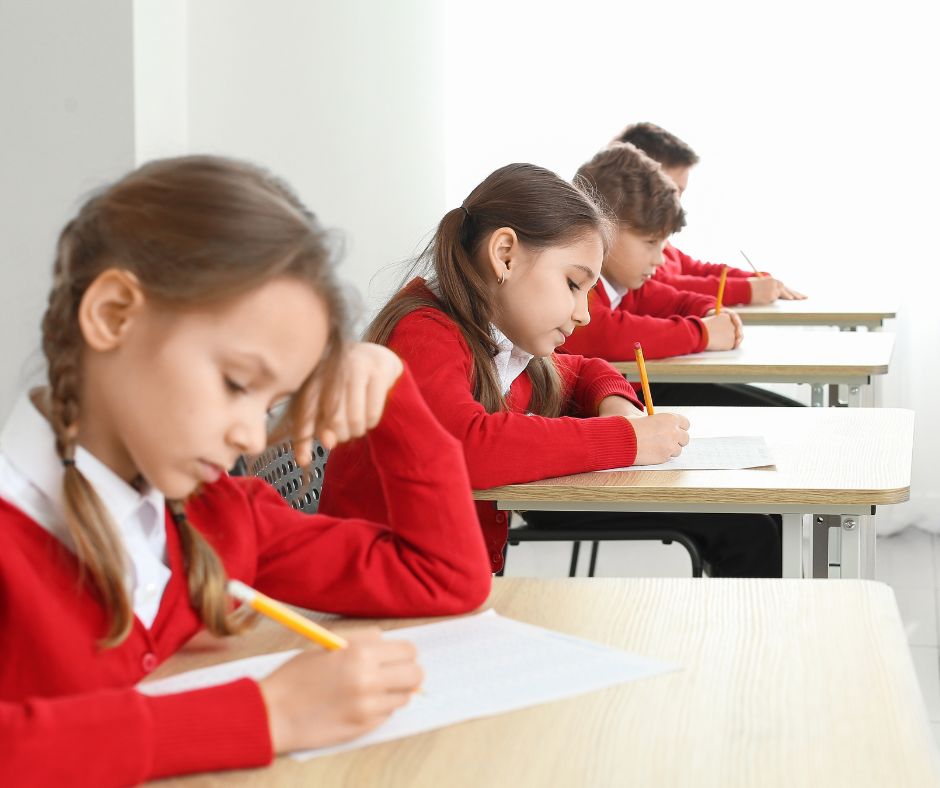
Children use their vision extensively throughout the school day.
Activities such as reading, writing, copying from the board, using tablets, and engaging in classroom discussions heavily depend on well-developed visual skills. Educational researchers indicate that a significant portion of classroom learning is inherently visual.
For effective learning, various visual competencies must function in harmony. Children need to maintain a clear focus while reading, smoothly track words across a page, and coordinate both eyes to provide the brain with a unified, steady image. They should also be able to shift their gaze efficiently between close tasks, such as reading, and distant tasks, like observing the classroom board.
When these skills operate effectively, reading and learning feel effortless. if they do not, a child may have clear eyesight but still experience frustration, fatigue, or difficulty concentrating during visually demanding activities.

Why Clear Vision Does Not Equate to Effective Visual Function
A common misconception is that if a child can read the letters on an eye chart, their vision is adequate.
While distance clarity is essential, it does not encompass all aspects of visual function. Some children may see clearly at a distance but struggle with prolonged near focus, accurate eye movements, or stable coordination. These difficulties may not always be easily recognised by parents and teachers as vision-related issues.
Dr Nick frequently points out to parents that vision consists of more than the ability to see. It also encompasses how comfortably and efficiently children use their eyes over extended periods.
What Are the Warning Signs That Vision Might Be Affecting Learning?
Children often do not recognise when they are experiencing vision problems. Instead of voicing their discomfort, they may adapt their behaviour to cope.
Parents and teachers might notice behavioural signs such as:
- avoiding reading or homework
- losing their place while reading
- using a finger to track words
- experiencing headaches after school
- having a short attention span during close work
- holding books excessively close
- skipping words or lines while reading
These behaviours can stem from various causes, but in some cases, they relate to visual skills that deserve further examination.
The Essential Importance of Comprehensive Eye Exams for Children
Given that children rely on their vision for learning and development, an eye examination should assess more than just distance vision.
A thorough eye examination for children may include assessments of focusing ability, eye coordination, tracking skills, and visual processing. These factors significantly influence how easily a child can maintain attention during reading or classroom activities.
At Eyes by Design, the focus is on understanding how a child’s visual system operates, rather than merely determining if they need glasses. This comprehensive approach helps identify whether visual issues may be contributing to learning difficulties or visual fatigue.
Ensuring Optimal Lens Design and Frame Fit for Children’s Glasses
When children are prescribed glasses, ensuring comfort and stability is crucial.
Children are energetic and active, frequently transitioning between reading, viewing the board, using screens, and engaging in play. Their glasses must be both durable and effective across various situations.
Dr Nick advises parents that children’s glasses should receive the same level of attention in design and fitting as adult eyewear. The lenses must meet the child’s visual needs, while the frame should offer stability and comfort throughout the day.
At Eyes by Design, this means focusing not only on the prescription but also on the lens design and ensuring that the selected frame fits the child’s face correctly. Accurate measurements and adjustments guarantee that the glasses remain comfortable and effective as the child learns, reads, and explores their environment. For many families, this careful attention to detail facilitates smoother adaptation and enhances the child’s confidence in wearing their glasses.
Striving for Excellence in Children’s Vision Care
At Eyes by Design, the guiding philosophy for children’s vision care embodies the overall ethos of the practice: Vision, Done Properly.
This perspective involves looking beyond basic visual acuity to understand how the visual system functions in practical contexts like reading, learning, and play.
Dr Nick collaborates closely with families to comprehend how their child interacts with their vision. He underscores how personalised eye care, thoughtfully selected lenses, and well-fitted frames can foster comfortable visual development.
Nurturing Confident Vision as Children Grow
As children develop, their visual needs evolve throughout their education.
Regular eye examinations facilitate early detection and appropriate intervention for any changes in vision or visual function.
For many families, recognising how vision impacts learning is a crucial step toward helping their child feel more confident and comfortable in the classroom.
At Eyes by Design, Dr Nick and the team assist children in establishing strong visual foundations that enhance learning, coordination, and daily activities.
Common Questions Regarding Children’s Vision Care
When Should a Child Have Their First Eye Examination?
Many children benefit from having their vision assessed before starting school or even earlier if parents or teachers have any concerns.
Can Children Have Vision Problems Even If Their Sight Seems Clear?
Yes. Some children may have clear eyesight yet face challenges with focusing, coordinating their eyes, or tracking, which can impede their reading and learning.
Can Glasses Help Address Reading Difficulties?
If a vision issue contributes to reading challenges, glasses or other visual aids may improve comfort and efficiency while reading.
Original Article First Published At: Why Children’s Vision Needs More Than a Standard Eye Test
The Article: Children’s Vision: Beyond a Standard Eye Test first appeared on https://writebuff.com
The post Children’s Vision: Exploring More Than Just Eye Tests appeared first on Limits Of Strategy.
References:
Children’s Vision: Beyond Basic Eye Tests and Health Insights