Ultimate Resource for Exploring Debt Consolidation Solutions in the UK
Understanding Debt Consolidation: A Game-Changer for Your Financial Health
Debt consolidation is an essential financial strategy that allows individuals to merge multiple debts into a single, manageable loan, significantly streamlining their repayment process. This method often results in a substantially lower interest rate compared to the original debts, which makes monthly repayments more manageable and less burdensome. In the UK, a considerable number of individuals turn to debt consolidation as a means to improve their financial standing and ease the stress of managing various monthly payments. By consolidating their debts, individuals can focus on making just one regular payment each month, which can drastically reduce financial anxiety and enhance budgeting skills, ultimately leading to a more stable and secure financial future.
The main aim of debt consolidation is to provide clarity regarding one’s financial commitments. Instead of juggling multiple creditors, each with their own repayment terms, individuals can consolidate their debts into one manageable commitment. This shift not only simplifies personal finances but also empowers individuals to regain control over their financial lives. However, it is crucial to carefully review the conditions of the new loan to ensure that it does not inadvertently extend the repayment period or increase the overall interest paid over time, potentially negating the benefits of consolidation.
Step-by-Step Overview of the Debt Consolidation Process in the UK
In the UK, the debt consolidation process typically involves securing a new loan specifically intended to pay off existing debts. This new financial product can be sourced from a range of institutions, including banks, credit unions, and various financial entities. It is vital for borrowers to diligently evaluate the terms and conditions associated with this new obligation. Generally, the first step involves a thorough assessment of one’s current financial situation, which includes the total amount of debt owed, interest rates, and ongoing monthly repayment commitments that need to be considered.
After assessing their total debt burden, individuals can approach multiple lenders to explore their options. Numerous lenders throughout the UK offer personal loans designed for debt consolidation, often featuring interest rates that are lower than those associated with the debts being settled. Once an appropriate loan is secured, the funds are used to pay off all outstanding debts, effectively consolidating them into one loan. It is essential for borrowers to make timely payments on this new loan to avoid any negative impact on their credit scores and overall financial health.
Key Benefits of Debt Consolidation for UK Residents
For many individuals in the UK, debt consolidation proves to be a powerful tool for improving financial management strategies. One of the most significant benefits is the potential for lower interest rates, which can translate into smaller monthly payments and considerable overall savings. With reduced monthly financial obligations, individuals may find it significantly easier to meet payment deadlines, thereby alleviating the anxiety commonly associated with financial pressures and uncertainties.
In addition to lower payments, debt consolidation greatly simplifies the repayment process. Instead of keeping track of multiple due dates and varying payment amounts, borrowers can concentrate on making a single payment. This simplification encourages better financial organisation and allows individuals to allocate their resources more efficiently. Furthermore, successfully managing a debt consolidation loan can positively impact a borrower’s credit score over time, especially when they consistently adhere to their payment schedules.
- Streamlined financial management
- Opportunity for lower interest rates
- Improved credit score through timely payments
- Decreased monthly payment amounts
- Reduced financial stress
Understanding the Risks and Considerations of Debt Consolidation in the UK

Despite its numerous advantages, debt consolidation may not be the ideal solution for everyone. A notable risk is the potential for extending the loan term, which could lead to paying more in interest over time. Borrowers must exercise caution and not automatically assume that a lower monthly payment indicates an improved financial situation; it is essential to assess the total cost of the consolidation loan in comparison to the debts being repaid to ensure it is a prudent financial decision.
Another critical factor to consider is the possible impact on credit scores. While debt consolidation can enhance credit ratings in the long run, the process may momentarily lower a borrower’s score due to a new credit inquiry and shifts in outstanding balances. It is equally important to ensure that the terms of the new loan are favourable; some lenders may impose hidden fees or inflated interest rates that could undermine the expected savings from consolidation.
- Possible increase in total interest paid
- Temporary decline in credit scores
- Hidden fees from lenders
- Risk of accumulating new debt
Tackling the Challenges of Bad Credit in the UK
How Bad Credit Affects Loan Applications in the UK
Having bad credit can severely impede loan applications in the UK, as lenders often view these individuals as higher financial risks. Consequently, securing loans can become significantly more challenging, frequently resulting in higher interest rates or outright rejections. A poor credit history typically reflects missed payments, defaults, or excessive existing debt levels, which can dissuade lenders from approving loans or compel them to impose unfavourable conditions.
Common factors contributing to bad credit in the UK include elements such as late payments on credit cards or loans, defaults on past loans, high credit utilisation ratios, bankruptcy, and even simple administrative errors in credit reports. Understanding these contributing factors can help individuals pinpoint areas for improvement and take proactive steps to enhance their credit standing.
- Late payments on financial agreements
- Defaults or accounts in collections
- High credit utilisation ratios
- Previous bankruptcies
- Errors in credit reports
The Complications of Debt Consolidation for Individuals with Bad Credit
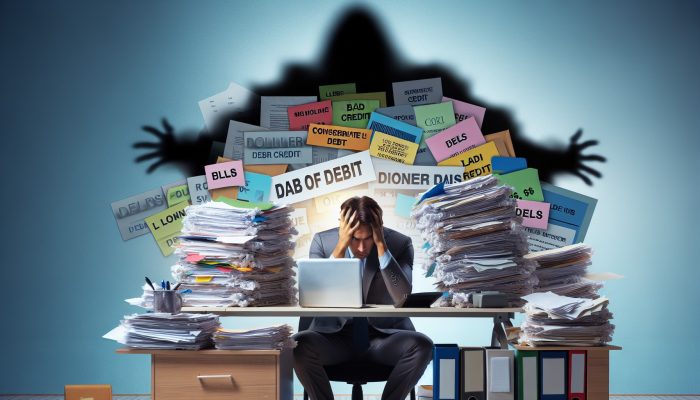
Experiencing bad credit can significantly complicate the debt consolidation process, as individuals typically have fewer lending options available to them. When seeking a consolidation loan, those with bad credit may encounter higher interest rates and more stringent repayment conditions compared to their peers with better credit ratings. This disparity can discourage individuals from pursuing consolidation, even when it may provide relief from their financial hardships.
Additionally, the lack of favourable borrowing options may compel individuals to resort to subprime lenders, often associated with predatory lending practices. This situation can create a cycle of debt that hampers financial recovery rather than facilitating it. Therefore, it is crucial for individuals with bad credit to conduct a thorough evaluation of their financial situations and explore all available options before moving forward with debt consolidation.
Effective Strategies for Improving Your Credit Score in the UK
Enhancing one’s credit score is vital for securing better debt consolidation options and obtaining more favourable loan terms. Individuals in the UK can implement several effective strategies to improve their credit ratings over time. The most impactful strategy involves ensuring that all current debts and bills are paid on time, as payment history constitutes a significant portion of credit scores.
Another important strategy is to reduce overall debt levels, especially concerning high credit card balances. It is advisable to keep credit utilisation below 30% of the available limit, as this can positively affect credit scores. Additionally, regularly reviewing credit reports for inaccuracies is crucial, as errors can have detrimental effects on scores. If any discrepancies are found, individuals should promptly dispute them with credit reference agencies to ensure they are corrected.
- Timely payment of bills
- Reduction of overall debt levels
- Keeping credit utilisation below 30%
- Regularly checking for errors in credit reports
Expert Insights: Real-Life Success Stories of Debt Consolidation with Bad Credit
Successful Real-World Examples of Debt Consolidation
Numerous residents in the UK have effectively consolidated their debts despite facing challenges associated with bad credit, demonstrating that recovery is achievable with the right strategies. For example, individuals have successfully reduced their monthly payments and alleviated financial stress by working closely with financial advisors and debt counsellors.
Key factors contributing to the success of these debt consolidation efforts include a commitment to maintaining a strict budget, actively negotiating terms with creditors, and thoroughly researching various lenders to identify the most suitable options. Furthermore, many borrowers have prioritised keeping open lines of communication with their financial institutions, which fosters trust and facilitates better repayment arrangements.
- Commitment to a strict budget
- Engagement with creditors to negotiate terms
- Researching potential lenders
- Maintaining open lines of communication with financial institutions
Expert Guidance to Navigate Bad Credit Challenges
Navigating debt consolidation with bad credit requires a strategic approach. Experts advise that individuals first assess their entire financial situation to pinpoint areas needing improvement. Establishing a practical budget is essential to ensure that individuals can effectively manage their ongoing financial obligations while also working towards reducing their debts.
Additionally, seeking professional advice can be invaluable. Debt counsellors or financial advisors can assist individuals in understanding their options and directing them toward suitable lenders. It is also crucial to remain patient throughout the process, as improving credit scores and consolidating debts takes time. By focusing on consistent payment behaviour and responsible financial practices, individuals can build a robust foundation for better lending opportunities in the future.
- Evaluate your financial position
- Establish a practical budget
- Seek expert advice
- Remain patient and consistent with payments
Long-Term Benefits of Debt Consolidation
Engaging in debt consolidation can pave the way for long-term financial stability for UK residents, particularly those struggling with bad credit. By simplifying debt management and potentially lowering interest payments, individuals can redirect their focus toward cultivating healthier financial habits. As they successfully manage a single consolidated loan, borrowers may find it easier to adhere to payment schedules and avoid missed payments.
Moreover, over time, regular repayments on a debt consolidation loan can positively influence credit scores. This improvement can lead to better borrowing terms in the future, as lenders prefer responsible repayment behaviour. Ultimately, the long-term advantages of debt consolidation extend beyond immediate relief; it nurtures a more disciplined approach to financial management that can unlock new opportunities for growth and advancement.
Choosing the Right Debt Consolidation Option for Your Needs
Selecting the most appropriate debt consolidation option requires careful consideration of various factors, including financial circumstances, personal goals, and current market conditions. UK residents should begin by assessing their existing debt levels and understanding the interest rates associated with their current debts. This foundational knowledge will equip them to identify suitable consolidation loans that offer more advantageous terms.
When evaluating a consolidation option, it is vital to compare offers from multiple lenders, focusing on interest rates, fees, and repayment terms. Additionally, borrowers should assess the lender’s reputation and level of customer service to ensure a reliable partnership. By conducting thorough research and seeking professional advice when necessary, individuals can make informed decisions that align with their financial objectives.
Illustrative Success Stories of Debt Consolidation in the UK
Success Example: Overcoming Debt Challenges with Bad Credit
A compelling case study features a UK resident named Sarah, who found herself overwhelmed by multiple credit cards and personal loans, all contributing to escalating monthly payments. With a credit score that reflected her financial struggles, Sarah felt trapped in her situation. However, after seeking assistance from a certified debt counsellor, she embarked on a transformative journey to consolidate her debts.
Sarah’s process began with a comprehensive review of her financial status, detailing the total debt owed and the respective interest rates. With the guidance of her counsellor, she identified a suitable debt consolidation loan from a local credit union that offered a lower interest rate than her existing debts. This enabled her to pay off all outstanding debts and focus on a single manageable monthly payment, significantly reducing her financial burden.
Steps Sarah Took to Achieve Debt Consolidation Success
Achieving successful debt consolidation required Sarah to undertake several proactive measures. Initially, she worked with her credit counsellor to ensure she fully understood her new loan terms and the importance of adhering to a budget. Sarah developed a detailed budget that accounted for her new monthly payment, ensuring she could meet her obligations without falling behind.
Additionally, Sarah committed to improving her credit score over time. By consistently making on-time payments and avoiding the accumulation of new debts, she gradually observed an improvement in her credit rating. This newfound financial discipline not only alleviated her immediate stress but also laid the groundwork for a brighter financial future, showcasing the power of responsible money management.
Key Lessons from Sarah’s Journey
Sarah’s experience imparts several invaluable lessons for individuals considering debt consolidation. Firstly, it highlights the importance of seeking professional assistance to navigate the complexities of debt management. Expert guidance can provide clarity and support individuals in making informed decisions tailored to their unique financial circumstances.
Moreover, the significance of establishing and sticking to a rigorous budget cannot be overstated. By creating a clear financial plan, individuals can more effectively manage their resources and make substantial progress toward achieving financial stability. Ultimately, Sarah’s story serves as a powerful reminder that improving credit scores through responsible financial habits is both feasible and attainable with dedication and discipline.
Top Financial Institutions Offering Debt Consolidation Options in the UK
Leading UK Banks Known for Debt Consolidation Loans
When searching for debt consolidation loans, UK residents have access to a wide range of options from various banks and financial institutions. Several major banks offer personal loans specifically designed for debt consolidation, typically characterised by competitive interest rates and flexible repayment terms. Among the most reputable UK banks for debt consolidation are Barclays, Lloyds, and HSBC, each providing tailored financial solutions aimed at assisting individuals in managing their debts more effectively.
It is crucial for borrowers to diligently compare the loan products available from these financial institutions. Factors such as interest rates, repayment periods, and any associated fees should be thoroughly evaluated to ensure a well-informed decision. By analysing the available options and selecting the most suitable based on personal financial circumstances, borrowers can optimise the benefits of consolidation and enhance their overall financial wellbeing.
The Role of Credit Unions in Debt Consolidation
Credit unions in the UK play a vital role in offering debt consolidation solutions, often providing terms that are more advantageous than those available through traditional banks. As not-for-profit entities, credit unions prioritise the interests of their members, resulting in lower interest rates and fees for borrowers. This scenario can be particularly beneficial for individuals with bad credit, as credit unions may be more willing to consider personal circumstances rather than focusing solely on credit scores.
Moreover, credit unions frequently provide personalised service and financial education, empowering members to make informed decisions regarding their debt management. By viewing credit unions as viable options for debt consolidation, UK residents can obtain more favourable lending terms and support tailored to their unique financial needs.
How to Make an Informed Choice When Selecting a Lender in the UK
Choosing the right lender for debt consolidation is crucial to the success of the process. UK residents should start by comparing interest rates, fees, and repayment terms across various lenders to identify the most advantageous options. Reading customer reviews and assessing the lender’s reputation can provide valuable insights into their reliability and level of customer service.
Additionally, borrowers must ensure they thoroughly understand the terms and conditions associated with any loan, including the potential for hidden fees or penalties. Engaging in open dialogue with prospective lenders can help clarify uncertainties and foster a positive working relationship. By conducting comprehensive research and evaluating lenders, individuals can secure a loan that best aligns with their financial goals and circumstances.
Effective Strategies for Successful Debt Consolidation for Individuals with Bad Credit
Practical Steps for Effective Debt Consolidation
For UK residents battling bad credit and considering debt consolidation, several actionable steps can significantly enhance their chances of success. Initially, it is imperative to evaluate one’s financial situation. This involves calculating the total amount of debt owed and understanding the interest rates associated with each obligation.
Next, individuals should research various lenders, focusing on those that offer consolidation loans tailored for borrowers with bad credit. Consulting with credit counsellors or financial advisors can also provide invaluable insights into navigating the consolidation process effectively. Following this, establishing a realistic budget that accommodates the new loan payment is essential for ensuring ongoing financial stability.
Finally, maintaining open communication with the chosen lender throughout the repayment period is crucial. This practice ensures that any potential issues can be promptly addressed, fostering a positive relationship and establishing a strong foundation for improved financial health.
- Evaluate your financial situation
- Research lenders who cater to borrowers with bad credit
- Consult with financial advisors
- Create a practical budget
- Maintain ongoing communication with lenders
Key Considerations Before Consolidating Debt
Before moving forward with debt consolidation, several critical considerations must be assessed to ensure this strategy aligns with long-term financial objectives. Firstly, it is essential to evaluate your comprehensive financial situation, including current debts, income, and expenses. This foundational understanding will help determine the viability of debt consolidation as a potential solution.
Additionally, borrowers should meticulously scrutinise the terms of the new loan to ensure it provides genuine benefits. Factors such as interest rates, fees, and repayment terms must be examined to confirm they are favourable. Lastly, individuals should contemplate whether consolidating debts will genuinely support their long-term financial health or if it could lead to further complications down the line.
Maintaining Financial Wellness After Debt Consolidation
Once debt consolidation is complete, maintaining financial wellness is crucial for ensuring long-term success. One of the most effective strategies is to adhere strictly to a budget that includes the new consolidated loan payment as well as other regular expenses. By diligently managing finances, individuals can avoid falling back into previous debt cycles.
Another critical aspect is to consistently make timely payments and avoid accruing new debt. Practicing prudent financial management will help improve credit scores over time, ultimately granting access to better borrowing options in the future. Regularly reviewing financial goals and adjusting spending habits as necessary can promote ongoing financial stability in the post-consolidation phase.
Legal and Regulatory Framework for Debt Consolidation in the UK
Understanding Regulations Governing Debt Consolidation in the UK
Debt consolidation in the UK is governed by specific regulations aimed at protecting consumers throughout the borrowing process. The Financial Conduct Authority (FCA) oversees lending practices, ensuring that lenders comply with fair and transparent guidelines. These regulations require lenders to provide clear disclosures regarding loan terms, interest rates, and any fees related to consolidation loans.
Moreover, borrowers are entitled to receive adequate information prior to entering loan agreements. Understanding these regulations empowers individuals to make informed decisions regarding their financial commitments and shields them against predatory lending practices. By recognising their rights, borrowers can approach debt consolidation with greater confidence and awareness.
Legal Protections for Borrowers Engaged in Debt Consolidation
UK laws offer various safeguards for borrowers involved in debt consolidation. These protections include the requirement for lenders to disclose transparent and comprehensive information about loan terms, ensuring clarity throughout the borrowing process. Additionally, UK laws afford borrowers the right to a cooling-off period, allowing them to reconsider their decision to assume new debt without incurring penalties.
Provisions within the Consumer Credit Act also protect borrowers against unfair practices, such as hidden fees or misleading information. These legal safeguards promote responsible lending and ensure that individuals can pursue debt consolidation without fear of exploitation. Understanding these protections is crucial for borrowers as they navigate the consolidation landscape.
Consequences of Defaulting on a Debt Consolidation Loan
Defaulting on a consolidation loan in the UK can result in severe consequences that impact both financial standing and credit scores. When borrowers fail to meet their repayment obligations, lenders may initiate collection actions, which could involve pursuing legal avenues to recover owed funds. This situation can lead to further financial distress and complications.
Moreover, defaulting can significantly harm an individual’s credit rating, making it increasingly challenging to secure future loans or obtain favourable borrowing terms. In some instances, borrowers may incur additional fees and interest rates, compounding their financial difficulties. To avoid the negative repercussions of default, it is essential for individuals to remain vigilant in managing their repayment schedules and maintain open communication with lenders should challenges arise.
Effective Financial Planning and Debt Management Techniques in the UK
Creating a Robust Budget for Debt Consolidation
Establishing a budget is a fundamental step towards successful debt consolidation in the UK. A well-structured budget enables individuals to grasp their financial position and plan effectively for new loan payments. To begin, individuals should list all sources of income, including salaries and any supplementary earnings, before detailing all monthly expenses. This process will highlight areas where spending can be curtailed.
While budgeting, it is crucial to include the new consolidated loan payment alongside existing financial commitments. By allocating specific amounts for each category, individuals can gain clarity on their cash flow and confirm they can meet their monthly obligations without falling behind. Regularly reviewing and adjusting the budget allows for ongoing financial health and adaptability as circumstances evolve.
Most Effective Debt Management Techniques Available
Numerous effective debt management techniques can assist UK residents in navigating their financial challenges. One widely adopted strategy is the snowball method, where individuals focus on paying off the smallest debts first while maintaining minimum payments on larger debts. This approach can create a sense of accomplishment and motivation as debts are eliminated.
Another strategy is the avalanche method, which prioritises repaying debts with the highest interest rates first. This technique can lead to significant savings over time. Additionally, engaging in a debt management plan with a certified financial planner can yield tailored strategies for effectively managing debts. Each technique has its advantages, and individuals should choose based on personal preferences and financial situations.
How to Seek Professional Financial Advice in the UK
Seeking professional financial advice can be a valuable step in effectively managing debt consolidation. UK residents should look for certified financial planners or debt counsellors who can provide personalised guidance based on individual circumstances. These professionals can assist in evaluating one’s financial situation, identifying suitable consolidation options, and developing practical strategies for long-term financial success.
When selecting a financial advisor, it is essential to consider their qualifications, experience, and reputation. Collaborating with professionals who possess a strong understanding of the UK financial landscape can enhance the effectiveness of debt management efforts. By taking the initiative to seek expert assistance, individuals can empower themselves to make informed decisions that foster sustainable financial health.
Emerging Trends in Debt Consolidation Across the UK
Recognising New Trends in Debt Consolidation
Emerging trends in debt consolidation within the UK are increasingly shaped by technological advancements and changing consumer behaviours. A significant trend is the growing reliance on digital platforms for loan applications, which streamline the process and improve accessibility. Many lenders now offer online tools that allow borrowers to assess their eligibility and explore various loan options without extensive paperwork or in-person visits.
Additionally, there is a noticeable shift towards more flexible repayment options, catering to the diverse financial situations of borrowers. As financial education becomes a focal point for many institutions, individuals are becoming empowered to make informed decisions regarding their debt management, leading to a more proactive approach to financial health.
The Transformative Impact of Technology on Debt Consolidation Practices
Technology is set to revolutionise the debt consolidation landscape in the UK. With advanced online platforms, borrowers can effortlessly compare loan offers, assess interest rates, and read customer reviews, all from the comfort of their homes. This increased accessibility enables individuals to make informed choices that align with their financial needs.
Moreover, technology is likely to enhance communication between borrowers and lenders, facilitating more efficient management of loan repayments and addressing any issues that may arise. The use of mobile applications for budgeting and expense tracking is also anticipated to increase, empowering individuals to stay on top of their finances and make proactive decisions regarding their debt.
Preparing for Future Financial Stability in the UK
Preparing for future financial stability in the UK requires a multifaceted approach that includes understanding debt consolidation options, maintaining a healthy credit score, and developing long-term financial plans. As individuals navigate their financial journeys, prioritising education about debt management and responsible borrowing will be crucial for making well-informed decisions.
Furthermore, cultivating healthy financial habits, such as adhering to strict budgets and making timely payments, will lay the groundwork for improved credit ratings and access to better lending options in the future. By fostering a proactive mindset and utilising available resources, UK residents can enhance their financial resilience and secure a more stable future.
Frequently Asked Questions about Debt Consolidation
What is debt consolidation, and how does it work?
Debt consolidation is the process of merging multiple debts into a single loan, typically at a lower interest rate. This simplifies repayments and may lead to reduced overall monthly payments.
How does debt consolidation function in the UK?
In the UK, debt consolidation generally involves acquiring a new loan to pay off existing debts, enabling borrowers to manage payments more effectively under one unified loan.
What benefits does debt consolidation provide?
Benefits include lower monthly payments, simplified financial management, improved credit scores over time, and reduced financial stress, facilitating easier management of financial obligations.
What risks are associated with debt consolidation?
Risks include potentially extending the loan term, hidden fees, and short-term impacts on credit scores. Borrowers must carefully consider these factors before proceeding.
How does bad credit affect loan applications?
Bad credit can obstruct loan applications by leading to higher interest rates or outright rejections, as lenders perceive individuals with poor credit histories as higher risks.
What steps can I take to improve my credit score?
Enhancing your credit score involves making timely bill payments, lowering overall debt levels, maintaining low credit utilisation, and regularly checking credit reports for inaccuracies.
What effective debt management techniques are available?
Effective techniques include the snowball method for focusing on smaller debts first, the avalanche method for prioritising higher interest debts, and entering a debt management plan.
Who can assist with debt consolidation?
Certified financial planners and debt counsellors can offer personalised guidance and tailored strategies for individual financial situations, aiding in navigating the consolidation process.
What consequences arise from defaulting on a consolidation loan?
Defaulting can lead to severe damage to your credit score, potential legal action from lenders, and added financial complications, making it essential to adhere to payment schedules.
How can I select the right lender for a debt consolidation loan?
Choosing the right lender involves comparing interest rates, fees, and terms, as well as evaluating the lender’s reputation and quality of customer service.
Connect with us on Facebook!
This Article Was First Found On: https://www.debtconsolidationloans.co.uk
The Article Debt Consolidation with Bad Credit: A UK Case Study Success Was Found On https://limitsofstrategy.com