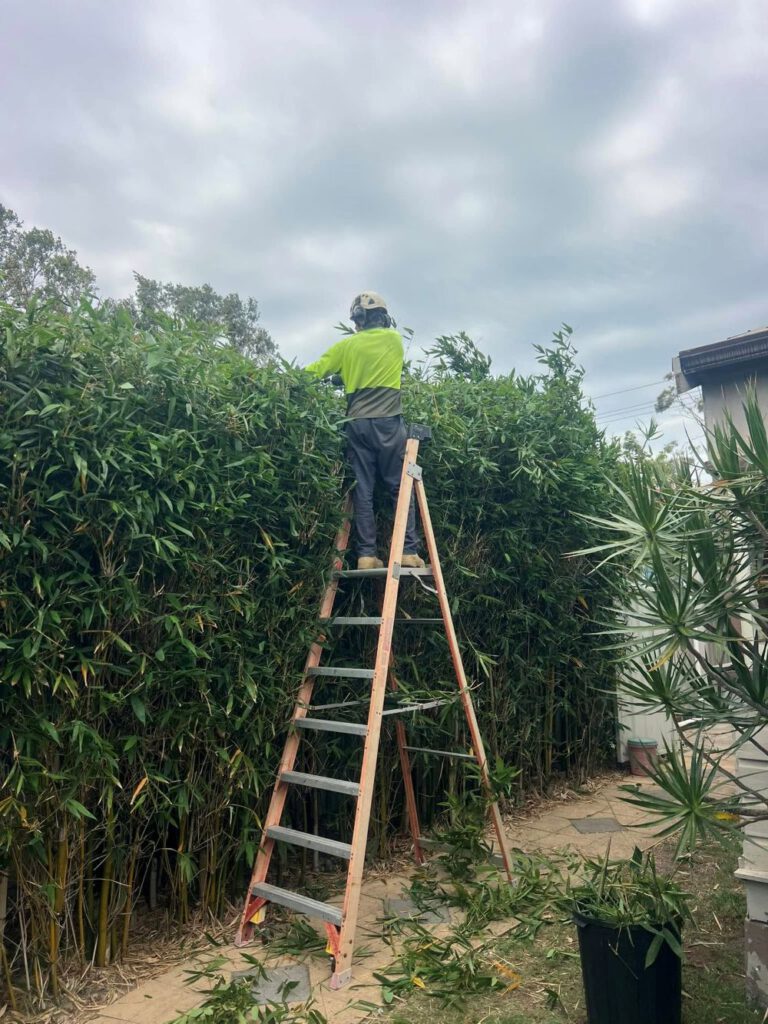
If you’re planning to install a hedge, the sheer variety of around 400 different options available can be daunting, not to mention the myriad opinions online about which plants truly thrive. To make the selection process easier, this guide will help you choose wisely.
Newcastle’s climate features warm summers, mild winters, coastal breezes, and occasional dry spells, creating an environment suitable for a wide array of hedging plants. just because a plant is suited to the climate does not guarantee it will thrive without proper care. Some plants may look appealing at the nursery but can eventually encroach on your neighbour’s property if not adequately managed.
This comprehensive guide will showcase the plants that excel in Newcastle and the Hunter Valley, pinpoint those to avoid, and emphasise the crucial benefits of consulting an arborist early in your planning process to avoid future regrets.
Essential Traits to Consider When Choosing Hedging Plants
Before diving into specific plant recommendations, it’s crucial to highlight the characteristics you should prioritise in a hedge:
- Robust growth pattern — Select a hedge that fills out nicely when pruned, steering clear of a spindly, leggy appearance that diminishes its visual appeal.
- Pruning responsiveness — Choose plants that thrive after being trimmed back, boosting their fullness instead of looking lacklustre.
- Evergreen nature — Unless you desire a semi-transparent hedge for part of the year, evergreen plants are preferable for consistent year-round coverage.
- Height suitability — Opt for plants that naturally reach heights close to your intended hedge height to avoid perpetual trimming struggles.
- Soil and aspect compatibility — Assess whether your location receives full sun, partial shade, sandy coastal soil, or heavy clay, as these elements are vital for plant health.
Getting these fundamentals right from the outset can significantly influence whether your hedge appears lush in three years or remains sparse and patchy after five.
Ideal Hedging Plants for Newcastle’s Distinct Climate
Lilly Pilly (Syzygium species) — The Premier Hedging Plant
Lilly pillies are among the most favoured hedging plants in New South Wales for numerous compelling reasons. These evergreen plants feature dense foliage and exhibit rapid growth, thriving with regular pruning—each cut encourages more branching, essential for creating a robust hedge.
Noteworthy varieties include:
- Syzygium ‘Resilience’ — Specifically bred for resistance against psyllids, which cause the troublesome bumpy leaves often observed on older lilly pillies. This variety typically grows to about 3-4 metres if left untrimmed but can be beautifully maintained at heights of 1.5-2.5 metres. Compact and dense, it thrives in Newcastle’s humid conditions, making it an excellent choice.
- Syzygium ‘Sublime’ — Known for its tighter, more columnar growth, this variety is ideal for narrow spaces where a hedge should not dominate the footpath.
- Syzygium ‘Tiny Trev’ — Perfect for low border hedges or garden edging, this variety reaches a height of about one metre.
Important note: Opting for an older variety lacking psyllid resistance may lead to considerable effort managing unattractive, bumpy leaves. Investing in resistant cultivars is undoubtedly worth it in the long run.
Murraya (Murraya paniculata) — A Top Choice for Australian Landscapes
Murraya stands out as one of Australia’s favourite hedging plants, and for good reason. This plant features dense, evergreen foliage that grows quickly and produces small, fragrant white flowers. It adapts well to various shapes, making it an excellent option for formal gardens and thriving under Newcastle’s conditions, tolerating heat and coastal exposure without being overly fussy about soil drainage.
Important consideration: Murraya can attract scale insects. A well-maintained hedge usually fends off these pests, but neglect can lead to a scraggly appearance. Regular trimming and occasional feeding can greatly enhance its vitality and resilience.
Photinia (Photinia x fraseri ‘Red Robin’) — A Striking Privacy Barrier
You may have encountered Photinia in various landscapes; it is celebrated for its vibrant bright red new growth that creates a stunning contrast with older dark green leaves. This plant forms an effective privacy screen, grows quickly, and is simple to shape through careful pruning.
Photinia thrives in full sun and adapts well to Newcastle’s clay soils. Most homeowners maintain it at around 2-2.5 metres for an effective boundary hedge.
Cautionary note: Photinia can be prone to leaf spot in humid conditions. Ensuring adequate airflow through the hedge—achieved by employing proper pruning techniques rather than simply hacking at the foliage—can significantly mitigate this issue.
Viburnum (Viburnum odoratissimum ‘Dense Fence’) — The Ideal Rapid Privacy Screen
If you seek a thick, quick privacy screen, the ‘Dense Fence’ variety of Viburnum delivers precisely what its name suggests. It grows vigorously, fills in rapidly, and once established, the foliage is so dense that it effectively blocks visibility, providing an excellent privacy solution.
This plant flourishes in full sun to partial shade and is resilient to Newcastle’s humidity, maintaining its verdant appearance throughout the year.
Consider the trade-off: Its rapid growth necessitates more frequent trimming. If maintenance is overlooked, it may become overgrown and woody at the base. Regular shaping is crucial to keep it looking tidy and well-formed rather than simply oversized and unkempt.
Westringia (Westringia fruticosa) — The Low-Maintenance Option
If you prefer a low-maintenance option that offers a more relaxed aesthetic, Westringia is an excellent choice. As a native plant, it excels in coastal conditions, tolerates salt spray, and requires less water once established, making it ideal for the local environment.
This plant provides a softer, more informal hedge shape—think coastal cottage charm rather than rigid, formal lines. It generally grows to about 1-1.5 metres in height, depending on the variety, and responds well to trimming without sacrificing its natural look.
Best suited for: Front yards, coastal properties, or areas where you prefer a hedge that appears more organic and less manicured, offering a delightful contrast to traditional hedging plants.
Callistemon (Callistemon species — Bottlebrush) — An Unconventional Hedging Choice
Many overlook bottlebrush as a viable hedging option, but certain varieties—such as ‘Green John’ and some dwarf forms—perform exceptionally well as hedges. These robust plants are drought-tolerant once established and attract birds, offering the added benefit of vibrant flowers that enhance the landscape.
These plants thrive in Newcastle’s coastal conditions. Just ensure you select a variety that matches your desired height—full-size callistemons can reach 4-5 metres, which may pose management challenges.
Hedging Plants to Avoid for Optimal Results in Newcastle
Not every popular hedging plant is suitable for Newcastle’s unique environment, and some can cause more harm than good.
- Privet (Ligustrum) — While it forms a reasonable hedge, it is classified as an environmental weed in NSW. Its berries are dispersed by birds, making privet one of the most invasive species in the Hunter Valley. Some councils may impose fines for planting it, so it is best to avoid this plant altogether.
- African Olive (Olea europaea subsp. cuspidata) — Another invasive species posing significant threats to Newcastle’s bushland areas. It’s wise to avoid this option to prevent ecological damage.
- Bamboo (running varieties) — This plant is less of a hedge and more of a declaration of war against your neighbours. Running bamboo spreads underground and can appear in unexpected locations. If you desire bamboo, opt for clumping varieties and carefully consider their placement to avoid future conflicts.
- Leyland Cypress — While popular in cooler climates, these trees often struggle with fungal issues in Newcastle’s humid conditions. They also grow rapidly, leading to high maintenance costs to keep them at a manageable height.
Recognising the Significance of Thoughtful Hedge Selection
Many people mistakenly select a plant solely based on its appearance in a small pot at the nursery, overlooking its growth potential over the next decade.
Planting a hedge is a long-term commitment. If you choose a species that naturally grows to 5 metres while intending for a hedge of only 1.5 metres, you are essentially signing up for an ongoing trimming battle with a plant that will continuously challenge your efforts.
Spacing is another critical factor often underestimated. Planting too closely can lead to root competition, resulting in a thin hedge at the base. Conversely, planting too far apart may delay the time before the hedge fills in properly. Selecting the right plant for the right spot with appropriate spacing can make all the difference between a self-sustaining hedge and a persistent headache.
How Consulting an Arborist Can Enhance Your Hedging Project
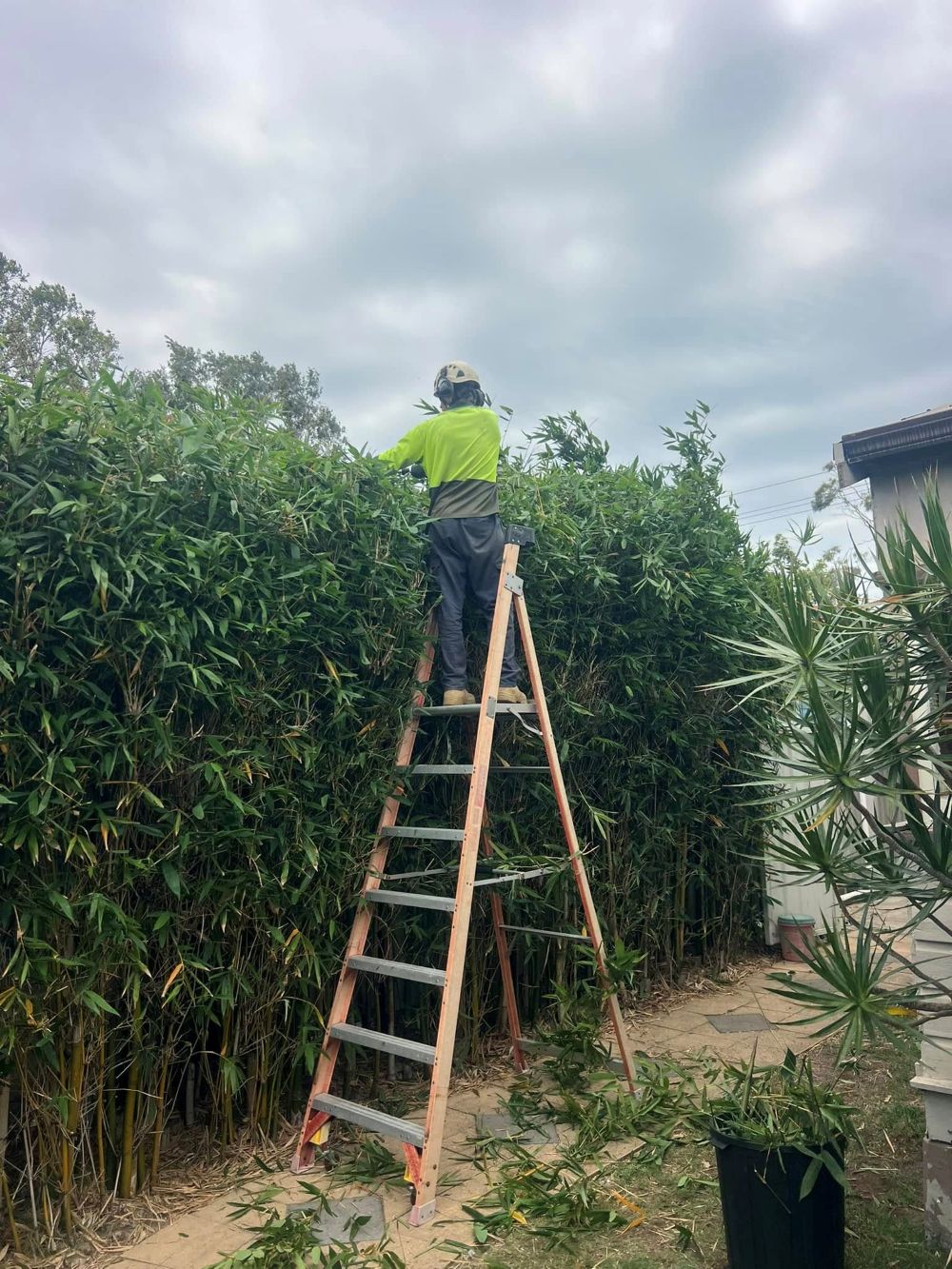
Many envision arborists as the professionals you call only when a tree requires removal. While that is one aspect of their role, arborists also possess extensive knowledge about plants—understanding which species suit specific conditions, how they grow, how they respond to pruning, and what issues may arise in the future.
When it comes to hedging, an arborist can assist you with:
- Choosing the right plant for your property — not just “what grows in Newcastle,” but what aligns best with your soil type, aspect, wind exposure, and desired height.
- Proper spacing and planting — ensuring the hedge fills in appropriately without overcrowding, which is vital for healthy growth.
- Formative pruning during the initial years — training the hedge to develop density from the bottom upwards, avoiding bare legs underneath and promoting a fuller appearance.
- Continuous maintenance — preserving the shape, identifying diseases, and addressing pest damage early before it escalates into a larger issue.
A hedge that receives appropriate formative pruning in its early years will consistently outshine a neglected counterpart throughout its lifespan, providing a beautiful and effective barrier for many years to come.
Frequently Asked Questions About Hedge Planting
Is hiring an arborist essential for planting a hedge?
While you don’t need an arborist and can certainly plant a hedge independently, seeking the expertise of a professional ensures that you select the right species, spacing, and soil preparation from the very beginning. This proactive approach can save you significant time and effort, making a noticeable difference between guesswork and informed decisions that lead to successful outcomes.
What costs are involved in hedge planting and maintenance?
The costs associated with hedge planting and maintenance vary based on the length of the hedge, the species chosen, ease of access, and the level of establishment you desire for the plants. Larger plants carry a higher initial cost but provide a usable hedge more quickly. To receive an accurate quote tailored to your specific property, consider reaching out to Waratah for personalised assistance.
How often should hedges be trimmed for optimal health?
In Newcastle, most hedging plants require trimming two to four times a year. Fast-growing varieties like Murraya and Viburnum may need more frequent attention, while slower growers like Westringia can manage with less. Regular, smaller trims are preferable to one extensive cut annually, as this encourages healthier growth and shape.
What is the best time of year to plant a hedge in Newcastle?
Autumn is considered the ideal time for planting a hedge. The soil remains warm enough for effective root establishment, while the cooler weather reduces stress on the plants as they acclimatise. Late winter and early spring also present suitable alternatives. Avoid planting during the peak summer heat, as new plants may struggle and require constant watering to survive.
Is it permissible to plant a hedge directly on the boundary line?
This matter pertains to council regulations and dividing fence legislation. Generally, if the hedge is on your property, it is considered your hedge. If it overhangs into the neighbour’s yard, they are entitled to trim it back to the boundary line. It is advisable to discuss your plans with your neighbour before planting and check with Newcastle City Council regarding any height restrictions that may apply.
Which hedge plants grow the fastest for privacy purposes?
Among the fastest options for achieving rapid coverage are Viburnum ‘Dense Fence’ and Murraya. Rapid growth often correlates with increased maintenance needs, as these plants may continue to grow beyond your desired height. Lilly Pilly ‘Resilience’ offers a balanced alternative, establishing quickly while being less aggressive than Viburnum, making it an excellent choice for privacy without excessive upkeep.
Embark on Your Hedge Installation Journey with Expert Support
If you’re considering the installation of a hedge—or if you have an existing one that has become overgrown—Waratah Tree Care is here to assist you. From selecting the ideal plants for your property to proper installation and ongoing maintenance, we offer comprehensive support tailored to your specific needs.
Contact us today, and we’ll evaluate your project and provide customised solutions that align with your vision and requirements.
The Article: Hedging Plants for Newcastle: Thick, Green, and Low-Maintenance first appeared on https://writebuff.com
The Article Hedging Plants: Low-Maintenance Options for Newcastle Gardens Was Found On https://limitsofstrategy.com
References:
Hedging Plants: Low-Maintenance Options for Newcastle Gardens