Choose Premium Ingredients for Homemade Seitan
How to Select the Best Flour for Crafting Seitan
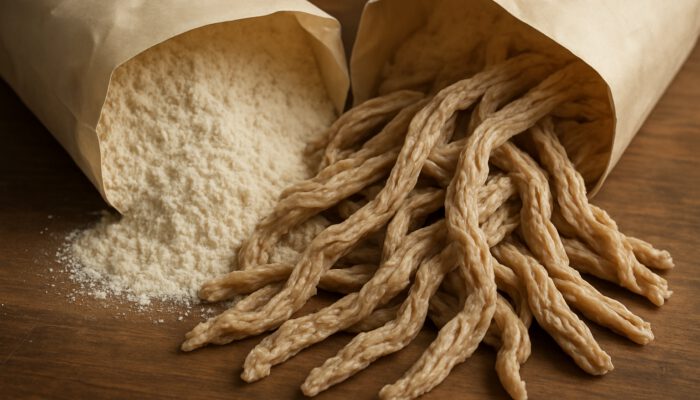
Choosing the right flour is crucial for making seitan at home. High-protein wheat flour, especially vital wheat gluten, serves as the key ingredient that provides the chewy texture and structure typical of this meat substitute. Avoid flours with additives, as these can interfere with the gluten’s natural binding process during washing and cooking.
When assessing flour options, focus on the protein content. Higher protein percentages yield a firmer texture, essential for mimicking the bite of meat. Home cooks often favour brands like Bob’s Red Mill and King Arthur Flour. Experimenting with different types of flour can produce distinctive textures and flavours in your seitan creations.
Which Seasonings Enhance Flavour in Seitan?
Spices and seasonings play a pivotal role in elevating the taste of homemade seitan. Commonly used options include garlic powder, onion powder, smoked paprika, and nutritional yeast, all of which contribute richness and complexity. If you find yourself making seitan regularly, consider how best to store these spices to maintain their flavour over time.
For the best results, keep your spices in airtight containers, stored away from light and heat sources. This method preserves their aroma and flavour for longer periods. Regularly check expiration dates and replace any stale spices to ensure your seitan bursts with flavour.
How to Prepare Water and Additives for Consistent Results?
Consistency is key when creating your homemade seitan. Here are the essential benefits of properly preparing water and additives:
- Ensures even hydration of flour, fostering superior gluten development.
- Helps control the final product’s texture, allowing you to create either firmer or softer seitan according to your preferences.
- Facilitates flavour and nutrient infusion through broths or marinades.
- Minimises the risk of over- or under-seasoning, leading to a balanced flavour profile.
By accurately measuring water and additives, you can achieve consistent success with each batch of seitan.
Expert Tips for Crafting Delicious Homemade Seitan
Why is Protein Content Crucial in Seitan?
Accurate measurement and balance of ingredients are fundamental for achieving the desired nutritional profile in your seitan. Start by checking the protein content of your flour, which is typically indicated on the packaging. For high-protein seitan, choose flour with at least 12-14% protein content.
You may also want to incorporate additional protein sources, such as chickpea flour or lentil flour, to boost the nutritional value. This not only increases protein content but also adds unique flavours and textures to your seitan, making it versatile for various dishes.
What Common Mistakes Should You Avoid When Making Seitan?
Recognising and correcting issues during the initial mixing of your seitan dough is crucial for success. A frequent mistake is insufficiently hydrating the flour, which can result in a dry and crumbly texture. Ensure the water-to-flour ratio is appropriate for the type of flour you are using.
Another common error is over-kneading, which can create a tough texture. Aim for a balanced kneading duration to develop gluten without producing a dense dough. Pay attention to the consistency; the dough should feel elastic but not excessively sticky.
How to Successfully Scale Seitan Recipes?
When scaling seitan recipes, adjusting liquid ratios can significantly improve your outcomes. For instance, if you double a recipe, you may not need to double the water precisely, as various flours absorb moisture at different rates. Start by gradually increasing the water while monitoring the dough’s consistency.
Insights from home cooks suggest that a careful approach to scaling can yield superior results. Many have discovered that slight adjustments in liquid can create a more manageable dough, especially when preparing larger batches for meal prep or gatherings.
How to Enhance Flavours in Seitan Preparations?
Incorporating herbs and spices during the kneading process can produce unique flavour profiles for your homemade seitan. Consider adding dried herbs like <a href="https://berwicktestandtag.com.au/oregano-australias-natural-antibacterial-remedy/">oregano</a> or basil directly to the flour mixture before hydration. This method allows the flavours to integrate thoroughly into the dough.
Successful examples from Australian kitchens highlight the benefits of marinating seitan after cooking. For instance, a simple marinade of soy sauce, ginger, and garlic can transform plain seitan into a delectable addition for stir-fries or tacos. Tailoring seasonings to meet dietary needs ensures that everyone can enjoy the dish.
Which Essential Techniques are Involved in Dough Preparation?
How to Mix Ingredients for Optimal Hydration?
Proper hydration in flour mixtures is essential for successful seitan production. Begin by gradually adding water to your flour while mixing until a shaggy dough forms. Timing is critical; avoid over-saturating the mixture, as this can weaken the gluten structure during the washing phase.
Once the ingredients are combined, allow the dough to rest briefly. This resting period promotes complete water absorption by the flour, resulting in a more cohesive dough. Resting is key for developing the gluten network that gives seitan its distinctive texture.
How to Ensure Consistent Dough Texture?
Even moisture distribution throughout the mixture is vital for uniform gluten development. As you mix, pay attention to the dough’s texture; it should feel slightly tacky but not overly sticky. If the dough appears too dry, add a small amount of water; if it feels too wet, incorporate a bit more flour.
A well-mixed dough will exhibit the firmness characteristic of high-quality seitan. Use your hands to knead the dough, allowing you to effectively assess its elasticity and moisture content. This hands-on approach ensures you achieve the perfect consistency each time.
Why Are Resting Periods Important for Dough?
Allowing adequate time for the dough to rest enhances its elasticity and prepares it for the washing phase. Resting the dough for at least 30 minutes enables gluten strands to relax, making it easier to shape and wash later.
During this resting period, the flour continues to absorb moisture, contributing to the final texture of the seitan. A well-rested dough results in a more tender and chewy product, making it suitable for a variety of culinary applications.
Mastering Kneading Techniques for Ideal Seitan Texture
What Are Effective Hand-Kneading Strategies?
Applying consistent pressure during the kneading process is essential for developing the gluten network that gives seitan its meat-like texture. When kneading by hand, focus on folding and pressing the dough repeatedly. This technique encourages gluten formation, which is vital for achieving the desired texture.
Be patient with the kneading process to ensure the dough is adequately developed. A useful guideline is to knead for around 10-15 minutes, assessing the dough’s elasticity throughout. A properly kneaded dough will bounce back when pressed, indicating it is ready for the next steps.
How to Use Kitchen Appliances for Efficient Kneading?
Utilising kitchen appliances can streamline the kneading phase, particularly when preparing larger quantities of seitan. Stand mixers equipped with dough hooks are especially effective, allowing you to achieve consistent results without the physical exertion required for manual kneading.
When using a mixer, start at a low speed to combine the ingredients, then gradually increase the speed for kneading. This method saves time and energy while ensuring proper gluten development, resulting in firmer, textured seitan.
What Readiness Indicators Should You Look For in Seitan Dough?
Achieving reliable texture outcomes in seitan made without specialised equipment is possible by observing specific indicators. One key sign is the dough’s elasticity; it should stretch without tearing when pulled apart, indicating sufficient gluten development.
Another indicator is the surface of the dough; it should appear smooth and slightly tacky but not sticky. These visual cues help ensure that your seitan will have the desired texture after cooking, facilitating its incorporation into various recipes.
Why Is Seitan Considered a Versatile Protein Option?
What Nutritional Advantages Does Seitan Offer?
Seitan is a significant source of plant-based protein, making it suitable for various dietary preferences. With approximately 25 grams of protein per 100 grams, it stands out among plant-based options. Its neutral flavour allows for seamless integration into diverse meals without overpowering other ingredients.
Low in both fat and carbohydrates, seitan is an appealing choice for individuals looking to maintain a balanced diet. Its adaptability allows it to be seasoned and prepared in numerous ways, aligning with different cuisines and personal tastes.
How Does Seitan Showcase Versatility in Culinary Applications?
Seitan’s versatility extends to a wide range of culinary uses, from stir-fries to roasts. Its ability to absorb surrounding flavours makes it an excellent candidate for marinating or cooking in rich sauces. This flexibility encourages home cooks to explore various cuisines and flavour profiles.
For example, in Asian cuisine, seitan can serve as a meat substitute in stir-fried noodles or curries. Alternatively, it can be seasoned with Italian herbs and served in pasta dishes or on pizzas, showcasing its ability to blend effortlessly into diverse meals.
How Does Seitan Compare with Other Protein Sources?
When comparing seitan with other protein sources, its unique binding qualities become evident. Unlike tofu or tempeh, seitan retains its shape well under various cooking conditions, making it ideal for grilling, frying, or sautéing. This characteristic allows it to closely mimic the texture of meat.
Compared to legumes or beans, seitan boasts a higher protein content per serving, making it a popular choice for those aiming to elevate their protein intake. Its versatility and ability to absorb a wide range of flavours make it a standout option in the realm of plant-based proteins.
Assessing Steaming Versus Boiling Cooking Methods
What Are the Key Concepts in Temperature Control?
Maintaining consistent heat levels while steaming is crucial for preserving moisture within seitan pieces. Steaming is a gentler cooking method that results in tender yet firm seitan, retaining its texture. This technique is particularly advantageous for creating dishes that require a more substantial bite.
In contrast, boiling can lead to flavour and nutrient loss if not monitored closely. Keeping the water at a steady temperature ensures even cooking, helping you achieve the ideal texture for your culinary needs.
What Is the Optimal Timing for Cooking Seitan?
Precise cooking times during boiling significantly affect the final density of seitan. Overcooking can yield a spongy texture, while undercooking may result in a chewy consistency. Adjustments based on piece size are essential; smaller pieces need less time, while larger ones require longer cooking for even doneness.
As a general guideline, boiling seitan for 30-40 minutes is a good starting point, but always check for readiness by testing the texture. This careful timing ensures your seitan is thoroughly cooked while maintaining the desired firmness.
How Do Equipment Choices Affect Cooking Results?
Selecting the right pots or steamers significantly influences heat distribution when preparing seitan. A wide, shallow pot is ideal for boiling, promoting even cooking and preventing overcrowding. Conversely, a bamboo steamer enhances texture by allowing steam to circulate freely around the seitan.
Investing in quality cookware can greatly impact the final product. For instance, a heavy-bottomed pot retains heat better, ensuring consistent cooking temperatures, while a steamer basket helps maintain moisture levels during the steaming process.
What Are the Textural Differences Between Cooking Methods?
Conducting a side-by-side comparison of steaming and boiling reveals distinct textural properties in seitan pieces. Steaming often results in a denser, firmer structure, ideal for slicing and incorporating into dishes. This method retains moisture while allowing the seitan to develop a robust texture.
In contrast, boiling tends to produce more tender and slightly less chewy seitan overall. While this may be desirable for specific recipes, it might not provide the same satisfying bite as steamed seitan. Understanding these differences enables home cooks to choose the most suitable method for their culinary objectives.
How to Develop Ideal Flavour Profiles?
What Are the Steps for Crafting Effective Marinades?
Creating well-balanced marinades with herbs and sauces is essential for thoroughly flavouring seitan. A thoughtfully designed marinade allows for maximum flavour absorption, enhancing the overall taste of your dishes. Consider a blend of soy sauce, vinegar, and spices to create a robust base.
Allowing for extended soaking times maximises flavour absorption; marinating for at least 30 minutes is recommended. For deeper flavour, marinate overnight in the refrigerator. This process enables the seitan to soak up surrounding flavours, resulting in a more satisfying final dish.
How to Layer Seasonings During Cooking for Depth?
Gradually incorporating flavours throughout the seitan-making process offers various advantages. Adding seasonings during cooking allows them to meld, enhancing the overall taste. This method ensures that each bite of seitan is packed with flavour, elevating your culinary creations.
Consider introducing spices and herbs at multiple stages, such as during initial cooking or while sautéing. This approach helps create a complex flavour profile that transforms your seitan dishes into extraordinary experiences.
How Can You Customise for Individual Preferences?
Adjusting spice levels allows for personal touches that cater to individual tastes while maintaining a straightforward core recipe. Start with a basic seasoning blend and modify it to suit your palate. This flexibility ensures that everyone can enjoy the dish, regardless of their flavour preferences.
Experimenting with different herbs and spices can lead to exciting culinary discoveries. For instance, a hint of cumin or coriander can impart a Middle Eastern flair, while smoked paprika can provide a barbecue-inspired taste. The possibilities are endless!
Proven Techniques for Crafting Seitan at Home
How to Refine Texture with Advanced Methods?
Real-world examples of texture variations achieved through minor technique adjustments can greatly enhance your seitan preparation. For instance, changing kneading time or hydration levels can significantly affect the final texture. Home cooks often find that experimenting with different methods leads to unique results.
Consider employing a double-kneading technique, where you knead the dough, allow it to rest, and then knead again. This method can strengthen the gluten structure, resulting in a firmer and more enjoyable texture. Such refinements can help you master the art of seitan production.
What Additives Can Boost Nutritional Value?
Enhancing seitan with complementary ingredients elevates its overall dietary profile. Incorporate ingredients like ground flaxseed or chia seeds, which provide healthy fats and additional protein. This not only improves the nutritional content but also contributes to the texture and flavour of the final product.
Adding vegetables, such as finely chopped mushrooms or spinach, can further increase the nutrient content of your seitan. These additions create a more balanced dish while introducing new flavours and textures to your meals.
How to Ensure Safety and Hygiene in Seitan Production?
Maintaining cleanliness throughout all stages of seitan production is essential for safe consumption. Begin by ensuring all equipment and surfaces are thoroughly cleaned before starting. This practice helps prevent cross-contamination and ensures a hygienic cooking environment.
When storing seitan, keep it in airtight containers in the refrigerator to maintain freshness. Always check for signs of spoilage before use, and ensure any leftovers are reheated to safe temperatures. Following these safety practices will keep your homemade seitan both enjoyable and safe.
Final Touches and Presentation Strategies
How to Slice and Shape for Effective Presentation?
Making clean cuts that maintain the structural integrity of cooked seitan is crucial for an appealing presentation. Use a sharp knife to slice through the seitan, ensuring even portions for serving. This technique enhances visual appeal and facilitates incorporation into dishes.
For shaping, consider using molds or pressing the seitan into a desired form before cooking. This approach creates uniform pieces that look attractive on the plate. Attention to detail in slicing and shaping can significantly elevate the overall dining experience.
What Are Artful Plating Techniques?
Thoughtful arrangements can greatly enhance the visual appeal of seitan dishes prepared at home. Consider using contrasting colours and textures when plating. For example, serve seitan alongside vibrant roasted vegetables or a fresh salad to create an enticing presentation.
Garnishing with fresh herbs or drizzling with sauce can also boost the dish’s aesthetics. A well-presented plate not only looks inviting but also entices diners to enjoy the meal. Take care to arrange your dishes thoughtfully for a memorable dining experience.
How to Effectively Use Leftovers?
Repurposing leftover seitan helps maintain quality while reducing waste. One simple method is to reheat seitan in a stir-fry or soup, allowing it to absorb new flavours while preserving its texture. This approach ensures that no seitan goes to waste and adds variety to your meals.
Another option is to incorporate leftover seitan into sandwiches or wraps, adding fresh vegetables and sauces for a satisfying lunch. By creatively utilising leftovers, you can keep your meals exciting while minimising food waste.
What Are Commonly Asked Questions?
What is seitan made of?
Seitan is primarily composed of wheat gluten, the protein component of wheat. It is created by washing wheat flour dough with water to remove starch granules, resulting in a sticky, elastic mass that can be cooked and flavoured.
Is seitan a good protein source?
Yes, seitan is an excellent source of plant-based protein, containing around 25 grams of protein per 100 grams. It is a popular choice for vegetarians and vegans looking to boost their protein intake.
Can seitan be frozen for later use?
Yes, seitan can be frozen for future use. Allow it to cool completely, then wrap it tightly in plastic wrap or place it in an airtight container. It can be stored in the freezer for up to three months.
What are the different cooking methods for seitan?
Seitan can be prepared in various ways, including boiling, steaming, frying, or baking. Each method produces different textures and flavours, contributing to its versatility as an ingredient in numerous dishes.
How would you describe the flavour of seitan?
Seitan has a mild, neutral taste, allowing it to absorb the seasonings and sauces with which it is cooked. Its chewy, meaty texture makes it a favoured meat substitute across various cuisines.
Is it possible to make gluten-free seitan?
Traditional seitan is made from wheat gluten, making it unsuitable for those with gluten intolerance or celiac disease. Gluten-free alternatives, such as chickpea or lentil-based products, are available.
What is the typical cooking time for seitan?
Cooking times for seitan vary depending on the method used. Boiling usually takes about 30-40 minutes, while steaming can take 20-30 minutes. Always test for the desired texture before serving.
Can seitan be marinated before cooking?
Absolutely! Marinating seitan significantly enhances its flavour. Allow it to soak in a marinade for at least 30 minutes, or overnight for deeper flavour absorption, before cooking.
What types of dishes can be made with seitan?
Seitan can be included in a variety of dishes, including stir-fries, tacos, sandwiches, and curries. Its versatility allows it to adapt to many cuisines, making it a valuable ingredient in plant-based cooking.
What is the best way to store leftover seitan?
Store leftover seitan in an airtight container in the refrigerator for up to a week. For longer storage, freeze it in portions to maintain its freshness and prevent spoilage.
Join our Facebook community today!
The post Seitan Recipe Made at Home: Easy Steps for Delicious Results appeared first on https://cookinggods.com
The Article Seitan Recipe: Simple Steps for Homemade Deliciousness Was Found On https://limitsofstrategy.com