Trees rarely die abruptly. The challenge is in differentiating between the symptoms of a distressed tree and typical seasonal variations, as well as recognising that some healthy trees might still show concerning signs. This comprehensive guide will assist you in evaluating whether a tree is unhealthy or on the verge of dying. It details the specific indicators our arborists assess during evaluations in Newcastle and the Hunter region, along with guidance on when to arrange a professional onsite tree health assessment.
Since 1998, Waratah Professional Tree Care has been committed to preserving and maintaining trees across Newcastle, Lake Macquarie, Maitland, and the Hunter region. If you notice alterations in a tree on your property, it is crucial to investigate these changes further.
What Essential Signs Indicate a Tree’s Illness or Decline?
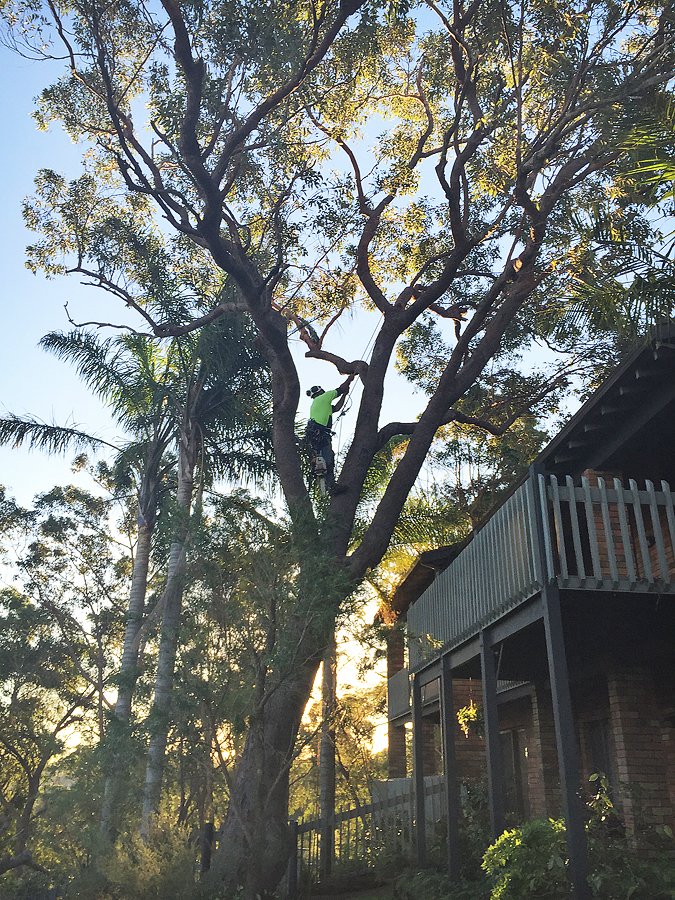
An unhealthy tree typically first shows symptoms in its canopy, followed by changes in its trunk and bark, and eventually in its roots and the surrounding soil. Noticing just one sign may not raise alarm, but if multiple symptoms are present or a single symptom worsens, it is a clear signal for a qualified arborist to perform a comprehensive assessment.
Here are the specific signs our arborists examine during a tree evaluation:
- Thinning leaves or patches of bare branches within the canopy
- Branches dying back from their tips
- Leaves wilting, browning, or dropping unexpectedly
- Visible cracks or splits in the trunk or major branches
- Fungal growth, such as mushrooms or brackets, at the base or on the trunk
- Hollows, soft wood, or sawdust near bark holes
- A tree that has begun to lean or displays raised soil around its roots
How Can You Identify Symptoms of Illness in a Tree’s Leaves and Canopy?
The canopy often serves as the first indicator of potential issues with a tree. When stressed, a tree may begin to lose leaves, resulting in a sparser canopy that reveals more sky than in previous years. Comparing an old photograph of the tree to its current state can effectively highlight gradual decline.
Dieback is another frequent indicator of a tree’s distress. This phenomenon occurs when the outer twigs and branches die first, causing the dead areas to recede towards the trunk. For example, on a eucalyptus tree, bare, grey branch tips may become visible above the healthy green leaves. Sudden dieback after a storm may suggest lightning damage, similar to a Spotted Gum assessed in Adamstown Heights.
Leaves that wilt, turn yellow, or brown unexpectedly should also raise concerns. it is important to consider the tree species involved. Deciduous trees naturally lose their leaves in autumn and winter, so a bare tree in July is typically healthy. Conversely, if a tree sheds its leaves in spring or summer, that indicates a more serious problem.
What Can the Trunk and Bark Reveal About a Declining Tree?
The trunk is essential for transporting water to the leaves and sugars to the roots through a delicate layer of living tissue called cambium, located just beneath the bark. Damage to this layer can severely impair the tree’s ability to thrive, leading to deterioration in the sections above the injury. trunk damage often poses more serious risks than it may initially seem.
Cracks and splits in the trunk or significant branches serve as structural warning signs. These cracks can allow moisture and fungi to enter the wood, signalling that the branch or trunk is already under stress. An arborist should evaluate large cracks, particularly at the junction of two main stems, rather than waiting to see how the situation develops.
Homeowners in Newcastle sometimes misinterpret bark shedding as a sign of trouble. Many native gums naturally shed their bark in strips or patches each year, revealing fresh, vibrant bark beneath, which is completely normal. Our focus is on bark that has peeled away to expose dry, dead wood, cracked and sunken bark, or bark that has been scorched or blown off in strips down the trunk.
How to Identify Fungal Growth, Hollows, and Pests Affecting a Sick Tree?
Fungal growth at the base or on the trunk of a tree is one of the most alarming signs we come across. The presence of mushrooms or hard, shelf-like brackets growing from the wood usually indicates internal decay. By the time fungi appear externally, internal decay may have already progressed significantly. A tree can seem healthy in its canopy while its trunk or roots weaken.
Hollows can be a natural feature of an older tree’s life and do not always signify that the tree is unsafe. The size of the hollow, its location, and the amount of sound wood remaining nearby are all critical factors. A hollow located at the base of a large tree near a house requires a different response compared to a small hollow situated high in a branch.
Pests and diseases often target trees that are already under stress. Damage from storms, lightning strikes, or improper pruning creates entry points for fungal infections and wood-boring insects. Signs of insect activity include fine sawdust around small holes in the bark, weeping sap, or mud trails climbing the trunk. Our arborists assess for pests and diseases as part of a comprehensive tree health evaluation.
What Ground and Root Indicators Suggest a Tree Is in Distress?
Roots are generally hidden from view, so most root issues are indicated by changes in the surrounding ground or the tree’s position. A tree that begins to lean, especially if it previously stood upright, is a warning sign. Similarly, soil that has cracked, lifted, or formed mounds on one side of the trunk may indicate that the roots on the opposite side are no longer providing adequate support.
Environmental changes surrounding a tree can also trigger decline. Activities such as trenching for pipes or cables, constructing a new driveway, or piling additional soil over the root zone can damage vital roots. The effects may not be noticeable until a year or more later, leading individuals to overlook the connection. If a tree has started to decline following nearby construction work, it is important to mention this when you contact us.
How Can I Differentiate Between a Dead Tree, a Dying Tree, and a Dormant Tree?
In winter, a dead tree and a dormant tree can appear quite similar, particularly with deciduous trees that have lost their leaves. The distinction becomes clear in spring. A dormant tree produces new buds and leaves as the weather warms, while a dead tree remains bare. If most of a tree fails to leaf out during spring and summer, it is likely dead or dying.
Some trees respond to stress by generating numerous small new shoots along the trunk and main branches. While this new growth may seem promising, it often indicates that the tree is struggling to replace lost foliage. In the case of the Spotted Gum, the regrowth suggested the tree was attempting to recover, and monitoring the amount of new growth in the following months would reveal whether it could bounce back or required removal.
A dead tree is inherently unstable. As the wood dries out and deteriorates, limbs become brittle and may fall unexpectedly, even in calm conditions. If you suspect a tree is dead, it is wise to arrange for its removal rather than waiting for it to collapse on its own. Our tree removal service in Newcastle caters to dead, dying, and hazardous trees on properties owned by homeowners, strata bodies, and businesses.
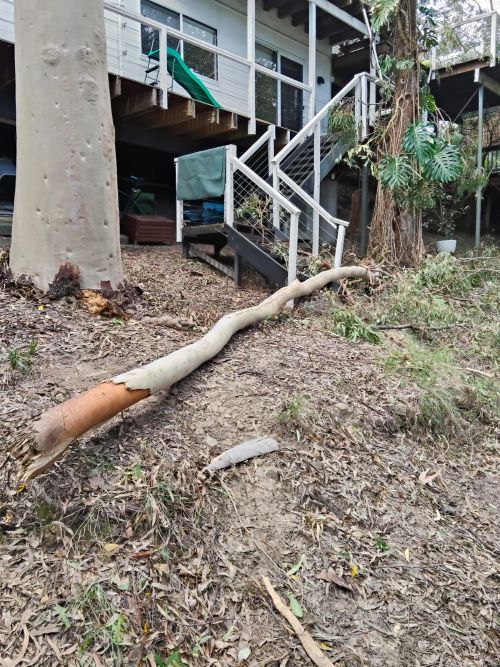
When Does a Distressed Tree Become a Safety Hazard?
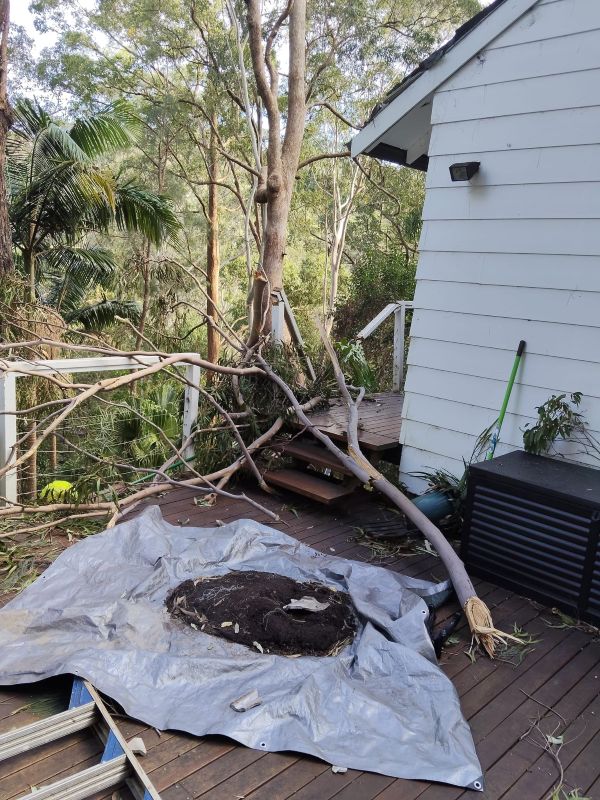
A sick tree poses a safety risk when its structural integrity is compromised, particularly if it is situated near anything that could sustain damage if it were to fall. A tree with a sparse canopy in an open field may be a health concern, but the same tree leaning over your roof, driveway, or neighbour’s fence is a safety issue.
Watch for these signs that indicate a tree may need urgent attention:
- A tree that has started to lean unexpectedly
- Large limbs that are split, hanging, or have already fallen
- Deep cracks in the trunk or at the junction of main stems
- Lifting roots or soil heaving at the base
- Signs of decay, hollows, or fungal growth near the base of a large tree
- Damage from lightning strikes, strong winds, or flooding
If you observe any of these indicators, keep people and pets away from the tree until it has been evaluated. Our page on dangerous and storm-damaged trees provides insights into our approach to managing hazardous trees and storm damage throughout Newcastle.
Is It Feasible to Revive a Sick Tree?
Many sick trees can be saved, especially when issues are identified early. The potential for recovery depends on the underlying cause, the tree species, the extent of the damage, and the tree’s overall health prior to the problem arising. A tree exhibiting some dieback due to a dry season may respond positively to proper care, while a tree with significant trunk decay may not.
When a tree can be salvaged, common strategies involve pruning to remove dead, diseased, or weakened branches, addressing the specific identified issues, or monitoring the tree over time to evaluate its response. If removal is deemed the safer option, we will explain our reasoning and guide you through the process. If you’re uncertain whether you require permission to remove a tree, our guide on council approval for tree removal in Newcastle is an excellent resource.
How to Arrange an Onsite Tree Health Assessment in Newcastle
When a tree appears unwell, consulting a qualified arborist is crucial. Our arborists possess extensive knowledge in tree biology, structure, and disease management. For many straightforward tree tasks, our free online quote form is effective, allowing you to submit a photo of the tree for review. If you’re unsure whether a tree is sick, unsafe, or merely experiencing normal seasonal changes, an in-person assessment by an arborist is essential.
During an onsite consultation, our arborist will visit your property to evaluate your trees and discuss the findings on the same day. The assessment encompasses:
- The condition and health of each tree
- Potential risk factors, including structural weaknesses, diseases, root issues, or proximity to buildings
- Your options for action, whether it involves removal, pruning, treatment, or monitoring
- Our recommendations for the most effective course of action
The consultation fee is separate from any tree work, and there is no obligation to proceed. We will confirm the fee at the time of booking. If you choose to proceed with pruning or removal after the assessment, we will provide a full quote at that time.
An onsite tree health assessment is particularly beneficial when a tree appears unhealthy or unstable, has sustained storm damage, is large or located close to your home, or when you are uncertain whether it should be removed or can be saved.
Frequently Asked Questions About Sick and Dying Trees
How can I tell if my tree is dying?
Common signs of a dying tree include a thinning canopy, branches dying back from the tips, leaves dropping unexpectedly, fungal growth on the trunk or base, and visible cracks or dead wood beneath the bark. One sign alone may not raise immediate concern, but multiple signs indicate that an arborist should evaluate the tree.
Is it normal for gum trees to shed their bark?
Yes, many eucalyptus trees naturally shed their bark in strips or patches, revealing fresh, brightly coloured new bark underneath. Bark shedding is only a concern when it exposes dry, dead wood, if the bark is cracked and sunken, or if a strip has been scorched or blown off, which may indicate lightning damage.
What does a tree health assessment entail?
Our arborist conducts a detailed evaluation of the condition and health of each tree on your property, examining the canopy, trunk, bark, roots, and the surrounding ground. We assess for diseases, pests, structural weaknesses, and potential risks to buildings, and discuss your options on the spot, including pruning, treatment, monitoring, or removal.
Should I remove a dead tree immediately?
Yes, a dead tree should be removed before it begins to shed limbs. Dead wood becomes brittle as it dries and decays, leading to branches that can fall unexpectedly. If the tree is located near your home, a fence, driveway, or areas frequented by people, plan for its removal soon while maintaining a safe distance from it in the meantime.
What areas do you service for tree health assessments?
We conduct tree health assessments throughout Newcastle, Lake Macquarie, Maitland, Port Stephens, and the wider Hunter region. When you contact us, please inform us of the property location and the number of trees you would like assessed, and we will arrange a suitable time for the visit.
Contact an Arborist for Professional Tree Health Guidance in Newcastle
If you observe any signs of distress in a tree on your property, prompt evaluation can enhance your management options. Early intervention can make the difference between simply pruning a few branches and necessitating the removal of the entire tree. Provide details about what you have observed, the tree’s location, and how long it has appeared unwell, and we will advise whether a free online quote or an onsite tree health assessment is the most appropriate initial step.
Reach out to Waratah Professional Tree Care at (02) 4956 6602 or 0414 706 653, or send us a message online. Steve, Salena, or another member of our team will contact you to arrange a time for the assessment.
Original Article First Published At: How to Identify Signs of a Sick or Dying Tree: Insights from Waratah Professional Tree Care Arborists in Newcastle
The Article: Signs of a Sick or Dying Tree: Newcastle Arborists’ Insights first appeared on https://writebuff.com
The post Signs of a Sick or Dying Tree: Insights From Newcastle Arborists appeared first on Limits Of Strategy.
References:
Signs of a Sick or Dying Tree: Insights From Newcastle Arborists
Signs of a Sick Tree: Expert Insights from Newcastle Arborists