Crafting Wholesome Raw Meals to Enhance Your Pet’s Health
Choosing Fresh and Safe Ingredients for Your Pet’s Raw Meals
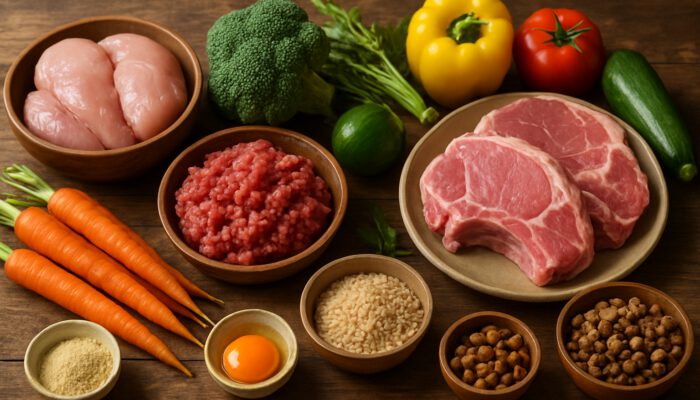
Selecting high-quality proteins and fresh produce is essential for crafting balanced raw meals for your pets. Opt for organic meats and locally sourced vegetables whenever possible. These choices reduce contamination risks and enhance nutrient density. Avoid processed ingredients that may include harmful additives, which could compromise your pets’ health.
It is vital to source your ingredients from trustworthy suppliers. This practice not only supports local businesses but ensures the food is free from harmful chemicals and pesticides. Regularly check expiration dates and assess the freshness of your ingredients to provide optimal nutrition for your furry companions.
Portion Control Strategies for Raw Pet Meals
Accurate portion measurement based on your pet’s weight and activity level is crucial to prevent overfeeding. Typically, dogs require about 2-3% of their body weight in food daily, while cats may need around 2-4% depending on their energy levels. Adjust these portions based on your pet’s activity to ensure they receive sufficient energy without gaining excess weight.
Using a kitchen scale for precise measurements aids in maintaining consistent portion sizes. Consider dividing daily meals into multiple servings to prevent hunger and promote steady energy levels throughout the day. This method supports a healthier metabolism, keeping your pets content and satisfied.
Best Practices for Proper Storage of Raw Pet Food
Storing raw pet food correctly is necessary to maintain its freshness and nutritional value. Keep raw meats and produce in the refrigerator at temperatures below 40°F (4°C). Prepared meals should be stored in airtight containers to avoid contamination and spoilage.
For longer-term storage, freeze portions in individual bags. This method helps preserve nutrients and simplifies meal preparation. Always thaw frozen meals in the refrigerator to minimize the risk of bacterial growth, ensuring a safe feeding experience for your pet.
Which Key Nutrients Are Essential in Raw Pet Food?
Understanding Protein Sources in Raw Pet Diets
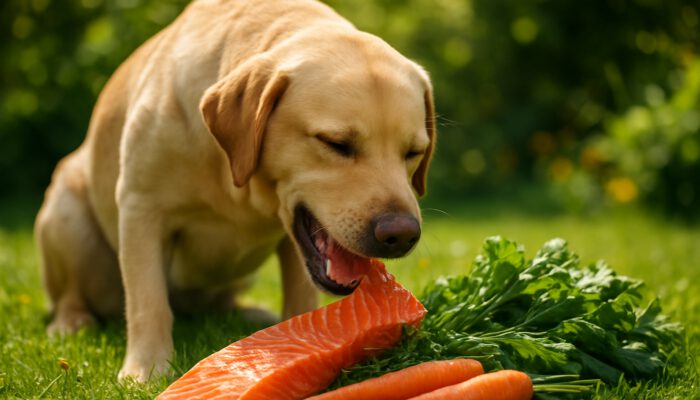
Raw food diets are abundant in essential proteins, vital for muscle development and tissue repair. Lean meats such as chicken, beef, and fish are excellent sources of high-quality protein, providing essential amino acids that promote overall health. These proteins are easily digestible, making them suitable for pets of all breeds and sizes.
Incorporating organ meats into your pet’s diet can significantly boost protein intake. For example, liver is rich in vitamins A and B, while heart meat is an excellent source of taurine, which is crucial for maintaining heart health in pets. Providing a diverse range of protein sources is essential for sustaining energy and supporting optimal growth.
Evaluating Vitamin Levels in Raw Pet Diets
Raw food diets are packed with vitamins that are critical for supporting pet health. Key benefits of retaining vitamins in uncooked fruits and vegetables include:
- Vitamin A, which enhances vision and immune function
- Vitamin C, an antioxidant that bolsters overall health
- Vitamin E, vital for skin health and cellular functions
- Vitamin K, essential for blood clotting and bone health
These vitamins often diminish during cooking, making raw diets a beneficial option for pet owners keen on maximizing nutritional content. Adding fresh fruits such as blueberries and vegetables like carrots can substantially elevate the vitamin levels in meals.
Ensuring Sufficient Mineral Intake

Natural bones and organ meats are excellent sources of essential minerals like calcium and phosphorus, which are critical for healthy skeletal development. Feeding raw bones not only provides these minerals but also aids dental health through natural chewing. Maintaining the correct balance of calcium and phosphorus is essential to prevent skeletal issues in growing pets.
It is crucial to ensure that the ratio of these minerals aligns with your pet’s specific needs. For instance, puppies and kittens require different ratios compared to adult pets. Consulting with a veterinarian can help determine the right mineral balance for your pet’s diet.
Exploring the Advantages of Raw Diets for Pets
The Digestive Benefits of Live Enzymes
Experts highlight that live enzymes found in raw meals significantly enhance digestion. These enzymes facilitate the efficient breakdown of food, alleviating common gastrointestinal issues such as bloating and diarrhea. Many pet owners report noticeable improvements in their pets’ digestive health after transitioning to a raw diet.
The presence of these enzymes also enhances nutrient absorption, allowing pets to fully benefit from their meals. Improved digestive efficiency is particularly beneficial for older pets or those with sensitive stomachs, fostering a healthier gut environment.
Veterinary Perspectives on Improved Coat Quality
Veterinary professionals suggest observing changes in fur texture as an indicator of how raw diets impact skin health. Many pets showcase shinier, healthier coats within weeks of transitioning to a raw food regimen. This enhancement is often attributed to the higher fat content in raw meats, which supplies essential fatty acids necessary for skin vitality.
Monitoring these changes can be as simple as taking regular photographs or noting texture variations during grooming. Owners may also experience reduced shedding and fewer skin irritations, contributing to an overall improvement in their pet’s appearance and comfort.
How to Effectively Monitor Health During Dietary Transitions
Veterinarians recommend conducting regular blood tests during the initial transition to a raw diet to ensure nutritional adequacy. These tests can identify any deficiencies or imbalances that may occur as pets adapt to their new food. Monitoring health markers such as protein levels, enzyme counts, and overall blood chemistry is vital for a successful dietary transition.
To blood tests, pet owners should observe their pet’s weight, energy levels, and overall behaviour. Frequent consultations with a veterinarian can offer valuable insights into your pet’s health and assist in making dietary adjustments as needed.
Enhancing Dental Health Through Raw Diets
Experts indicate that raw diets encourage improved dental health by diminishing tartar buildup and promoting healthier gums. The natural chewing action involved in consuming raw bones effectively cleans teeth, potentially leading to fewer dental issues over time. This aspect of raw feeding is particularly advantageous for pets prone to periodontal disease.
Incorporating raw bones into your pet’s diet also offers mental stimulation and satisfies their instinctual chewing behaviour. This dual benefit enhances both physical and dental health, making raw feeding an appealing choice for pet owners seeking to improve their pets’ well-being.
Boosting Energy Levels with Raw Nutrition
Veterinary professionals observe that pets on raw food diets frequently exhibit increased vitality and stamina. This rise in energy stems from improved nutrient absorption, which elevates daily activity levels. Many owners find their pets become more playful and engaged after switching to a raw diet, contrasting with the lethargy often associated with processed foods.
This increase in activity can also facilitate better weight management, as pets are more inclined to partake in physical play. Observing these changes can be rewarding for pet owners, reinforcing their decision to adopt a raw food regimen.
Evidence-Based Benefits of Raw Diets for Pets
Research on Strengthening the Immune System
Studies show that antioxidants found in raw food sources enhance pets’ immune responses. Controlled feeding trials have demonstrated that pets consuming raw diets exhibit greater resistance to infections, indicating that the nutrients in these diets improve overall health and vitality.
Antioxidants, such as those present in fresh fruits and vegetables, are vital for combating oxidative stress. This protective effect contributes to a more robust immune system, particularly beneficial for pets exposed to environmental stressors or those with pre-existing health issues.
Evidence Supporting Benefits for Dental Health
Research indicates that chewing raw bones can substantially decrease tartar accumulation, resulting in improved dental health. The mechanical action of chewing effectively cleans teeth, reducing the likelihood of periodontal disease. Many pet owners report fewer dental cleanings and less plaque buildup in pets that adhere to raw diets.
This natural approach to dental care not only minimizes veterinary expenses but also promotes better overall health. Maintaining good oral hygiene is crucial for preventing systemic issues that can arise from dental problems.
Insights on Energy Levels in Pets on Raw Diets
Surveys from pet owners reveal several key advantages associated with sustained activity levels in pets consuming raw diets:
- Increased playfulness and engagement
- Enhanced endurance during walks and playtime
- Faster recovery times post-exercise
- Overall alertness and enthusiasm
These observations highlight the positive impact that raw feeding can have on a pet’s energy and vitality. As pets become more active, their quality of life improves, benefiting both them and their owners.
What Is the Effect of a Raw Diet on Pet Immunity?
Changes in the Gut Microbiome
Raw diets can promote beneficial bacteria in the gut, enhancing pets’ overall defences against harmful pathogens. Fermented components in raw food, such as probiotics, contribute to a balanced gut microbiome, which is essential for optimal digestion and immune function. This balance can lead to better health outcomes and a decreased susceptibility to infections.
A healthy gut microbiome significantly influences nutrient absorption and metabolic well-being. By encouraging beneficial bacteria, raw diets can bolster pets’ resilience against illnesses, making this dietary choice appealing to pet owners who prioritise their pets’ long-term health.
Potential to Alleviate Allergies
Many pets suffer from allergies triggered by processed additives and fillers found in commercial pet foods. Transitioning to a raw diet often alleviates symptoms like itching and digestive disturbances by simplifying ingredient lists. By using whole, natural ingredients, pet owners can limit exposure to allergens that may provoke adverse reactions.
Eliminating common allergens such as grains and artificial preservatives can lead to significant improvements in pets’ skin health and overall comfort. This dietary transition is especially beneficial for pets with known sensitivities, enabling them to experience a more balanced and symptom-free life.
Tracking Long-Term Health Improvements
Pet owners should maintain a record of health indicators to accurately assess improvements in immunity over time. Monitoring aspects such as weight, energy levels, and general health provides valuable insights into the effectiveness of a raw diet for a pet. Regular veterinary visits can enhance this monitoring process, allowing for timely adjustments as necessary.
By documenting these signs, pet owners can make informed decisions regarding their pets’ diets, ensuring that their nutritional needs are adequately addressed. This proactive approach can lead to improved long-term health outcomes and a better quality of life for pets.
Maximising Nutrient Absorption
Raw meat and vegetables preserve heat-sensitive nutrients and digestive enzymes that enhance the bioavailability of essential vitamins like A and E. These nutrients are crucial for maintaining strong immune responses and effectively combating infections. By providing a diet rich in these nutrients, pet owners can support their pets’ overall health and well-being.
Efficient nutrient absorption is particularly important for pets recovering from illness or those with compromised immune systems. Ensuring a well-rounded diet can greatly influence their ability to fend off diseases and maintain optimal health.
Addressing Potential Bacterial Risks
While raw diets present numerous benefits, they may also increase exposure to harmful bacteria such as salmonella. This risk can weaken the immunity of vulnerable pets or enhance resilience in healthy ones when proper sanitation practices are followed. It is crucial for pet owners to adhere to safe food handling guidelines to mitigate these risks.
Regularly cleaning feeding areas and ensuring proper food storage can help decrease the chance of bacterial contamination. Educating pet owners about these practices ensures they can safely provide the advantages of a raw diet while protecting their pets’ health.
Successfully Transitioning Pets to a Raw Diet
Strategies for Gradually Introducing Raw Food
Introducing raw food to pets should be a gradual process to help them adapt to new flavours and textures. Begin by incorporating small amounts of raw food into their current diet, gradually increasing the raw proportion over several days. This approach minimizes digestive disturbances and allows pets to acclimatise comfortably.
Observing your pet’s reactions during this transition is crucial. If you notice signs of distress, such as vomiting or diarrhea, consider slowing the transition. Each pet is unique; patience is vital to ensuring a successful shift to a raw diet.
Recognising Common Signs of Adjustment
Monitoring stool consistency is one of the most effective methods to evaluate how well a new raw diet suits your pet’s metabolic needs. Healthy stools should be firm and well-formed, indicating that the digestive system is adapting effectively to the new food. Loose stools may suggest that the transition is too rapid or that the diet requires adjustment.
To stool observations, pay attention to energy levels and overall behaviour. Positive changes in these areas may indicate that the raw diet is beneficial, while any negative signals could necessitate a reassessment of the feeding plan.
Tips for Ongoing Evaluation of Dietary Success
Regular weigh-ins and veterinary check-ups are essential for confirming that the raw diet meets all nutritional requirements. Monitoring weight changes ensures that pets are neither losing nor gaining excessive weight, which is vital for their health. Veterinary consultations can provide insights into necessary dietary modifications.
Pet owners should maintain open communication with their veterinarians, discussing any concerns or observations regarding their pets’ health. This collaborative approach can lead to better outcomes and a more tailored feeding plan for each pet.
Addressing Challenges During the Transition
Identifying any adverse reactions during the shift to a raw diet allows for timely adjustments to maintain the pet’s overall health. Common issues include vomiting or unusual lethargy, which may indicate that the new food is unsuitable or that the transition is occurring too quickly.
If these problems arise, pet owners should consider temporarily reverting to the previous diet while gradually reintroducing raw food. This careful approach ensures that pets can adapt without complications, leading to a successful dietary change.
Frequently Asked Questions About Raw Diets
What does a raw food diet for pets include?
A raw food diet for pets comprises uncooked meats, fruits, and vegetables, designed to mimic the natural diet of wild animals. Its goal is to provide balanced nutrition without the additives commonly found in processed pet foods.
What are the primary benefits of feeding pets raw food?
Feeding pets raw food can enhance digestion, improve coat quality, boost energy levels, and support dental health. Many pet owners also report fewer allergies and better overall health in their pets.
How should I begin transitioning my pet to a raw diet?
Start by gradually mixing small amounts of raw food with your pet’s current diet. Slowly increase the raw portion over several days to assist your pet in adjusting without digestive upset.
Are there risks associated with feeding pets raw food?
Yes, potential risks include exposure to harmful bacteria like salmonella and nutritional imbalances if the diet is not properly formulated. It’s critical to follow safe food handling practices and consult with a veterinarian.
Can all pets safely consume raw food?
Most pets can benefit from a raw food diet, but it’s essential to consider individual health conditions and dietary needs. Consulting with a veterinarian before making any dietary changes is advisable.
How can I ensure my pet is getting balanced nutrition on a raw diet?
To ensure balanced nutrition, include a variety of proteins, fruits, and vegetables in your pet’s diet. Consulting with a veterinary nutritionist can help create a tailored meal plan.
What types of meat are ideal for a raw feeding regimen?
Lean meats such as chicken, beef, and fish are excellent choices for raw feeding. Organ meats, like liver and heart, should also be included for their nutrient density.
How often should I feed my pet raw food?
Feeding frequency varies by pet; generally, adult dogs can be fed once or twice daily, while cats may benefit from multiple smaller meals. Adjust based on your pet’s individual needs and preferences.
What should I do if my pet refuses to eat raw food?
If your pet is hesitant to eat raw food, try warming it slightly or mixing it with a small amount of their favourite food. Gradual introduction and persistence are often effective in helping them accept the new diet.
How can I monitor my pet’s health on a raw diet?
Keep track of your pet’s weight, energy levels, and overall health. Regular veterinary check-ups and blood tests can help ensure they are receiving adequate nutrition while on a raw diet.
Visit Our Facebook Page for More Information!
The Article Raw Food Benefits for Pets: Enhance Pet Wellness Naturally First Published On https://elgatoencasa.com
The Article Raw Food Benefits for Pets: Boost Natural Wellness Was Found On https://limitsofstrategy.com