Unlock the Incredible Benefits of Self-Cleaning Litter Boxes for Your Feline Friends
Recognise the Essential Features of Self-Cleaning Litter Boxes
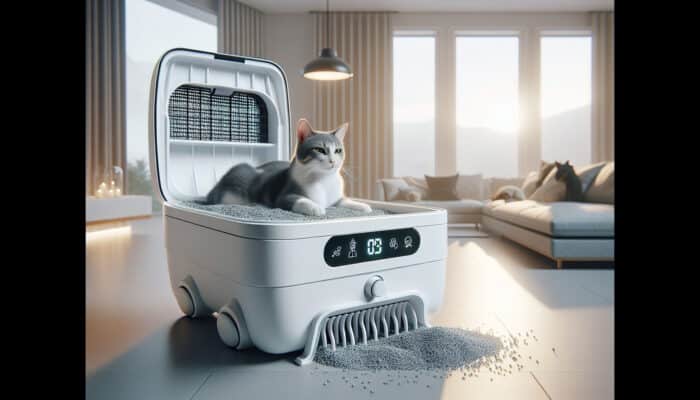
Self-Cleaning Litter Boxes for Cats represent a remarkable advancement in pet care technology, crafted with precision to optimise waste management for your beloved feline companions. These innovative devices utilise cutting-edge sensors and automated systems to efficiently handle waste, significantly reducing unpleasant odours while enhancing overall hygiene. The key features of these exceptional systems include:
- Automatic scooping mechanism for effortless cleaning
- A waste separation and containment system that ensures proper disposal
- Odour control features to maintain a fresh environment
- Usage sensors that activate cleaning cycles
- Easy-to-clean designs for hassle-free maintenance
- Compatibility with various litter types to suit user preferences
- Notification systems alerting you to maintenance needs
These outstanding features not only simplify the cleaning process but also greatly improve living conditions for cats, making self-cleaning litter boxes a highly sought-after option for modern pet owners who appreciate convenience and efficiency in their pet care routines.
What Materials Are Commonly Used in Self-Cleaning Litter Boxes?
The selection of materials in self-cleaning litter boxes is essential for ensuring durability, safety, and ease of cleaning. Manufacturers typically employ durable plastics and metals specifically engineered to endure the demands of daily use while facilitating straightforward cleaning processes. Many brands prefer plastics due to their lightweight nature and resistance to stains and odours, whereas metals offer increased strength and scratch resistance. It is crucial to choose materials that prioritise safety and reliability for your feline friends, as these factors directly influence the box’s functionality and your pet’s overall health and well-being.
How to Choose the Ideal Self-Cleaning Litter Box Model?
Selecting the right self-cleaning litter box requires careful consideration of various important factors tailored to meet the unique needs of your cats. Key aspects to evaluate include the box’s size and capacity, ensuring it accommodates your cat’s breed and activity level, as well as how well it integrates within your home’s environment. For instance, larger models may be necessary for households with multiple cats or larger breeds, while compact designs work better in restricted spaces. Moreover, features like smart technology integration can greatly enhance the user experience. Assessing your cat’s specific preferences and requirements is vital for ensuring a smooth transition into your daily routine.
What Are the Key Advantages of Using Self-Cleaning Litter Boxes?
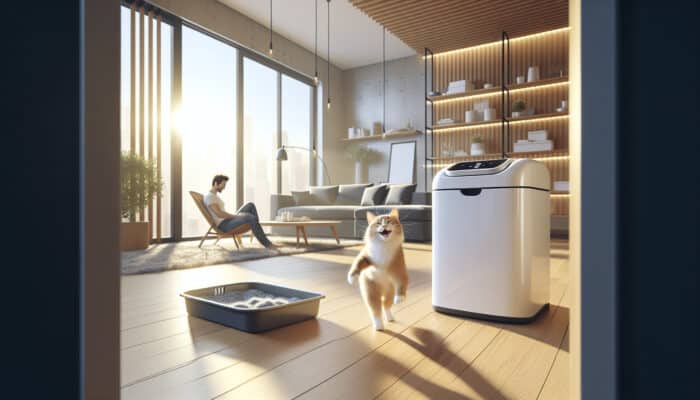
Utilising a self-cleaning litter box presents numerous advantages for both cats and their owners. One of the most significant benefits is the substantial reduction in manual scooping, enabling busy pet owners to save time and energy. These cutting-edge devices also foster improved hygiene by automatically managing waste and minimising unpleasant odours in the home. A cleaner litter environment supports better cat health by reducing the likelihood of bacterial growth and creating a stress-free living space. Furthermore, the convenience offered by self-cleaning litter boxes allows owners to devote more quality time to their pets, transforming pet care into a more enjoyable and effective experience.
How Do Self-Cleaning Litter Boxes Function Effectively?
Understanding the Core Mechanism of Self-Cleaning Litter Boxes
The fundamental mechanism behind self-cleaning litter boxes relies on advanced sensor technology that detects when a cat has utilised the box. Upon detection, the cleaning cycle activates, typically involving a scooping mechanism that effectively collects waste and deposits it into a sealed compartment. This automated process ensures the litter box remains clean and fresh without the need for manual intervention, providing a hassle-free experience for pet owners. The technology effectively maintains the box’s ideal condition, promoting a healthy and welcoming environment for your cat.
What Common Technologies Are Integrated into These Devices?
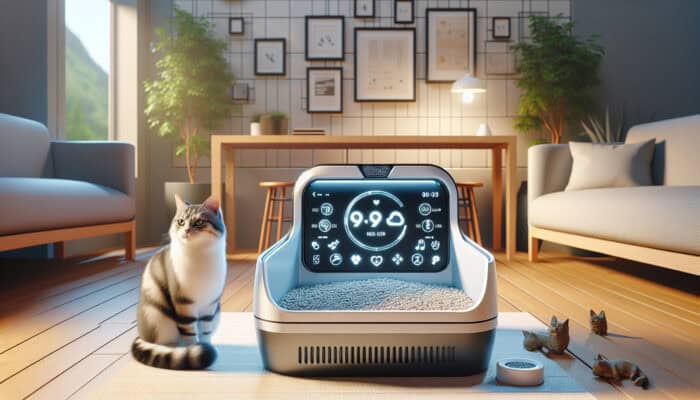
Self-cleaning litter boxes incorporate advanced technologies that enhance their functionality and usability. Common features include timers that allow owners to schedule cleaning cycles based on their cat’s habits, ensuring freshness at all times. Additionally, certain models are equipped with filters designed to control odours and maintain air quality, further elevating the user experience. Smart features, such as mobile app connectivity, empower owners to monitor litter box activity remotely, providing valuable insights into their cat’s habits and overall health. Collectively, these technologies create a seamless waste management experience for pet owners.
What Potential Challenges May Occur with Self-Cleaning Litter Boxes?
Despite the many advantages associated with self-cleaning litter boxes, they can present specific operational challenges. For instance, power failures or sensor errors may disrupt the cleaning cycle, necessitating regular checks to maintain optimal performance. Users might also face jammed mechanisms or complications with waste separation systems, leading to inefficiencies during the cleaning process. To ensure proper functionality, it is essential to routinely inspect these devices, troubleshoot any issues as they arise, and adhere to the manufacturer’s guidelines for maintaining reliability and performance.
How Do Self-Cleaning Litter Boxes Enhance Hygiene Effectively?
The benefits of self-cleaning litter boxes extend beyond mere convenience; they provide essential advantages that improve both pet hygiene and owner satisfaction. The automatic waste removal feature greatly reduces unpleasant odours, creating a more pleasant living environment for both cats and their owners. By minimising the need for manual cleaning, self-cleaning litter boxes streamline daily routines, allowing pet owners to devote more quality time to enjoying the companionship of their furry friends. Additionally, these devices promote better hygiene, leading to enhanced health outcomes for cats by lowering the risk of illness associated with unclean litter conditions. Ultimately, self-cleaning litter boxes make pet care more efficient and enjoyable.
What Are the Optimal Maintenance and Troubleshooting Practices for Self-Cleaning Litter Boxes?
Proper maintenance of self-cleaning litter boxes is crucial for ensuring their longevity and peak performance. Regularly cleaning components such as the litter chamber and waste compartment is vital for maintaining functionality. Users should remain vigilant regarding clogs in the scooping mechanism and verify that sensors are functioning correctly. Moreover, replacing filters at the recommended intervals is essential for maintaining effectiveness. Troubleshooting common issues, such as sensor malfunctions or mechanical jams, involves inspecting the device for blockages and consulting the manufacturer’s troubleshooting guide. By implementing proactive maintenance steps, pet owners can guarantee their self-cleaning litter boxes operate smoothly, providing a reliable solution for waste management.
Expert Insights on Maximising Self-Cleaning Litter Boxes for Cats
Evaluate Advanced Design Features for Superior Performance
When considering self-cleaning litter boxes, advanced design features can significantly impact performance and overall user experience. Ergonomic designs facilitate easier access for cats of all sizes, ensuring they feel comfortable and secure while using the box. Additionally, integrating effective odour-control systems is essential; these may include carbon filters or specially formulated litter that efficiently neutralises odours. Pet owners should closely observe their cat’s behaviour and preferences, including the box’s size and entry height. Such insights can guide you in selecting the most suitable model that maximises performance while enhancing your cat’s comfort.
How Do Self-Cleaning Litter Boxes Contribute to Cat Health and Behaviour?
Self-cleaning litter boxes have a positive impact on cat health and behaviour by alleviating stress levels associated with unclean environments. Cats are naturally fastidious animals, and a well-maintained litter box encourages consistent usage, effectively preventing accidents throughout the home. Observations indicate that felines using self-cleaning litter boxes exhibit improved litter box habits, contributing to a more harmonious living situation. For example, in multi-cat households, reduced territorial disputes over litter box access can enhance each pet’s overall well-being, creating a positive, stress-free experience. By maintaining a clean litter environment, pet owners can foster healthier behaviours in their cats.
Why Is Integration Crucial in Daily Pet Care Routines?
Incorporating self-cleaning litter boxes into daily pet care routines is vital for promoting overall cat well-being. These devices simplify pet care by automating waste management, which is particularly advantageous for busy cat owners. The ease of use and minimal maintenance required enable pet owners to prioritise quality time with their pets over mundane chores. Furthermore, integrating self-cleaning litter boxes into daily routines enhances the quality of life for both cats and their owners, transforming pet care from a chore into a bonding experience. Ultimately, successful integration leads to healthier pets and happier owners.
What Are the Remarkable Benefits of Self-Cleaning Litter Boxes?
Experience Time-Saving Advantages for Busy Pet Owners
Self-cleaning litter boxes provide substantial time-saving benefits, particularly for busy pet owners seeking efficient care solutions. By minimising the need for frequent manual cleaning, these devices empower owners to dedicate more time to engaging with their pets. Daily routines become significantly more manageable with less focus on litter box maintenance, allowing for increased playtime and bonding. The automation of waste management transforms pet care into a more enjoyable aspect of life, enabling owners to strengthen their connections with their cats while effortlessly maintaining a tidy home.
How Do Self-Cleaning Litter Boxes Effectively Improve Hygiene?
Self-cleaning litter boxes significantly enhance hygiene by automatically disposing of waste, thus reducing the spread of bacteria and unpleasant odours. This automatic waste management system ensures that the litter box remains clean and sanitary, contributing to a healthier environment for both pets and their owners. To maximise effectiveness, pet owners should adhere to essential hygiene practices, including:
- Regularly changing the litter type based on usage
- Replacing filters as recommended by the manufacturer
- Cleaning the waste compartment weekly
- Wiping down surfaces to prevent bacterial growth
By following these hygiene practices, owners can enhance the cleanliness and functionality of their self-cleaning litter boxes, ensuring a safe and pleasant experience for their cats.
What Long-Term Cost Efficiency Factors Should Be Evaluated?
Long-term cost efficiency is a critical consideration when investing in self-cleaning litter boxes. These devices can lead to reduced litter usage over time, thereby decreasing the frequency of purchases and associated expenses. Additionally, with fewer replacements needed due to their durable construction, pet owners can enjoy significant savings. When assessing long-term investments in pet care, self-cleaning litter boxes emerge as a wise choice for ongoing maintenance, providing both convenience and financial benefits.
What Environmental Benefits Do Self-Cleaning Litter Boxes Provide?
Self-cleaning litter boxes promote environmental sustainability by optimising litter usage and incorporating recyclable components. By minimising litter waste, these devices help reduce the overall carbon footprint associated with pet ownership. Furthermore, many self-cleaning litter boxes are constructed from eco-friendly materials that lessen environmental impact, reinforcing responsible pet care practices. Encouraging eco-friendly behaviours among pet owners contributes to a greener lifestyle, aligning with global sustainability efforts while prioritising the health of both pets and the planet.
Research-Backed Benefits of Self-Cleaning Litter Boxes for Cats
How Do Self-Cleaning Litter Boxes Enhance Feline Health?
Self-cleaning litter boxes offer significant health advantages for cats, particularly by decreasing exposure to harmful ammonia from waste. Ammonia can negatively affect a cat’s respiratory health, making it crucial to minimise its presence in the litter box. By improving air quality, these devices contribute to a healthier living space for cats. Pet owners can take proactive steps to further this health benefit by monitoring usage patterns and remaining alert to any behavioural changes that may signal health issues, ensuring prompt attention and care when necessary.
What Evidence Supports the Efficacy of Self-Cleaning Litter Boxes?
Evidence supporting the effectiveness of self-cleaning litter boxes arises from studies demonstrating their capacity to reduce odours and maintain cleaner living conditions. Research indicates that these devices significantly enhance cat comfort and improve owner satisfaction across various settings, from single-cat households to multi-pet environments. By providing a consistently clean litter box, self-cleaning systems address common litter box hygiene complaints, ultimately improving overall well-being for both cats and their owners.
What Behavioural Changes Have Been Noted in Cats Using Self-Cleaning Litter Boxes?
Behavioural changes in cats utilising self-cleaning litter boxes have been documented, including increased usage due to a cleaner environment. When presented with a fresh, automated system, many cats exhibit improved litter box habits, effectively alleviating common issues such as accidents outside the box. Real-world examples illustrate how transitioning to self-cleaning systems has resulted in noticeable habit shifts, reinforcing the importance of cleanliness in fostering healthy behaviours. These observations highlight that maintaining a clean litter box is essential not only for hygiene but also for the overall behaviour and happiness of your feline companion.
Reasons to Choose Self-Cleaning Litter Boxes for Your Cat
Why Are Self-Cleaning Litter Boxes Ideal for Multi-Cat Households?
Self-cleaning litter boxes are particularly advantageous for multi-cat households, as they effectively manage larger volumes of waste. Their ability to handle increased waste diminishes competition among pets for cleanliness, fostering peace and harmony within the household. Moreover, the automatic cleaning feature ensures that each cat has access to a clean litter environment, which is essential for reducing territorial disputes and stress among pets. By promoting a cleaner living space, self-cleaning litter boxes facilitate positive interactions between multiple cats, ultimately enhancing their overall well-being.
How Do Environmental Impact Considerations Affect Your Choice?
When selecting a self-cleaning litter box, considerations regarding environmental impact play a crucial role in promoting sustainable pet care practices. Many modern designs are manufactured using eco-friendly materials that minimise waste generation and encourage recycling. Furthermore, the efficient use of litter and the reduction of overall waste contribute to a lower environmental footprint. By choosing self-cleaning litter boxes that prioritise sustainability, pet owners can make responsible choices that align with their values, ensuring the health of both their pets and the planet.
What Makes Self-Cleaning Litter Boxes User-Friendly Across Different Lifestyles?
The user-friendly design of self-cleaning litter boxes makes them well-suited for various lifestyles, particularly for busy pet owners. These devices automate the tedious task of cleaning, allowing cat owners to maintain hygiene without daily intervention. With minimal maintenance and operational requirements, self-cleaning litter boxes cater to individuals with diverse schedules, ensuring that pet care never becomes a burden. By seamlessly fitting into hectic routines, these innovative systems allow pet owners to focus more on the joy of companionship with their cats rather than on litter box upkeep.
Effective Maintenance and Care for Self-Cleaning Litter Boxes
What Are the Key Routine Cleaning Procedures?
Establishing effective routine cleaning procedures for self-cleaning litter boxes is essential for extending the device’s lifespan and ensuring its efficiency. Users should follow straightforward steps, such as regularly emptying the waste compartment and wiping down surfaces, to prevent odours and bacterial buildup. It is advisable to perform these maintenance tasks at least once a week, depending on the number of cats and their usage patterns. Regular inspections of the scooping mechanism and sensors should also be carried out to identify potential issues early, ensuring the device operates smoothly and reliably.
What Troubleshooting Steps Should Be Taken for Operational Issues?
When operational issues arise with self-cleaning litter boxes, specific troubleshooting steps are necessary to restore functionality promptly. Common problems may include jams in the scooping mechanism or complications with sensor activation. To address these issues, pet owners should first ensure the litter is properly levelled and that the scooping mechanism is free from obstructions. Additionally, checking the power source and confirming that batteries are charged or that outlets are functioning is crucial. Consulting the manufacturer’s troubleshooting guide can provide further insights into resolving problems efficiently, preventing prolonged disruptions.
What Replacement Parts and Maintenance Tips Should Be Followed?
Understanding the importance of replacement parts and maintenance tips is vital for keeping self-cleaning litter boxes in top condition. Regularly changing filters or motors, as recommended by the manufacturer, enhances performance and extends the device’s lifespan. It is essential to keep track of maintenance schedules, including:
- Monthly filter replacements
- Weekly cleaning of waste compartments
- Quarterly inspections of mechanical components
- Annual deep cleaning of all parts
By adhering to these schedules, pet owners can ensure long-term reliability and enjoy the benefits of their self-cleaning litter boxes for years to come.
Comparative Analysis of Self-Cleaning Litter Box Variants
Exploring Variations in Size and Capacity
Variations in size and capacity among self-cleaning litter boxes cater to the diverse needs of different cats and households. Smaller boxes may be ideal for single cats or those in confined spaces, while larger models can accommodate multiple cats or heavier breeds. Understanding your pets’ specific requirements is critical when selecting the right model. A well-sized litter box not only enhances your cat’s comfort but also ensures they feel secure and willing to use it consistently. Evaluating your household dynamics will help you make an informed decision regarding the most suitable self-cleaning litter box.
What Are the Technological Differences Among Available Models?
Self-cleaning litter boxes showcase varying technological advancements that enhance user control and convenience. Some models feature app connectivity, enabling pet owners to monitor litter box usage and receive alerts on maintenance needs directly from their smartphones. Others may incorporate advanced sensors that optimise the cleaning cycle based on usage patterns. Exploring these technological differences allows pet owners to select a model that aligns with their lifestyle and preferences, ensuring a more tailored pet care experience. By understanding the technological landscape, owners can choose a self-cleaning litter box that maximises efficiency and functionality.
How Do User Preferences Influence Feedback on Litter Boxes?
User preferences and feedback provide invaluable insights into the practical aspects of self-cleaning litter boxes. Common preferences often highlight features like quiet operation, which is crucial for households with sensitive pets. Additionally, ease of assembly and maintenance are significant factors impacting purchasing decisions. Reading user reviews and experiences can help potential buyers make informed choices about which model best suits their needs. By considering the collective feedback from other cat owners, individuals can identify the most reliable and efficient self-cleaning litter boxes available on the market.
FAQs About Self-Cleaning Litter Boxes
What is a self-cleaning litter box?
A self-cleaning litter box is an automated device that manages cat waste without manual intervention, featuring mechanisms that scoop waste and contain it for easy disposal.
How often does a self-cleaning litter box clean itself?
Self-cleaning litter boxes typically clean after each use, although some models allow owners to set specific cleaning intervals based on personal preferences.
Can multiple cats use a self-cleaning litter box?
Yes, many self-cleaning litter boxes are specifically designed to accommodate multiple cats, featuring larger capacities and enhanced waste management systems to handle increased usage effectively.
What type of litter is recommended for use in a self-cleaning litter box?
It is advisable to use clumping litter that is compatible with the box’s design to ensure effective waste separation and facilitate easy cleaning.
What maintenance is required for a self-cleaning litter box?
Regular maintenance includes emptying waste compartments, replacing filters, and cleaning the box’s components to ensure optimal performance and longevity.
Are self-cleaning litter boxes noisy during operation?
Noise levels vary by model; some self-cleaning litter boxes operate quietly, while others may produce sound during the cleaning cycle. Checking user reviews can provide insights into noise levels for specific models.
How effectively do self-cleaning litter boxes reduce odours?
Yes, self-cleaning litter boxes are effective in reducing odours by automatically removing waste, and they often include features that help control smells, such as filters and covered designs.
What are the costs associated with owning a self-cleaning litter box?
Costs can vary by model and features, with initial investments ranging from moderate to high, but potential savings in litter and maintenance can accrue over time.
Can cats be trained to use self-cleaning litter boxes?
Most cats can quickly adapt to self-cleaning litter boxes, and gradually introducing the box while ensuring it meets their preferences can facilitate a smooth transition.
Are self-cleaning litter boxes safe for cats?
Yes, self-cleaning litter boxes are designed with pet safety in mind, using non-toxic materials and ensuring there are no harmful components that could pose a risk to cats.
Connect with us on Facebook today!
The Article Self-Cleaning Litter Boxes for Cats: The Ultimate Guide First Published On https://elgatoencasa.com
The Article Self-Cleaning Litter Boxes: Your Ultimate Guide for Cats Was Found On https://limitsofstrategy.com