Have you found yourself with an overwhelming amount of rubbish that far exceeds the capacity of your standard wheelie bin? As you evaluate your options for waste removal, you come across skip bins and skip bags. This may leave you contemplating the fundamental differences between the two and which option aligns best with your specific needs. Ultimately, the ideal choice depends on the unique details of your project, rather than on fleeting trends or what your neighbours have recently chosen. Important factors to consider include the volume and type of waste you need to eliminate, along with the urgency for its collection.
This comprehensive guide provides an in-depth comparison of both waste disposal options, enabling you to make an informed decision tailored to your individual circumstances.
Explore the Advantages of Using a Skip Bag for Your Waste Management Needs
A skip bag is exactly what its name implies — a durable, heavy-duty bag designed specifically for the efficient disposal of waste. You can easily order it online, and it arrives in a flat format, allowing you the flexibility to fill it at your convenience before arranging for collection once you’ve completed your task. Typically, these bags come in sizes ranging from 1 to 3 cubic metres, making them an ideal solution for smaller projects where you prefer not to have a large, unwieldy steel bin cluttering your driveway for an extended duration. This adaptability makes skip bags suitable for a variety of scenarios.
Skip bags are especially useful for:
- Garden clean-ups and disposing of green waste
- Minor bathroom or laundry renovations
- Decluttering garages and sheds
- General household clear-outs
- Small-scale tiling or flooring projects where waste is manageable
The key benefits: You can fill skip bags on your own timeline, minimising any pressure to finish the task within a strict rental period. Moreover, they can be conveniently placed in tight spaces — such as driveways, side gates, or backyards — without requiring a truck to deliver a bulky steel bin that necessitates ample clearance. This level of accessibility significantly enhances their practicality for everyday use.
Discover the Unique Characteristics of a Skip Bin for Large Waste Disposal
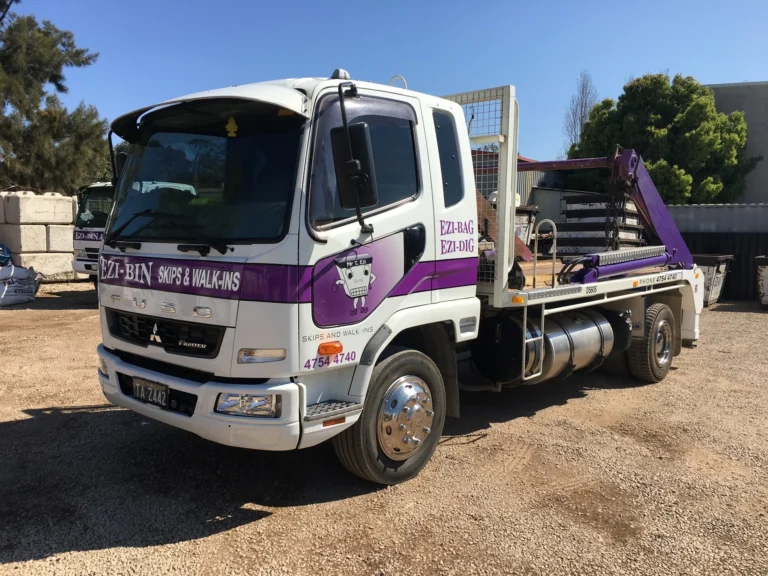
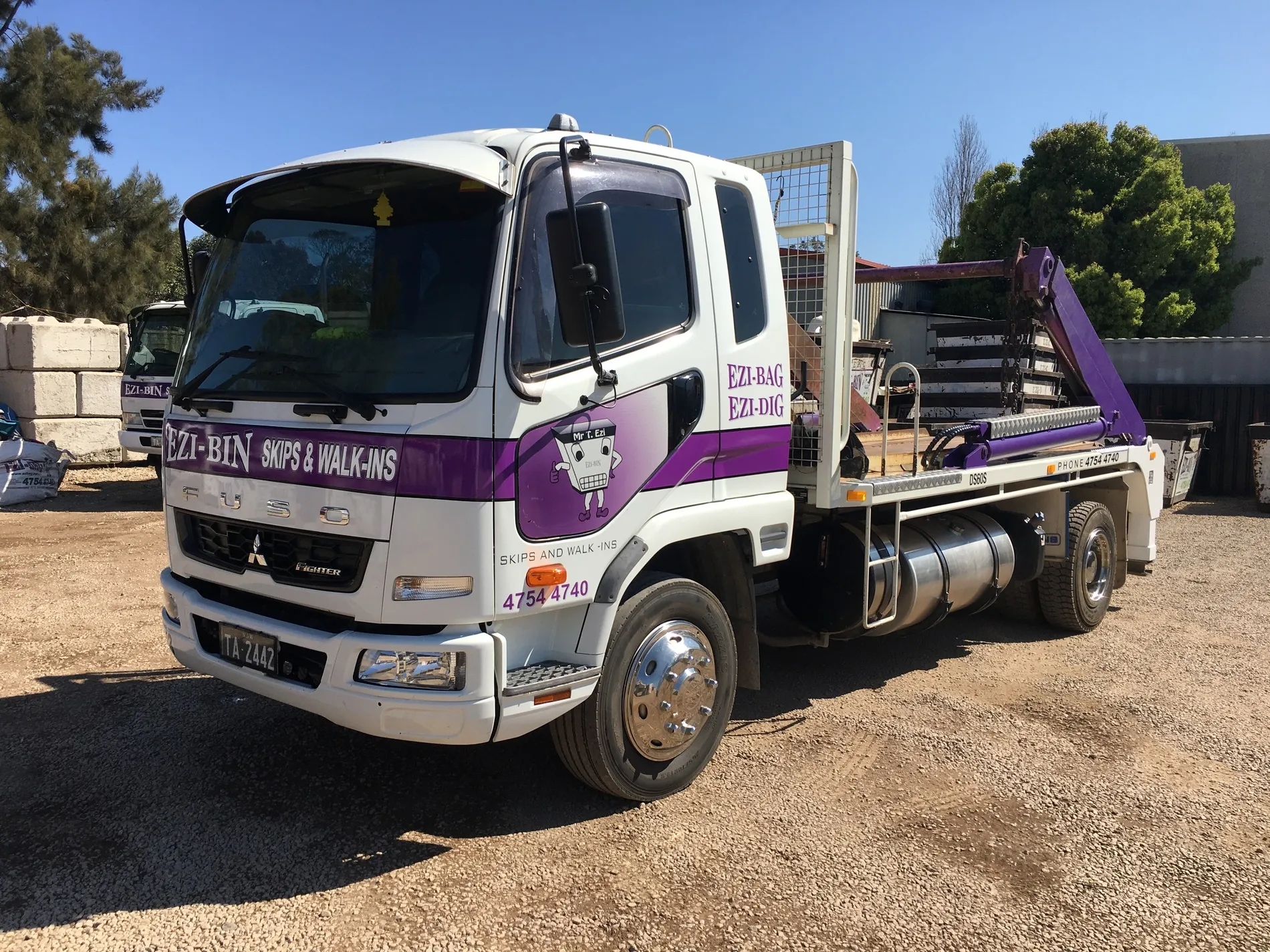
A skip bin is the sturdy steel container you have likely seen parked on various driveways and construction sites across your area. Available in an array of sizes, typically ranging from 2 cubic metres to over 10 cubic metres, these bins are delivered by a truck and are intended to be filled during a specified hire period before being collected once you are finished. Skip bins are specifically designed to accommodate heavier loads and larger volumes, making them particularly suitable for extensive projects.
If you are undertaking a renovation, construction project, or managing a significant volume of rubbish, selecting a skip bin is often the most practical choice. Their robust design and ample capacity enable them to handle a diverse array of materials, which can be especially beneficial in larger clean-up or construction efforts.
Skip bins excel in managing:
- Complete bathroom or kitchen renovations
- Construction and demolition waste management
- Large-scale property clean-outs, such as during a move or handling deceased estates
- Heavy materials like concrete, bricks, soil, and timber
- Roofing projects and extensive structural work
The trade-off: You will need to operate within a rental period, which typically spans from a few days to a week. Additionally, adequate space is required for the truck to deliver and collect the bin. Most standard driveways can accommodate this; however, if access is limited, it is wise to check before making a booking to ensure a hassle-free experience.
How Can You Effectively Compare Skip Bags and Skip Bins for Your Waste Management Project?
| Skip Bag | Skip Bin | |
| Size range | ~1–3 cubic metres | ~2–10+ cubic metres |
| Best for | Small to medium jobs | Medium to large jobs |
| Fill time | At your own pace | Within the hire period |
| Heavy waste | Limited — not suitable for concrete, bricks, soil | Yes — handles heavy materials |
| Access needed | Minimal — fits in tight spaces | Truck access required for drop-off and pickup |
| Cost | Lower starting price | Higher, but more capacity per dollar on larger jobs |
| Ideal user | DIYers, garden clean-ups, small renovations | Builders, large renovations, major clean-outs |
How Do You Determine Which Waste Disposal Option Best Meets Your Needs?
Set aside any marketing exaggerations and focus on these three critical questions:
1. What is the volume of waste you need to handle?
If your project involves cleaning out a single room, tidying up a garden, or removing a single small bathroom, a skip bag will likely be sufficient. However, if you are gutting a kitchen, tearing off a roof, or clearing out an entire property, a skip bin is essential. As a general guideline, if you believe the amount of waste will surpass what can fit in the back of a utility vehicle, you will most likely need a bin to effectively manage the disposal.
2. Are any of the materials particularly heavy?
This is a common misconception. Materials such as concrete, bricks, tiles, soil, and wet green waste can often be much heavier than they initially appear. Skip bags come with weight restrictions due to being lifted by a crane arm — exceeding these limits may lead to collection issues. If your waste includes heavy items, it is advisable to opt for a skip bin, as they are specifically designed to manage such materials without the risk of collection complications.
3. How much time do you anticipate needing?
If you are planning a weekend project and expect to have everything loaded by Sunday, a bin with a short hire period can be both efficient and cost-effective. Conversely, if your project spans several weeks, such as a gradual garage clean-out or a garden project you are tackling over weekends, a skip bag allows you to work at your own pace without the pressure of a ticking clock. This flexibility can significantly reduce stress while managing your project.
What Are the Expected Costs for Skip Bags and Skip Bins?
The cost of hiring either option varies based on the size, type of waste, and your geographical location. As a general guideline:
- Skip bags typically start at around $250 for a standard size, including delivery and collection
- Skip bins generally begin at approximately $350 for a smaller bin, with larger sizes available at proportionately higher prices
Bear in mind that while a skip bin may carry a higher initial cost, if you have a significant quantity of waste, the cost per cubic metre is often more economical than ordering multiple skip bags. Frequently, a single larger bin proves to be more cost-effective than two or three smaller bags, making it a smart choice for extensive clean-ups.
Rather than making assumptions, it is wise to contact Ezi for a direct quote tailored to your specific project — they can offer valuable guidance on the most appropriate option and provide a prompt price estimate suited to your requirements.
Can You Mix Different Types of Waste in Your Skip Bin or Bag?
In general, yes — most general waste bins and bags are designed to accept a combination of household rubbish, timber, metals, plastics, and garden waste. However, certain materials have specific restrictions:
- Asbestos — this requires specialised handling and cannot be included in a general skip.
- Chemicals, paint, and batteries — these are classified as hazardous waste and should not be placed in standard skip bags or bins.
- Soil and concrete — some providers offer specific “heavy waste” bins for these materials. Mixing them with general waste can quickly exceed weight limits, resulting in additional charges or complications.
If you are uncertain about what can and cannot be included, it is prudent to inquire during the booking process. A brief conversation can save you considerable hassle later on, ensuring a smoother waste disposal experience.
Do You Need a Permit for the Placement of Your Skip Bin or Bag?
If your skip bin or skip bag will be placed on your personal property (such as a driveway or front yard), you typically won’t need a permit. However, if it must be placed on the street, footpath, or any public land, most councils require a permit — it is your responsibility to arrange this before delivery to avoid potential fines or delays.
Contact your local council for clarification. It’s a quick phone call, and regulations can vary between different areas, so it’s crucial to be informed and compliant to prevent any complications.
Get Answers to Common Questions About Skip Bags and Skip Bins
What sets a skip bag apart from a skip bin?
The main differences revolve around size and capacity. Skip bags are smaller (generally around 1 to 3 cubic metres), lightweight, and designed for minor projects that you can fill according to your own schedule. Conversely, skip bins are larger steel containers ranging from 2 to over 10 cubic metres, intended for more extensive projects involving heavier waste. Both options are delivered and collected, but the most suitable choice depends on your specific waste volume and type, ensuring you select the most efficient solution for your situation.
Can I put heavy waste like concrete or bricks in a skip bag?
Skip bags have weight limits due to their crane arm lifting mechanism during collection. Small quantities of heavy materials might be permissible, but if you have a significant amount of concrete, bricks, tiles, or soil, you should consider a skip bin, as it is built to manage heavier loads without the risk of being too heavy for collection, which could complicate the process.
How long can I keep a skip bag before it is collected?
This is one of the major advantages of skip bags — you can fill them at your own pace without a fixed hire period like that of a skip bin. Once you have finished loading the bag, you simply arrange for collection, making them perfect for projects that may take place over several weeks or require gradual disposal, ensuring you have the time necessary to complete the task.
Is a skip bin or skip bag the more economical choice for my project?
Skip bags start with a lower initial price, but skip bins offer greater capacity. If you have a larger volume of waste, a single skip bin can often be more cost-effective than ordering multiple skip bags. The most economical option depends on the specifics of your project — it is advisable to contact Ezi for a tailored quote based on your actual needs to ensure you make the best choice.
What types of waste are prohibited from being placed in a skip bin or skip bag?
Hazardous materials, including asbestos, chemicals, paint, and batteries, cannot be included in standard skip containers. Furthermore, certain types of waste such as soil, concrete, and green waste may require dedicated bins depending on their volume. If there is any uncertainty, it is wise to clarify these details when making a booking. A quick conversation can help prevent complications during collection, ensuring a smooth process.
Do I need a permit for the placement of a skip bin or skip bag?
For placement on your own property, generally no permit is required. However, if the skip is intended for the street, footpath, or other public areas, a permit is usually necessary. Before making a booking, verify with your local council — regulations can differ by location, and sorting this out in advance helps to avoid delays and ensures compliance with local laws.
Need Professional Assistance in Choosing the Best Waste Disposal Method for Your Project?
That’s completely understandable — many individuals have not ordered a skip before, and visualising sizes can be quite challenging. Reach out to Ezi, explain your project details, and they will provide you with the guidance you need. There is no pressure and no hard-selling involved — just straightforward advice tailored to your specific needs, ensuring you make an informed and confident decision.
Original Article First Published At: Skip Bags vs Skip Bins — Which One Do You Actually Need?
The Article: Skip Bags vs Skip Bins: Which Is Right for You? first appeared on https://writebuff.com
The Article Skip Bags vs Skip Bins: Choosing the Best Option for You Was Found On https://limitsofstrategy.com