Understanding Cross Exchange Price Discrepancies for Strategic Trading Success
What are Cross Exchange Price Discrepancies?
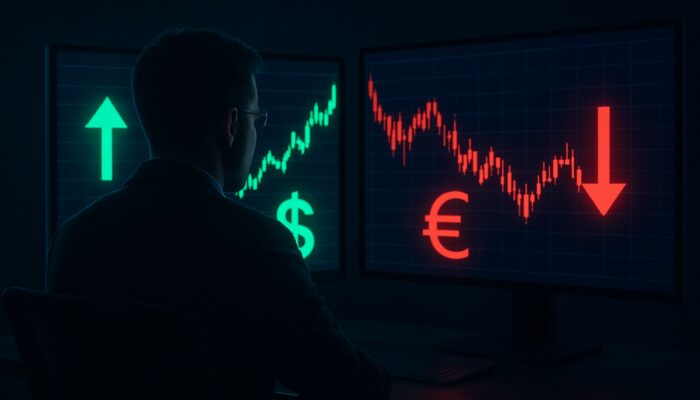
Cross exchange price discrepancies are the differences in the prices of assets listed on various trading platforms or exchanges. These variations can arise from multiple factors, such as market demand, liquidity, and trading volume. Grasping these discrepancies is crucial for traders and investors who wish to optimise their trading strategies and capitalise on profit opportunities in the financial markets.
Price discrepancies can have a substantial impact on trading decisions, creating numerous potential arbitrage opportunities. If a trader spots a lower price for an asset on one exchange compared to another, they can buy the asset at the lower price and sell it for a profit at the higher price. This approach is particularly common in global markets, where assets are traded across various platforms, fostering a dynamic environment for traders.
Cross exchange price discrepancies can deeply influence market efficiency. Noticeable differences may expose inefficiencies that astute traders can exploit. By recognising and acting on these variations, market participants can make informed decisions, promoting a more equitable pricing structure across different exchanges.
What Drives Price Discrepancies Across Exchanges?
The primary factors that drive cross exchange price discrepancies include supply and demand dynamics, trading volume, and market sentiment. Each exchange operates independently, leading to different pricing influenced by local market conditions. For instance, a sudden increase in demand on one exchange can push prices up there, while another exchange may not see the same surge, resulting in noticeable price differences.
Market participants actively shape these factors. Traders’ responses to news, economic indicators, and geopolitical events can trigger rapid price adjustments. When traders react to changing information, prices can diverge across exchanges, creating lucrative opportunities for those who diligently track these fluctuations.
Technological elements, such as execution latency and the range of order types offered across exchanges, also contribute to price discrepancies. A solid understanding of these mechanisms enables traders to pinpoint optimal moments for action, maximising their profit potential in a competitive environment.
Core Principles Influencing Cross Exchange Price Variations
The fundamental principles governing cross exchange price discrepancies revolve around market efficiency, arbitrage, and liquidity. Market efficiency suggests that all available information should be reflected in asset prices. When discrepancies occur, it indicates that not all markets are equally informed or responsive, resulting in price variations.
Arbitrage is vital in rectifying these discrepancies. Traders exploit price differences by buying an asset at a lower price on one exchange and selling it at a higher price on another. This activity not only aligns prices across exchanges but also strengthens the principle of market efficiency over time.
Liquidity plays a crucial role in cross exchange price discrepancies. Typically, higher liquidity leads to narrower price spreads and diminished price volatility, as numerous buyers and sellers engage in the market. Conversely, lower liquidity can heighten price differences, offering traders greater opportunities to exploit market inefficiencies.
Essential Factors Affecting Price Discrepancies

Numerous factors impact cross exchange price discrepancies, including market volatility, liquidity levels, regulatory influences, and trading hours. Market volatility can instigate rapid price changes, particularly during significant news events or economic announcements. This volatility presents opportunities for perceptive traders to identify and act on price differences swiftly.
Liquidity levels are critical as well. Exchanges characterised by high liquidity typically showcase price stability, while low liquidity can result in substantial price swings. Traders must remain acutely aware of these conditions to make informed decisions regarding their entry and exit strategies.
Regulatory influences can further shape cross exchange price discrepancies. Different jurisdictions may impose varied rules and regulations, affecting trading practices. A comprehensive understanding of these regulatory environments is essential for traders to navigate potential risks and seize opportunities across the global market landscape.
Expert Perspectives on Cross Exchange Price Discrepancies
What Mechanisms Underlie Price Differences?
Expert analysis reveals that the mechanisms behind cross exchange price discrepancies are intricate, involving various market dynamics. Traders must evaluate factors such as order flow, market depth, and participant behaviour when assessing these differences. For example, a sudden influx of buy orders on one exchange can drive prices up, while a lack of similar activity on another exchange can widen the gap.
Real-life scenarios illustrate these mechanisms in action. During periods of volatility, such as major economic announcements or geopolitical tensions, price discrepancies can significantly widen. Traders who closely monitor these shifts can leverage arbitrage opportunities, profiting from differences before they realign.
To effectively analyse cross exchange price discrepancies, traders can utilise various analytical tools and platforms that provide real-time data. By remaining updated on market conditions and employing sophisticated trading strategies, traders can enhance their understanding and responsiveness to price fluctuations across exchanges.
What Elements Influence Price Differences?

Understanding the elements that influence cross exchange price discrepancies requires an exploration of market behaviour and external factors. Key elements include trading volumes, market sentiment, and external news events. For instance, if a particular asset experiences a surge in demand due to positive news, it may lead to price increases on one exchange while remaining stable on others.
Traders can evaluate these elements by analysing historical price data alongside current market trends. By understanding how sentiment shifts in response to news, they can better predict potential price movements across exchanges. This knowledge not only aids in making informed trading decisions but also enhances overall market awareness and strategic planning.
Practical applications of this understanding include developing trading strategies that incorporate sentiment analysis and volume indicators. By leveraging these tools, traders can optimise their methods to effectively capitalise on cross exchange price discrepancies while minimising risks.
Advanced Techniques for Analysing Price Discrepancies
Advanced techniques for analysing cross exchange price discrepancies involve leveraging technology and data analytics. Traders can implement algorithmic trading systems to monitor price discrepancies in real-time, enabling rapid and efficient trade execution. These systems can process vast amounts of data, identifying patterns and trends that may not be immediately apparent to human traders.
Practical examples of tools used in this analysis include trading bots and market scanners. These technologies empower traders to automate their strategies, ensuring prompt action on emerging opportunities. For instance, a trading bot can be programmed to execute trades when specific price thresholds are met, maximising profit potential effectively.
Experts advise traders to continually refine their analytical techniques by staying updated on market developments and technological advancements. By blending traditional analysis with cutting-edge tools, they can enhance their ability to navigate cross exchange price discrepancies adeptly, ensuring they remain competitive in the market.
Evaluating the Impact of Price Discrepancies
Key Effects to Consider
Cross exchange price discrepancies can significantly impact trading outcomes, influencing both individual traders and the broader market landscape. One major effect is the potential for arbitrage opportunities, where traders can profit from price differences by buying low on one exchange and selling high on another. This practice not only benefits individual traders but also enhances the overall efficiency of the market.
Another important consequence of these discrepancies is the potential for increased volatility. When significant price differences exist, they can trigger rapid buying or selling activities as traders rush to exploit the gaps. This influx of trading activity can lead to further price fluctuations, impacting other market participants and potentially resulting in cascading effects that influence the entire market.
Cross exchange price discrepancies can also shape investor sentiment. When traders notice substantial variations, it may raise concerns about market inefficiencies or the reliability of certain exchanges, subsequently influencing trading behaviour and overall market confidence. Understanding these dynamics is essential for traders as they navigate the complexities of the market.
How Do These Effects Shape Trading Behaviour?
The effects of cross exchange price discrepancies manifest in various ways, influencing market behaviour and trader strategies. Key manifestations include increased trading activity, price volatility, and shifts in market sentiment. Traders often adjust their strategies in response to price discrepancies, leading to heightened trading volumes on exchanges with lower prices.
Monitoring these manifestations is crucial for traders seeking to capitalise on emerging opportunities. By observing trading volumes and price movements, they can identify patterns suggesting when price differences are likely to correct. This awareness enables them to position themselves strategically, optimising potential profits in a dynamic trading environment.
Key manifestations of cross exchange price discrepancies include:
- Increased trading volume on exchanges with lower prices.
- Heightened volatility as traders react to price discrepancies.
- Shifts in market sentiment based on perceived inefficiencies.
- Arbitrage opportunities arising from price gaps.
Understanding these manifestations equips traders with the insights necessary to navigate the complexities of cross exchange price discrepancies effectively, enhancing their trading strategies and outcomes.
Long-Term Effects of Price Discrepancies
The long-term effects of cross exchange price discrepancies can significantly influence market dynamics and shape trading strategies. One notable outcome is the potential for increased market efficiency over time. As traders exploit price discrepancies, they contribute to aligning prices across exchanges, fostering a more balanced trading environment.
Persistent cross exchange price discrepancies can lead to shifts in trading behaviours. Traders may become more vigilant in monitoring multiple exchanges and adopt strategies focused on identifying arbitrage opportunities. This evolution can create a more interconnected trading landscape, where participants are increasingly aware of global market conditions and price movements.
Lastly, ongoing price discrepancies may attract regulatory scrutiny. As variations persist, regulators might investigate potential market manipulation or inefficiencies. This increased oversight could prompt changes in trading practices and regulations, ultimately influencing how traders approach cross exchange price discrepancies in the future.
Proven Strategies for Navigating Cross Exchange Price Discrepancies
Effective Management Approaches
To successfully navigate cross exchange price discrepancies, traders can implement several practical strategies. A foundational approach is to establish a comprehensive monitoring system that tracks price movements across multiple exchanges in real-time. This capability allows traders to swiftly identify discrepancies and take action before they are corrected, maximising their trading opportunities.
Another effective management strategy involves diversifying trading platforms. By utilising multiple exchanges, traders can capitalise on varying price points and liquidity levels. This diversification not only enhances profit potential but also mitigates risks associated with relying on a single exchange for trading activities.
Traders should consider employing algorithmic trading strategies that automate their responses to price differences. By setting specific parameters for buying and selling, they can execute trades efficiently and minimise the impact of emotional biases on their decision-making processes, thereby enhancing their overall trading performance.
Addressing Common Challenges
Traders encounter several common challenges related to cross exchange price discrepancies. One significant hurdle is the risk of slippage, which occurs when the execution price deviates from the expected price due to market volatility. This phenomenon can erode profits and complicate trading strategies, particularly in fast-moving markets where swift actions are essential.
Another challenge stems from the varying fees and costs associated with trading on different exchanges. These fees can significantly affect overall profitability and must be carefully considered in any arbitrage strategy. Traders should conduct thorough research to understand the fee structures of each platform they utilise, ensuring their strategies remain viable.
Lastly, regulatory differences between exchanges can present challenges for traders. Some exchanges may impose stricter compliance requirements, affecting trade execution and overall strategy. Staying informed about these regulations is crucial for navigating potential pitfalls and ensuring smooth trading operations across various platforms.
Improving Related Trading Practices
Optimising practices related to cross exchange price discrepancies involves refining trading strategies and enhancing decision-making processes. One effective method is to conduct thorough market analysis, reviewing historical price trends and identifying patterns that may indicate future price movements. This analysis empowers traders to make informed decisions based on empirical data.
Traders can also benefit from developing clear trading plans that outline specific entry and exit points based on price discrepancies. By adhering to these plans, traders can minimise emotional decision-making and maintain a disciplined approach to trading, leading to better outcomes in their trading endeavours.
Utilising advanced analytical tools can further enhance traders’ abilities to identify and respond to cross exchange price discrepancies. By employing data visualisation and comprehensive market analysis software, traders can gain deeper insights into market dynamics and refine their strategies to optimise their trading performance.
Technological Tools for Monitoring Price Discrepancies
A variety of advanced tools and technologies are available for tracking cross exchange price discrepancies. These resources can enhance real-time data analysis, improve decision-making, and reduce potential errors in trading. One popular option is price alert systems, which notify traders when specific price thresholds are met across various exchanges, enabling timely responses to market shifts.
Another valuable technology is trading bots, which can automate trading strategies based on predefined criteria. These bots can execute trades swiftly, capitalising on price discrepancies before they close. This automation minimises reliance on manual trading, helping traders respond more effectively to rapid market changes.
Market analysis platforms provide comprehensive insights into trading volumes, price trends, and market sentiment. By utilising these resources, traders can make informed decisions and optimise their trading strategies to navigate cross exchange price discrepancies effectively, thereby enhancing their overall trading success.
Case Studies of Successful Arbitrage Strategies
In-depth case studies of successful arbitrage strategies involving cross exchange price discrepancies offer valuable insights for traders. One notable example is found in the cryptocurrency market, where traders frequently exploit price differences between exchanges. For instance, during periods of high volatility, a trader may purchase Bitcoin on a lesser-known exchange at a lower price and subsequently sell it on a more prominent exchange for profit.
Another case study highlights traditional stock markets, where traders successfully capitalised on price differences between regional exchanges. By closely monitoring price movements across exchanges operating in different time zones, they can identify opportunities to buy and sell based on local market conditions, enhancing their overall trading effectiveness.
Key takeaways from these case studies emphasise the importance of real-time monitoring, swift execution, and a robust understanding of market dynamics. Traders can apply these lessons to develop their arbitrage strategies, improving their ability to navigate cross exchange price discrepancies successfully and profitably.
What Causes Cross Exchange Price Discrepancies?
What Factors Influence Price Fluctuations?
Cross exchange price discrepancies arise from various factors, including supply and demand dynamics, market sentiment, and external economic influences. When demand for a specific asset surges on one exchange, prices may increase, while other exchanges may not experience the same rise, resulting in notable price discrepancies that traders can exploit.
Market sentiment also plays a critical role in these price fluctuations. Positive or negative news can significantly sway trader behaviour, often leading to rapid price changes across different exchanges. For example, favourable earnings reports can trigger increased buying activity on one exchange, resulting in higher prices compared to others that may not reflect the same enthusiasm.
Macroeconomic factors, such as interest rate adjustments or geopolitical events, can profoundly impact cross exchange prices. Traders must remain informed about these influences to comprehend the broader context of price discrepancies and adjust their strategies accordingly, ensuring they remain competitive in the market.
Why Do Price Discrepancies Persist Across Exchanges?
Price discrepancies persist across exchanges due to a combination of market inefficiencies, differing liquidity levels, and the decentralized nature of trading platforms. Market inefficiencies surface when not all participants have equal access to information or respond uniformly to market events, leading to pronounced price discrepancies that traders can capitalise on.
Differing liquidity levels among exchanges also contribute to ongoing variations. Some exchanges may experience higher trading volumes, resulting in more stable prices, while others may face lower liquidity, leading to larger price fluctuations. This disparity continuously provides opportunities for traders who are attentive to market dynamics.
The decentralized nature of trading means that each exchange operates independently. Price adjustments may occur at varying rates across platforms, allowing for sustained discrepancies. Traders who understand these dynamics can position themselves to effectively capitalise on these pricing disparities and enhance their trading performance.
How Can Traders Identify Early Indicators of Price Discrepancies?
Detecting early signs of emerging price discrepancies across exchanges requires diligent monitoring of key indicators and market trends. Traders can utilise technical analysis tools to identify patterns that may signal impending price changes. For instance, observing support and resistance levels can provide valuable insights into potential price movements that may unfold.
Tracking trading volumes is another effective strategy for traders to gauge market interest. A sudden increase in volume may indicate heightened demand for an asset on a specific exchange, hinting at a potential price shift. By remaining vigilant and proactive, traders can position themselves to capitalise on these early indicators, enhancing their potential returns.
Methods for monitoring emerging price discrepancies include establishing price alerts, utilising market analysis software, and following relevant news sources. By integrating these strategies, traders can significantly enhance their ability to detect early signs of price fluctuations and respond proactively to market changes.
What is the Impact of Economic Policies on Price Discrepancies?
Economic policies, including governmental and central bank decisions, significantly affect variations in cross exchange prices. For instance, changes in interest rates can influence currency values, leading to price discrepancies across foreign exchange markets. When a central bank raises interest rates, it may strengthen the national currency, subsequently impacting its price on various exchanges.
Fiscal measures, such as government spending or taxation policies, can also shape market conditions and asset prices. Traders need to stay informed about these policies and their potential impacts on market dynamics to make strategic decisions regarding cross exchange price discrepancies, ensuring they remain competitive in the evolving financial landscape.
Understanding the mechanisms behind these influences is crucial for traders aiming to navigate the complexities of cross exchange pricing. By analysing how economic policies interact with global markets, they can formulate strategies to mitigate risks and effectively capitalise on emerging opportunities.
Strategies for Minimising the Impacts of Price Discrepancies
Effective Practical Solutions
To effectively address cross exchange price discrepancies, traders can implement practical solutions focused on preventive measures. A key solution is to establish a comprehensive risk management strategy that outlines specific trading parameters. By defining clear guidelines for entry and exit points, traders can minimise the impact of price discrepancies on their overall portfolio, ensuring greater stability in their trading activities.
Traders should consider employing hedging techniques to offset potential losses. By taking opposing positions in related assets, they can protect themselves against unfavourable price movements. This approach allows traders to manage risks effectively while still capitalising on potential opportunities that arise in the market.
Ongoing education and training can equip traders with the knowledge necessary to navigate cross exchange price discrepancies adeptly. By staying informed about market trends, regulatory changes, and effective trading strategies, they can enhance their ability to respond promptly and effectively to price fluctuations, ensuring they remain competitive in the trading arena.
Strategies for Mitigating Impacts
Minimising the impacts of cross exchange price discrepancies necessitates the implementation of specific strategies and techniques. One effective method is to utilise algorithmic trading systems that can execute trades swiftly based on predefined criteria. By automating the trading process, traders can minimise the risk of slippage and ensure timely execution of their trades, thus enhancing their profit potential.
Another technique involves diversifying trading strategies across multiple exchanges. By distributing trades among various platforms, traders can reduce reliance on a single exchange, lessening their exposure to price discrepancies and enhancing overall stability in their trading activities.
Key techniques for impact reduction include:
- Implementing algorithmic trading for faster execution.
- Diversifying trading strategies across multiple exchanges.
- Utilising stop-loss orders to minimise potential losses.
- Conducting regular market analysis to identify trends and opportunities.
By incorporating these strategies, traders can effectively lessen the impacts of cross exchange price discrepancies and improve their overall trading performance, thereby enhancing their profitability in the market.
How to Maintain Balanced Trading Outcomes
Achieving balanced outcomes despite cross exchange price discrepancies necessitates ongoing vigilance and adaptability. Traders must consistently monitor market conditions and adjust their strategies as necessary. This proactive approach involves regularly reviewing trading plans and refining methodologies based on current market dynamics, ensuring they remain competitive.
Maintaining a diversified portfolio can also assist traders in achieving stability amidst price discrepancies. By investing in a broad range of assets across different exchanges, they can mitigate risks associated with individual price movements, promoting a more balanced trading outcome.
Lastly, fostering a culture of continuous learning and improvement is vital for sustaining balanced outcomes. Traders should stay updated on market developments, technological advancements, and best practices in trading. This commitment to ongoing education can significantly enhance their ability to navigate cross exchange price discrepancies effectively and succeed in their trading endeavours.
Real-World Applications and Case Studies
Examining practical case studies illustrates how entities have successfully mitigated cross exchange price discrepancies. One example involves a trading firm that implemented an advanced algorithmic trading strategy to identify and exploit price discrepancies in real-time. By automating their trading process, they efficiently capitalised on opportunities, demonstrating the effectiveness of technology in addressing market challenges.
Another case study features a cryptocurrency exchange that utilised sophisticated analytics to monitor price differences across various platforms. By leveraging this data, they were able to enhance liquidity on their exchange, thereby reducing the impact of price discrepancies and improving their competitive position in the market.
These case studies underscore the significance of technology and innovation in effectively addressing cross exchange price discrepancies. By adopting advanced tools and strategies, traders can enhance their ability to tackle these challenges and achieve favourable outcomes in their trading activities.
Frequently Asked Questions
What are cross exchange price discrepancies?
Cross exchange price discrepancies refer to differences in the price of the same asset across multiple trading platforms. These variations can arise from factors such as market demand, liquidity, and trading volume, all of which affect price stability between exchanges.
How do cross exchange price discrepancies create arbitrage opportunities?
Arbitrage opportunities occur when traders buy an asset at a lower price on one exchange and sell it at a higher price on another. This practice allows traders to profit from price discrepancies before they correct, enhancing overall market efficiency.
What factors influence cross exchange price discrepancies?
Factors affecting cross exchange price discrepancies include market volatility, liquidity levels, trading volumes, and regulatory impacts. These elements contribute to price fluctuations that traders can exploit for profit.
How can traders monitor cross exchange price discrepancies?
Traders can monitor cross exchange price discrepancies by utilising real-time data analysis tools, price alert systems, and comprehensive market analysis software. These resources help them quickly identify discrepancies and act upon them efficiently.
What common challenges do traders face with cross exchange price discrepancies?
Common challenges include slippage, varying fees across exchanges, and regulatory differences. Traders must navigate these obstacles to maximise their trading effectiveness and profitability in their operations.
How can traders reduce the impacts of price discrepancies?
Traders can mitigate impacts by utilising algorithmic trading systems, diversifying trading strategies across multiple exchanges, and implementing risk management techniques to protect their investments.
What role do economic policies play in cross exchange price discrepancies?
Economic policies, such as interest rate changes and fiscal measures, can influence asset prices across exchanges. Traders should remain informed about these policies to understand their potential effects and adjust their strategies accordingly.
What tools are available for tracking price discrepancies?
Tools for tracking price discrepancies include trading bots, market analysis platforms, and price alert systems. These technologies enhance real-time data analysis and decision-making for traders.
How can traders maintain balanced outcomes against price discrepancies?
Sustaining balanced outcomes requires ongoing market monitoring, portfolio diversification, and a commitment to continuous learning. Traders should adapt their strategies based on current conditions to achieve optimal trading performance.
Can you provide examples of successful arbitrage strategies?
Successful arbitrage strategies include exploiting price discrepancies in cryptocurrencies and regional stock markets. Traders can capitalise on varying prices by monitoring multiple exchanges and executing trades swiftly to maximise their profits.
Connect with us on Facebook today!
The Article Cross Exchange Price Differences: Essential Insights Revealed Was Found On https://limitsofstrategy.com
References:
Cross Exchange Price Differences: Essential Insights Revealed